
As the need for sustainable development grows, net-zero building standards explained has become a central topic for homeowners, builders, and policymakers. These standards define the criteria for buildings that produce as much energy as they consume over the course of a year, dramatically reducing carbon emissions and long-term energy costs. Understanding the requirements and benefits of these standards is crucial for anyone interested in sustainable construction or energy-efficient homes.
Whether you are planning to build a new home, retrofit an existing structure, or simply want to learn more about how buildings can achieve true energy balance, this guide will clarify the essential elements of net-zero certification. For those just starting out, the net-zero home construction guide for beginners offers a helpful introduction to the basics and first steps in this field.
What Does Net-Zero Mean in Building Design?
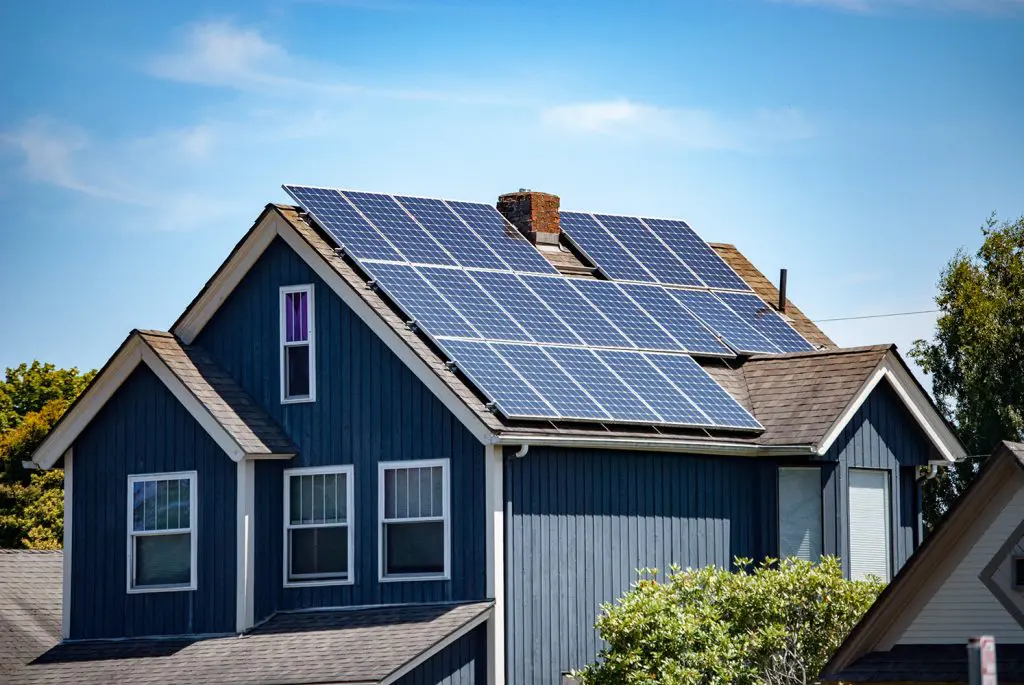
At its core, a net-zero building is designed to balance its annual energy consumption with renewable energy generation. This means that over a typical year, the building produces as much clean energy (usually on-site, such as with solar panels) as it uses for heating, cooling, lighting, appliances, and other needs. The goal is to minimize reliance on fossil fuels and reduce greenhouse gas emissions to zero on a net basis.
Net-zero standards can apply to residential homes, commercial buildings, schools, and even entire communities. Achieving this status requires a combination of advanced design, high-performance materials, efficient systems, and renewable energy integration.
Key Criteria for Net-Zero Building Certification
There are several recognized frameworks and organizations that set the benchmarks for net-zero buildings. While details may vary, most standards share common criteria:
- Energy Efficiency: The building envelope (walls, roof, windows, doors) must be highly insulated and airtight to minimize energy loss.
- Efficient Systems: Heating, ventilation, air conditioning (HVAC), lighting, and appliances must be selected for their low energy use.
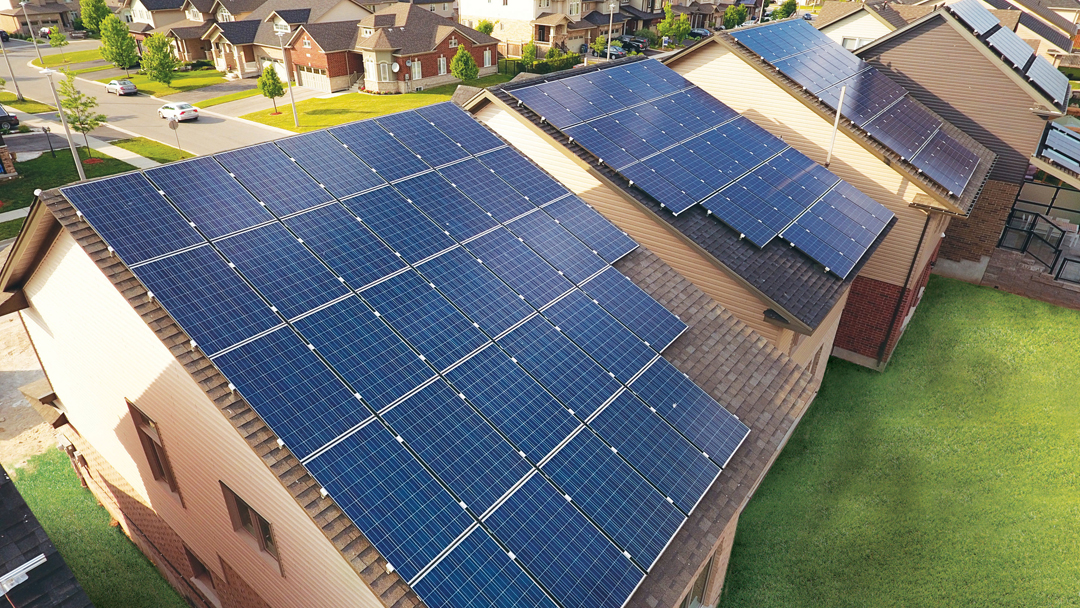
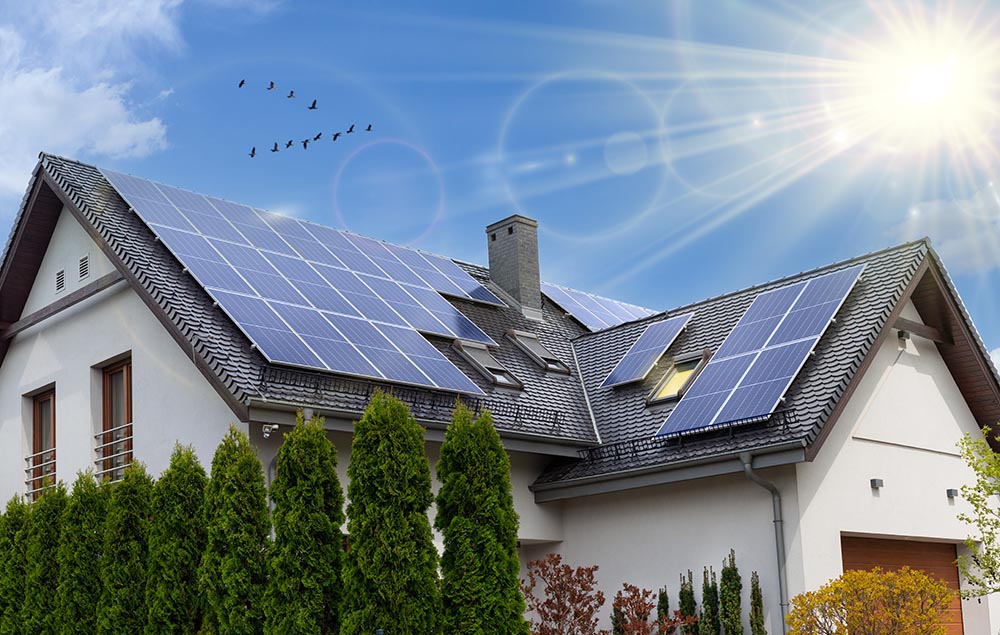
- Renewable Energy Generation: On-site systems such as solar photovoltaic (PV) panels or geothermal heat pumps are used to generate clean energy.
- Energy Monitoring: Ongoing measurement and verification ensure that the building maintains its net-zero status over time.
- Low Carbon Materials: Preference is given to construction materials with low embodied carbon and sustainable sourcing.
For a more detailed breakdown of how these principles are applied, the net-zero house design basics article explores essential design strategies for beginners.
How Net-Zero Standards Differ from Other Green Certifications
While there are many green building certifications—such as LEED, ENERGY STAR, and Passive House—net-zero standards are unique in their strict requirement for energy balance. Other certifications may focus on energy reduction, water conservation, or indoor air quality, but net-zero frameworks demand that the building’s total energy use is offset by renewable generation.
This distinction makes net-zero certification one of the most ambitious and impactful sustainability goals in the construction industry. It also means that achieving this status requires careful planning, precise execution, and ongoing performance tracking.
Steps to Achieve Net-Zero Performance
Reaching net-zero status involves a holistic approach to design, construction, and operation. Here are the key steps:
- Site Selection and Orientation: Choose a location and building orientation that maximize solar gain and minimize energy loss.
- Optimize the Building Envelope: Use high-performance insulation, windows, and air sealing to reduce heating and cooling demands.
- Install Efficient Systems: Select HVAC, water heating, and lighting systems with the highest efficiency ratings.
- Incorporate Renewable Energy: Size and install solar panels or other renewable systems to match the building’s projected annual energy use.
- Monitor and Adjust: Use energy monitoring tools to track performance and make adjustments as needed to maintain net-zero operation.
For a step-by-step overview of the process, see how to build a net-zero home for practical guidance on planning and execution.
Common Challenges and Solutions in Meeting Net-Zero Criteria
While the benefits of net-zero buildings are clear, there are challenges to achieving this standard. Upfront costs for high-performance materials and renewable systems can be significant, though these are often offset by long-term energy savings. In some climates, achieving true net-zero may require creative solutions such as advanced heat recovery, battery storage, or community solar partnerships.
Another challenge is ensuring that the building performs as designed. This is where energy monitoring tools and thermal imaging cameras can be invaluable, helping to identify leaks or inefficiencies that could compromise performance. For a deeper look at the practical aspects and lived experience of carbon-neutral living, see net-zero home construction explained.
Benefits of Adopting Net-Zero Standards
Buildings that meet net-zero criteria offer a range of advantages:
- Lower Energy Bills: By generating their own power, these buildings can dramatically reduce or even eliminate monthly utility costs.
- Reduced Carbon Footprint: Net-zero structures play a direct role in combating climate change by minimizing greenhouse gas emissions.
- Increased Comfort and Health: Superior insulation and ventilation improve indoor air quality and thermal comfort.
- Future-Proofing: As energy codes become stricter, net-zero buildings are already ahead of the curve, protecting owners from future regulatory changes and energy price spikes.
- Higher Resale Value: Sustainable features and low operating costs can make these properties more attractive in the real estate market.
For more on the lifestyle and financial benefits, this overview of net-zero homes provides additional insights from industry experts.
FAQ: Net-Zero Building Standards and Practical Considerations
What is the difference between net-zero energy and net-zero carbon?
Net-zero energy means a building produces as much renewable energy as it consumes over a year. Net-zero carbon goes a step further by ensuring that all energy used is carbon-free, often by offsetting any emissions with renewable energy credits or carbon removal strategies.
Are net-zero buildings more expensive to build?
Initial construction costs can be higher due to better insulation, high-performance windows, and renewable energy systems. However, these costs are typically offset by lower utility bills and potential incentives. Over time, net-zero buildings often prove more economical than conventional ones.
Can existing homes be retrofitted to meet net-zero standards?
Yes, many existing buildings can be upgraded to achieve net-zero performance. This usually involves improving insulation, upgrading HVAC systems, installing energy-efficient appliances, and adding renewable energy sources like solar panels. The process may be more complex than new construction but is increasingly common as technology advances.
How do I verify that a building is truly net-zero?
Verification typically involves third-party certification and ongoing energy monitoring. Organizations such as the International Living Future Institute and the U.S. Department of Energy offer certification programs that require detailed documentation and performance data to confirm net-zero status.
Conclusion
Understanding net-zero building standards explained is essential for anyone interested in sustainable construction and energy efficiency. By meeting rigorous criteria for energy use, renewable generation, and performance verification, these buildings set a new benchmark for environmental responsibility and long-term value. Whether you are building new, renovating, or simply exploring your options, the move toward net-zero is a practical and impactful step for the future of our built environment.
