
As the demand for sustainable living grows, homeowners are increasingly interested in the differences between net-zero homes and energy efficient homes. Both concepts aim to reduce environmental impact and lower utility costs, but they are not the same. Understanding what sets these two approaches apart is essential for anyone considering a greener lifestyle or planning a new build. This article breaks down the distinctions, benefits, and practical considerations of each, helping you make informed decisions about your home’s energy future.
Before diving into the specifics, it’s helpful to understand the broader context of sustainable construction. For a deeper look at the standards that define these approaches, see net-zero building standards explained.
What Is an Energy Efficient Home?
An energy efficient home is designed to minimize energy consumption through smart construction, insulation, appliances, and systems. The goal is to use as little energy as possible while maintaining comfort and functionality. These homes often feature:
- High-performance insulation and windows
- Efficient heating, ventilation, and air conditioning (HVAC) systems
- LED lighting and ENERGY STAR-rated appliances
- Air sealing to prevent drafts and heat loss
While these measures significantly reduce energy use, an energy efficient home may still rely on the grid for its power needs. The focus is on lowering consumption rather than completely offsetting it.
Defining Net-Zero Homes: Going Beyond Efficiency
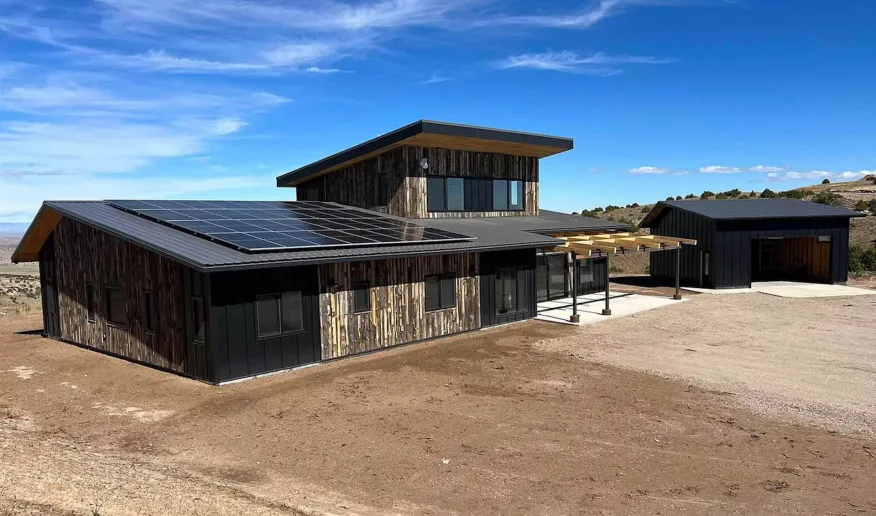
A net-zero home takes energy efficiency a step further. Not only does it incorporate all the features of an efficient house, but it also produces enough renewable energy—typically through solar panels or wind turbines—to offset its annual energy consumption. Over the course of a year, the total energy used by the home is balanced by the energy generated on-site, resulting in a net energy bill of zero.
Key characteristics of net-zero residences include:
- Extremely low energy demand due to advanced efficiency measures
- On-site renewable energy generation (most commonly solar power)
- Energy monitoring and smart controls
- Sometimes, battery storage for greater self-sufficiency
To learn more about the process of creating a carbon-neutral residence, check out how to build a net-zero home.
Comparing Net-Zero and Energy Efficient Homes: The Main Differences
While both types of homes aim to reduce energy usage, the distinction lies in their ultimate goals and strategies. Here’s a side-by-side comparison:
| Aspect | Energy Efficient Home | Net-Zero Home |
|---|---|---|
| Primary Goal | Reduce energy consumption | Eliminate net energy use |
| Energy Source | Mainly grid electricity, some renewables | On-site renewable generation (solar, wind) |
| Annual Energy Balance | Lower than average, but not zero | Zero (production equals consumption) |
| Cost Savings | Lower utility bills | Potentially no utility bills |
| Environmental Impact | Reduced carbon footprint | Minimal or neutral carbon footprint |
| Complexity | Lower (mainly upgrades and efficient appliances) | Higher (requires renewables and advanced design) |
For a comprehensive definition of net-zero construction, see what is net-zero home construction.
Key Features of Energy Efficient Homes
Homes focused on efficiency typically include:
- Insulation and Air Sealing: Proper insulation in walls, roofs, and floors, along with effective air sealing, reduces heating and cooling needs.
- Efficient Windows and Doors: Double or triple-pane windows and insulated doors help maintain indoor temperatures.
- Smart Thermostats: Automated controls optimize energy use based on occupancy and preferences.
- Efficient Appliances: ENERGY STAR-rated refrigerators, washers, and HVAC systems use less electricity and water.
- LED Lighting: Modern lighting solutions consume a fraction of the energy of traditional bulbs.
These upgrades are often more affordable and easier to implement than the full suite of measures required for net-zero status.
What Sets Net-Zero Residences Apart?
Net-zero properties incorporate all the features of efficient homes, but add:
- On-Site Renewable Energy: Solar panels are the most common, but wind turbines or geothermal systems may also be used.
- Energy Monitoring: Real-time tracking helps homeowners adjust usage and maximize efficiency.
- Battery Storage: Some homes include batteries to store excess energy for use at night or during outages.
- Advanced Building Envelope: Superior insulation, air sealing, and window performance reduce the total energy needed.
Achieving net-zero requires careful planning, often starting from the design phase. For those interested in the benefits, see benefits of net-zero home construction.
Cost Considerations and Return on Investment
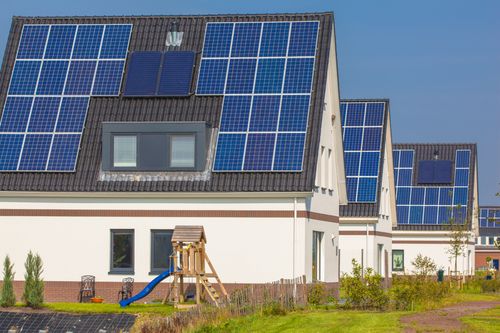
Upgrading to an energy efficient home is generally less expensive than building or retrofitting for net-zero. Simple improvements like better insulation, window replacements, and efficient appliances can yield quick returns through lower utility bills. In contrast, net-zero homes require a larger upfront investment due to the cost of renewable energy systems and advanced materials.
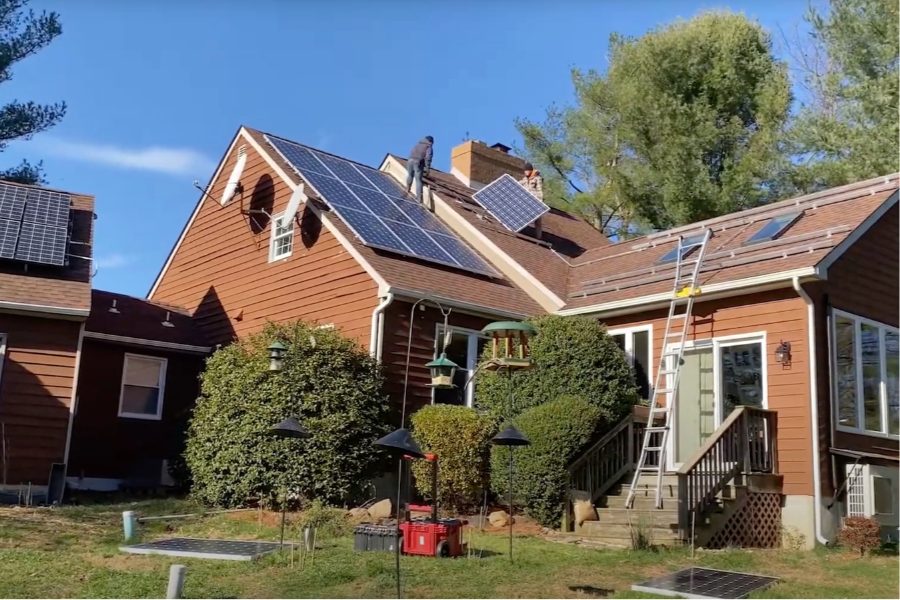
However, the long-term savings of a net-zero property can be substantial. With little or no energy bills, homeowners may recoup their investment over time. Additionally, incentives and rebates for solar installations can help offset initial costs. For a practical guide to transitioning your home to net-zero, see how to make your home net zero.
Which Option Is Right for You?
Choosing between an energy efficient home and a net-zero residence depends on your goals, budget, and location. If you want to reduce your carbon footprint and save on energy costs without major renovations, focusing on efficiency upgrades is a practical first step. For those committed to eliminating their home’s environmental impact, investing in net-zero design and renewable energy systems is the way forward.
It’s also possible to take a phased approach: start with efficiency improvements and add renewable energy systems over time as technology advances and costs decrease.
FAQ
Can an existing home become net-zero?
Yes, many existing homes can be retrofitted to achieve net-zero status. This typically involves maximizing energy efficiency first, then adding renewable energy systems such as solar panels. The process can be complex, but it is increasingly common as technology improves and incentives become available.
Is a net-zero home always more expensive than an energy efficient home?
Net-zero homes generally require a higher initial investment due to the cost of renewable energy systems and advanced building materials. However, the long-term savings on energy bills and potential incentives can offset these costs over time. Energy efficient homes are often more affordable upfront, making them accessible to more homeowners.
What are the main benefits of each approach?
Energy efficient homes offer immediate reductions in energy use and utility bills, with relatively simple upgrades. Net-zero homes deliver the ultimate in sustainability, eliminating net energy consumption and minimizing environmental impact. Both approaches increase comfort, reduce operating costs, and add value to your property.
