
Speeding up the drying process after cleaning your carpets is essential for preventing mold, mildew, and lingering odors. Whether you’re using a professional service or tackling the job yourself, understanding the factors that influence how quickly your carpet dries can help you achieve better results and get your space back to normal sooner. This guide covers practical carpet cleaner drying time tips, the science behind moisture removal, and actionable steps to reduce wait time after a deep clean.
If you’re also dealing with pet fur, you might find these pet hair removal from carpet indoor hygiene tips helpful for maintaining a cleaner home between deep cleans.

Understanding What Affects Carpet Drying Time
Several factors determine how long it takes for carpets to dry after cleaning. The type of carpet, cleaning method, humidity, airflow, and even the weather outside all play a role. Knowing these variables can help you make informed choices and apply the right carpet cleaner drying time tips for your situation.
- Carpet Material: Wool and thicker pile carpets retain more moisture than synthetic or low-pile options.
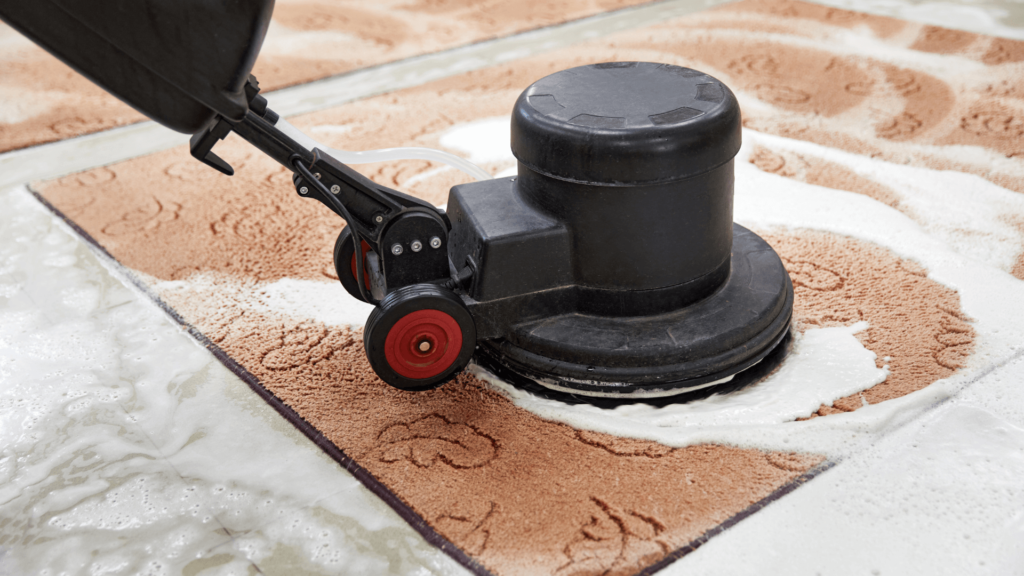
- Cleaning Method: Steam cleaning (hot water extraction) usually leaves more moisture than dry or low-moisture methods.
- Room Conditions: High humidity and poor ventilation slow down evaporation, while dry, breezy conditions speed it up.
- Equipment Used: Professional machines often extract more water than rental or home units, but some leave carpets wetter initially.
Best Practices for Faster Carpet Drying
To minimize downtime and reduce the risk of dampness, follow these proven strategies for quick carpet drying:
Maximize Airflow and Ventilation
Open windows and doors to allow fresh air to circulate. Use fans to direct airflow across the carpet’s surface, focusing on areas that feel the dampest. Ceiling fans, box fans, or oscillating fans all help move air and accelerate evaporation.
Use Dehumidifiers for Moisture Control
In humid climates or during rainy weather, a dehumidifier can make a significant difference. By pulling moisture out of the air, these devices help carpets dry faster and prevent musty smells. Place the dehumidifier in the center of the room for best results.
Blot Excess Water Immediately
After cleaning, use clean, dry towels to blot and absorb as much moisture as possible. Press down firmly on damp areas, replacing towels as they become saturated. This simple step can shave hours off the drying process.
Adjust Room Temperature
Warm air holds more moisture and speeds up evaporation. If possible, turn up the heat slightly or use a space heater (safely, and only if you can monitor it) to create a warmer environment. Avoid overheating, which can damage carpet fibers.
Choosing the Right Cleaning Method for Quicker Drying
Not all carpet cleaning techniques leave the same amount of moisture behind. Here’s a quick comparison:
- Hot Water Extraction: Deep cleans but usually takes 6–12 hours to dry.
- Dry Cleaning (Encapsulation): Uses minimal moisture, often dries in under 2 hours.
- Bonnet Cleaning: Surface-level method, dries in 1–3 hours.
- Shampooing: Can leave carpets quite wet; drying may take 8–24 hours.
If you need your space ready quickly, consider low-moisture or dry cleaning options. For more details on different techniques, check out this comprehensive guide to carpet cleaning methods.
Common Mistakes That Slow Down Drying
Even with the best intentions, certain habits can unintentionally extend drying times. Avoid these pitfalls:
- Leaving furniture on wet carpet, which traps moisture underneath.
- Walking on damp carpet, pushing water deeper into the fibers.
- Skipping the final extraction pass with your machine.
- Neglecting to ventilate the room or use fans.
Extra Tips for Maintaining Dry, Fresh Carpets
Keeping your carpets dry and clean doesn’t end after the initial cleaning. Here are a few ongoing strategies:
- Vacuum regularly to prevent dirt buildup that can trap moisture.
- Address spills immediately to avoid deep saturation.
- Use entry mats to reduce the amount of dirt and moisture tracked inside.
- Consider a routine for pet hair removal from carpet fast cleaning tips if you have furry family members.
Frequently Asked Questions
How Long Does It Usually Take for Carpets to Dry After Cleaning?
Drying time depends on the cleaning method, carpet type, and environmental conditions. Steam-cleaned carpets may take 6–12 hours, while low-moisture methods can dry in 1–3 hours. Using fans, dehumidifiers, and proper ventilation can significantly reduce this time.
Can I Walk on the Carpet Before It’s Fully Dry?
It’s best to avoid walking on damp carpet, as this can push moisture deeper and cause matting. If you must walk on it, wear clean socks or shoe covers and limit traffic until the carpet is completely dry.
What Should I Do If My Carpet Smells Musty After Cleaning?
A musty odor usually means the carpet hasn’t dried thoroughly. Increase airflow, use a dehumidifier, and consider sprinkling baking soda on the area once it’s dry, then vacuuming. If the smell persists, consult a professional to check for mold or mildew.
Are There Ways to Prevent Carpets From Getting Too Wet During Cleaning?
Yes, use less water when possible, make extra extraction passes, and choose low-moisture cleaning methods. Test your machine’s settings on a small area first to avoid over-wetting.
Conclusion
By applying these carpet cleaner drying time tips and understanding what influences moisture removal, you can enjoy cleaner, fresher floors with minimal disruption. Remember to maximize airflow, use the right equipment, and avoid common mistakes for the best results. For more on keeping your home spotless, explore additional resources like pet hair removal from carpet without damaging fibers and related guides.
