
Keeping carpets clean is important for a healthy home, but many traditional cleaning solutions contain harsh chemicals that can linger in the air and fibers. For families with children, pets, or anyone sensitive to chemicals, finding non toxic carpet cleaners is a top priority. These safer alternatives not only help maintain indoor air quality but also reduce the risk of allergic reactions and environmental harm.
This article explores the benefits of using gentle cleaning products, how to choose the right options, and what to expect from both store-bought and homemade solutions. We’ll also share practical tips for effective carpet care and point you to additional resources, including guides on pet hair removal from carpet indoor hygiene tips for a comprehensive approach to a cleaner home.
Why Choose Safer Carpet Cleaning Solutions?
Many conventional carpet shampoos and sprays rely on strong solvents, fragrances, and detergents. While these can remove stains, they often leave behind residues that may irritate skin, trigger asthma, or affect pets. Non toxic carpet cleaners use plant-based ingredients, natural enzymes, or mineral-based formulas to break down dirt and stains without introducing harmful substances into your living space.
Choosing safer options helps protect vulnerable family members and reduces your home’s environmental footprint. These products are also less likely to cause fading or damage to carpet fibers, making them suitable for regular maintenance.
Types of Non Toxic Carpet Cleaners
There are several categories of gentle carpet cleaning products available today. Understanding the differences can help you pick the best fit for your needs.
- Plant-Based Cleaners: These use extracts from citrus, coconut, or corn to dissolve stains and lift dirt. They’re biodegradable and generally free from synthetic fragrances or dyes.
- Enzyme-Based Formulas: Enzymes naturally break down organic matter, making them effective for pet accidents and food spills. They’re safe for most carpet types and leave minimal residue.
- Mineral-Based Solutions: Ingredients like baking soda or washing soda absorb odors and help with gentle scrubbing. These are often found in powder or spray form.
- DIY Options: Simple mixtures of vinegar, water, and baking soda can be used for spot cleaning and deodorizing. These are cost-effective and easy to prepare at home.
How to Identify Truly Non Toxic Carpet Cleaners
With so many products on the market, it’s important to know how to spot genuinely safe choices. Here are a few tips for evaluating labels and claims:
- Check for Certifications: Look for third-party seals such as Green Seal, EPA Safer Choice, or EcoLogo, which indicate independent testing for safety and environmental impact.
- Read the Ingredient List: Avoid products with ammonia, chlorine bleach, synthetic fragrances, or “mystery” ingredients. The best options list all components clearly.
- Fragrance-Free or Naturally Scented: If you prefer a scent, opt for products using essential oils rather than artificial perfumes.
- Minimal Packaging: Eco-friendly brands often use recyclable or refillable bottles to reduce waste.
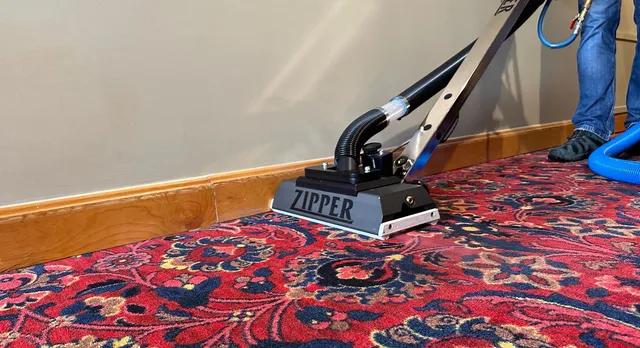
For more on what professionals use and how to compare products, see this guide to carpet cleaners used by professionals.
Homemade Carpet Cleaning Solutions
Many households prefer to make their own gentle cleaners using common pantry items. Here are a few simple recipes:
- Vinegar & Water: Mix equal parts white vinegar and water in a spray bottle. Lightly mist stains, let sit for 5–10 minutes, then blot with a clean cloth.
- Baking Soda Deodorizer: Sprinkle baking soda over the carpet, let it sit for 15–30 minutes, then vacuum thoroughly.
- Lemon Juice Spot Cleaner: Combine lemon juice with a small amount of salt for a natural stain remover. Test on a hidden area first to avoid discoloration.
These homemade options are affordable and avoid unnecessary additives. However, always test a small area before treating the entire carpet, especially with natural acids like vinegar or lemon juice.
Tips for Effective and Safe Carpet Care
Using gentle cleaning products is just one part of maintaining healthy carpets. Here are some additional tips to keep your floors fresh:
- Vacuum Regularly: Frequent vacuuming removes dust, pet hair, and allergens before they settle deep into fibers.
- Spot Clean Promptly: Address spills and stains as soon as possible to prevent them from setting.
- Use Entry Mats: Placing mats at entrances reduces the amount of dirt tracked onto carpets.
- Deep Clean Periodically: Even with non toxic products, schedule a thorough cleaning every 6–12 months for best results.
- Pet Owners: For more targeted advice, see our tips on pet hair removal from carpet fast cleaning tips and pet hair removal from carpet without damaging fibers.
Comparing Store-Bought and DIY Non Toxic Carpet Cleaners
Both commercial and homemade options have their advantages. Store-bought products are convenient, often come with certifications, and may be formulated for specific stains or carpet types. DIY solutions give you full control over ingredients and are usually more budget-friendly.
| Option | Pros | Cons |
|---|---|---|
| Store-Bought | Convenient, tested formulas, certifications available | May be more expensive, packaging waste |
| DIY | Customizable, low cost, minimal packaging | Requires preparation, may not suit all stains |
Frequently Asked Questions
Are non toxic carpet cleaners as effective as traditional ones?
Many gentle formulas work just as well as conventional products, especially for everyday dirt and common stains. For tough or set-in stains, enzyme-based or plant-derived cleaners can be very effective. However, results may vary depending on the type of carpet and stain.
Can I use homemade solutions on all carpet types?
Most natural mixtures are safe for synthetic and wool carpets, but it’s always best to test a small, hidden area first. Avoid soaking carpets and use minimal moisture to prevent mold or mildew growth.
How often should I clean my carpets with non toxic products?
For general maintenance, vacuum weekly and spot clean as needed. A deep clean with a gentle solution every 6–12 months helps keep carpets fresh and extends their lifespan.
What’s the best way to remove pet hair before cleaning?
Use a vacuum with a HEPA filter or a rubber squeegee to lift hair from the fibers. For more detailed guidance, check out our article on pet hair removal from carpet using pulling motion or see our pet hair removal routine for busy pet owners.
Conclusion
Switching to non toxic carpet cleaners is a practical step toward a healthier, safer home. Whether you choose a certified commercial product or make your own, these solutions help protect your family, pets, and the environment. Remember to read labels, test new products on a small area, and maintain a regular cleaning routine for best results. With the right approach, you can enjoy clean, fresh carpets without compromising on safety or sustainability.
