
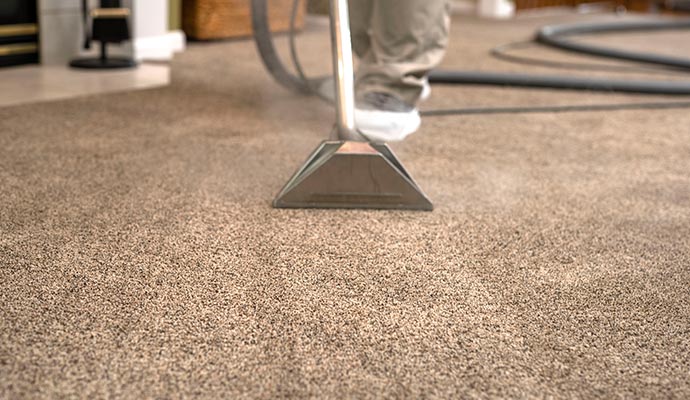
Understanding carpet cleaner energy consumption is important for anyone looking to keep their home clean while also managing electricity costs. Whether you own a machine, rent one, or hire professionals, the amount of power these devices use can impact both your utility bill and your environmental footprint. This article breaks down what influences energy use, how different types of carpet cleaners compare, and practical steps you can take to minimize consumption without sacrificing cleaning performance.
If you’re also concerned about noise levels, you might find the guide on carpet cleaner noise levels explained helpful for making a well-rounded decision about your next cleaning session.
What Determines How Much Energy a Carpet Cleaner Uses?
Several factors affect how much electricity a carpet cleaning machine will draw during use. The most significant are:
- Motor Power: Machines with more powerful motors (measured in watts or amps) generally use more energy but may clean faster or more deeply.
- Heater Elements: Some models heat water for better stain removal, increasing overall energy requirements.
- Size and Type: Full-size upright cleaners tend to consume more power than portable or handheld units.
- Usage Time: The longer the machine runs, the more electricity it uses. Deep cleaning large areas will naturally require more energy.
- Efficiency Features: Newer models may have eco-modes or energy-saving settings to reduce consumption.
Comparing Energy Use: Upright, Portable, and Professional Machines
The type of carpet cleaner you choose has a direct impact on energy consumption. Here’s how the main categories compare:
Upright Home Carpet Cleaners
Most upright models for home use have motors ranging from 600 to 1,200 watts. If you run a 1,000-watt machine for one hour, it will use 1 kilowatt-hour (kWh) of electricity. For context, the average U.S. household pays about 15 cents per kWh, so a typical cleaning session costs less than 25 cents in electricity.
Portable and Spot Cleaners
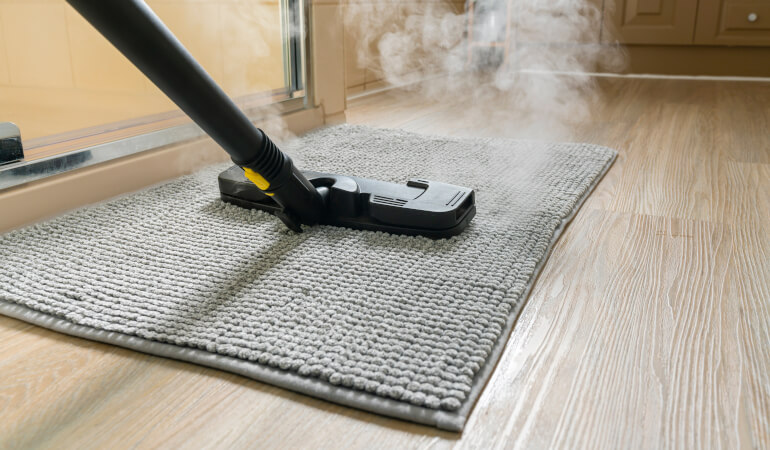
Portable units are designed for smaller messes and quick cleanups. Their motors usually draw between 300 and 600 watts, making them more energy-efficient for spot treatments or upholstery cleaning.
Professional and Rental Carpet Cleaners
Commercial-grade machines, including those you rent from hardware stores, often have motors rated at 1,200–2,000 watts or more. These units are designed for speed and deep cleaning, so they consume more energy per hour but may finish large jobs faster. If you’re weighing the costs of renting versus buying, see this comparison on renting vs buying a carpet cleaner for a full breakdown.
Estimating Your Carpet Cleaner’s Electricity Use
To estimate how much energy your cleaning session will use, check the wattage label on your machine. Here’s a simple formula:
- Wattage × Hours Used ÷ 1,000 = kWh
For example, a 900-watt cleaner used for 1.5 hours: 900 × 1.5 ÷ 1,000 = 1.35 kWh. At 15 cents per kWh, that’s about 20 cents per session.
How Carpet Cleaner Energy Consumption Compares to Other Appliances
In terms of household energy use, carpet cleaners are moderate consumers. For comparison:
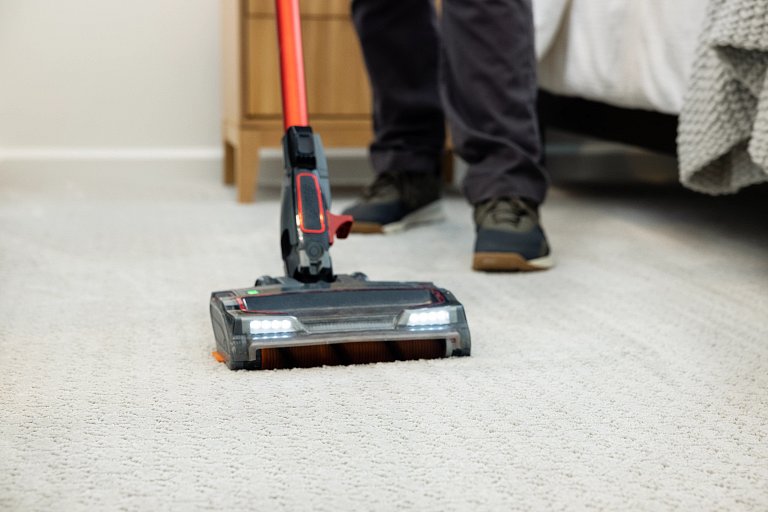
- Vacuum Cleaner: 500–1,200 watts
- Washing Machine: 500–1,500 watts (per cycle)
- Microwave: 800–1,200 watts
- Hair Dryer: 1,000–1,800 watts
Because carpet cleaning is usually done infrequently, the annual impact on your electricity bill is relatively low compared to daily-use appliances.
Ways to Reduce Energy Use When Cleaning Carpets
If you want to minimize your carpet cleaner energy consumption without sacrificing results, consider these tips:
- Vacuum First: Removing loose dirt before using the cleaner reduces the number of passes needed.
- Spot Treat Stains: Use a portable unit or spot cleaner for small messes instead of running a full-size machine.
- Use Efficient Settings: Many modern machines have eco-modes or adjustable settings to lower power use.
- Clean in Batches: Plan to clean several rooms in one session to avoid multiple warm-up cycles.
- Maintain Your Machine: Clean filters and brushes regularly to keep the motor running efficiently. If you notice issues like streaks, see this advice on carpet cleaner leaving streaks for troubleshooting.
Other Factors That Influence Power Usage
Beyond the machine itself, a few other variables can affect overall energy use:
- Carpet Thickness: Thicker or high-pile carpets may require more passes and thus more power.
- Water Temperature: Using hot water (especially if heated by the machine) increases energy draw.
- Frequency of Cleaning: Households with pets, allergies, or high traffic may clean more often, raising total annual consumption.
- Machine Age: Older machines may be less efficient than newer, ENERGY STAR-rated models.
Professional Cleaning Services and Energy Use
If you hire a professional service, their equipment is usually more powerful and may use more energy per hour. However, pros are efficient and often finish jobs quickly, which can offset the higher wattage. For a deeper understanding of what goes into the process, see this overview of professional carpet cleaning methods.
FAQs About Carpet Cleaner Power Consumption
How much does it cost to run a carpet cleaner?
For most home machines, a typical cleaning session uses between 0.5 and 2 kWh of electricity, costing between 8 and 30 cents depending on your local rates and the size of the area cleaned.
Are portable carpet cleaners more energy efficient?
Yes, portable and spot cleaners generally use less power than full-size upright or professional machines. They are ideal for small jobs and quick cleanups, helping you save energy and money.
Does using hot water increase energy use?
Absolutely. If your machine heats water internally, it will draw additional power. Using pre-heated tap water instead of relying on the machine’s heater can help reduce total energy consumption.
How can I tell if my carpet cleaner is energy efficient?
Look for energy-saving features such as eco-modes, adjustable settings, or ENERGY STAR certification. Regular maintenance, like cleaning filters and brushes, also helps maintain efficiency.
Conclusion
While carpet cleaner energy consumption varies by machine type, usage habits, and cleaning frequency, most households will find the impact on their electricity bill to be modest. By choosing the right equipment, using efficient cleaning practices, and maintaining your machine, you can keep your carpets fresh without unnecessary energy waste. For more troubleshooting tips, such as dealing with suction loss, see this guide on how to fix carpet cleaner suction loss. Making informed choices helps you balance cleanliness, cost, and sustainability in your home.
