
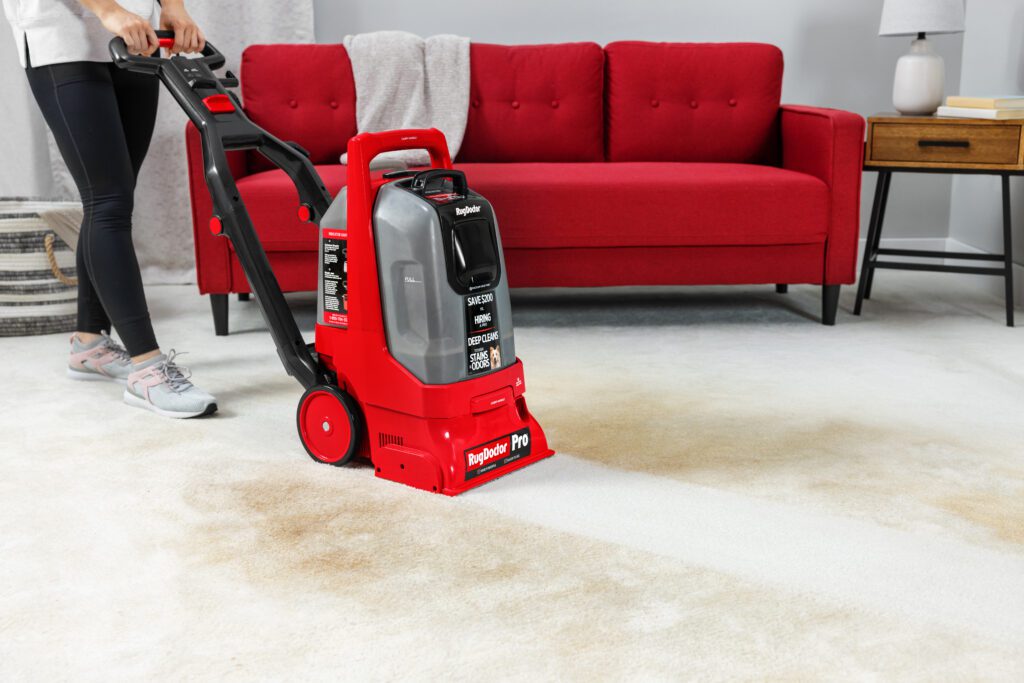
Upholstered furniture faces daily wear and tear, from accidental spills to dust and pet hair. Keeping these fabrics clean not only improves appearance but also extends their lifespan and maintains a healthier home environment. Many people wonder if a carpet cleaner for upholstery is the right tool for the job, especially when dealing with delicate materials or stubborn stains.
This guide explores how to safely use carpet cleaning machines and solutions on sofas, chairs, and other fabric surfaces. You’ll find practical advice on choosing the right equipment, understanding cleaning methods, and protecting your furniture. For those interested in cleaning other tricky areas, such as steps or recreational vehicles, you may also want to check out our resource on carpet cleaner for stairs for more targeted advice.
Why Use a Carpet Cleaner on Upholstered Furniture?
Many modern carpet cleaning machines come with attachments or settings specifically designed for fabric surfaces. Using a carpet cleaner for upholstery can be more effective than manual scrubbing, as these machines inject cleaning solution deep into fibers and extract dirt, allergens, and moisture efficiently. This method helps remove stains, odors, and dust mites that can accumulate over time.
Unlike traditional spot cleaning, machine-based cleaning covers larger areas quickly and reduces the risk of over-wetting, which can lead to mold or fabric damage. When used correctly, these devices offer a safe and thorough way to refresh sofas, recliners, and even car interiors.
Choosing the Right Machine and Solution
Not all carpet cleaners are suitable for every type of upholstery. It’s important to select a model with an upholstery tool or handheld wand, which allows for precise control and gentler cleaning. Portable units are especially popular for furniture because they’re lightweight and easy to maneuver.
When selecting a cleaning solution, look for products labeled as safe for upholstery or multi-surface use. Avoid harsh chemicals or bleach-based formulas, as these can damage delicate fabrics or cause discoloration. Always test any cleaner on a hidden area first to check for colorfastness.
Safe Cleaning Steps for Fabric Surfaces
To get the best results and avoid damaging your furniture, follow these steps when using a carpet cleaning machine on upholstery:
- Check the care label: Most furniture has a tag with cleaning codes (W, S, WS, X). Only use water-based cleaners on fabrics marked with a “W” or “WS”.
- Vacuum thoroughly: Remove loose dirt, crumbs, and pet hair before applying any moisture.
- Pre-treat stains: Apply an upholstery-safe stain remover to spots and let it sit for a few minutes.
- Use the right attachment: Attach the upholstery tool to your machine. Spray a small area with cleaning solution, then gently agitate and extract.
- Work in sections: Clean one cushion or panel at a time to avoid over-wetting.
- Allow to dry: Open windows or use fans to speed up drying. Avoid using the furniture until it is completely dry.
For more on how these machines operate, see this detailed explanation of how carpet cleaners work.
Common Mistakes to Avoid
Even with the right equipment, mistakes can happen. Here are some pitfalls to watch out for when cleaning upholstery with a carpet cleaner:
- Over-saturating the fabric: Too much moisture can cause water stains, shrinkage, or mold growth.
- Using the wrong cleaner: Harsh chemicals may damage fibers or strip color.
- Skipping the patch test: Always test in an inconspicuous area before treating the entire surface.
- Not extracting enough water: Failing to remove excess moisture can lead to lingering odors.
Benefits of Regular Upholstery Cleaning
Regularly using a carpet cleaner for furniture fabrics offers several advantages:
- Improved air quality: Removing dust, pollen, and allergens helps those with sensitivities breathe easier.
- Longer-lasting furniture: Clean fabrics resist wear and look newer for longer.
- Odor removal: Deep cleaning eliminates pet smells, smoke, and food odors.
- Enhanced appearance: Colors and patterns look brighter and more inviting.

Tips for Different Types of Upholstery Fabrics
Not all fabrics respond the same way to moisture or cleaning solutions. Here are some quick guidelines for common upholstery materials:
| Fabric Type | Best Cleaning Approach |
|---|---|
| Microfiber | Water-based cleaners and gentle agitation work well. Avoid over-wetting. |
| Cotton Blend | Use a mild detergent and minimal water. Extract thoroughly. |
| Velvet | Spot clean with upholstery-safe solution. Test first, as velvet can mark easily. |
| Leather | Do not use water-based carpet cleaners. Use a leather-specific cleaner only. |
| Synthetic (Polyester, Nylon) | Generally safe for machine cleaning. Use a gentle cycle and extract well. |
For other cleaning challenges, such as removing odors from smoke or tackling dampness in basements, see our guides on carpet cleaner for smoke smell and carpet cleaner for basements.
Frequently Asked Questions
Can I use a carpet cleaner on all types of upholstery?
Most fabric sofas and chairs labeled with a “W” or “WS” cleaning code are safe for water-based cleaning. Always check the manufacturer’s label and test a small area first. Avoid using these machines on leather, silk, or fabrics marked with an “X” code.
How often should I clean my upholstered furniture?
For most households, deep cleaning every 6–12 months is sufficient. Homes with pets, children, or allergy sufferers may benefit from more frequent cleaning. Regular vacuuming helps maintain cleanliness between deep cleans.
What should I do if my furniture is still damp after cleaning?
Increase air circulation by opening windows or using fans. Avoid sitting on or covering the furniture until it is completely dry to prevent mold or mildew. If dampness persists, blot with a dry towel and run the cleaner’s extraction tool again.
Are there portable options for cleaning upholstery?
Yes, many compact carpet cleaners are designed for spot cleaning and furniture use. These models are lightweight and come with specialized attachments for fabric surfaces, making them ideal for quick cleanups and smaller spaces.
Keeping your upholstered furniture clean doesn’t have to be a challenge. With the right tools, techniques, and a little regular maintenance, you can enjoy fresh, comfortable seating for years to come. For more tips on specialized cleaning, explore our advice on carpet cleaner for RV interiors or learn about carpet cleaner electrical safety to ensure safe operation of your equipment.
