

Basements often face unique challenges when it comes to keeping carpets fresh and odor-free. The combination of lower temperatures, limited airflow, and higher humidity can cause musty smells and persistent dampness in carpeted areas. Using a carpet cleaner for basements is a practical way to address these issues, but choosing the right method and equipment is essential for long-term results.
Whether you’re dealing with lingering moisture after heavy rain, a history of minor flooding, or just the typical closed-in feel of a basement, understanding the best cleaning techniques can make a significant difference. This article explores effective strategies, recommended tools, and maintenance tips to help you restore freshness and comfort to your basement carpets.
If you’re also interested in cleaning other tricky spaces, you might find this guide on carpet cleaner for stairs helpful for tackling tight corners and vertical surfaces.
Why Basements Need Specialized Carpet Cleaning
Carpets in below-ground spaces are more susceptible to moisture buildup, which can lead to unpleasant odors, mold, and mildew. Unlike living rooms or bedrooms, basements often lack adequate ventilation and sunlight, making it harder for carpets to dry out naturally. This environment creates the perfect breeding ground for odor-causing bacteria and fungi.
Using a carpet cleaner for basements that is designed to extract deep-seated dirt and moisture is crucial. Not only does this help remove visible stains, but it also targets the root causes of musty smells. Regular vacuuming alone won’t address the underlying dampness or microbial growth that can lurk beneath the surface.
Choosing the Right Carpet Cleaning Machine for Damp Areas
Selecting the appropriate equipment is the first step in combating odors and moisture. Here are some key features to look for in a basement carpet cleaning machine:
- Strong suction power to extract as much water as possible from the carpet fibers and padding.
- Heated cleaning options that help accelerate drying and break down stubborn grime.
- Compact or portable designs for maneuvering around tight basement layouts and staircases.
- Antimicrobial brushes or attachments to help reduce bacteria and mold growth.
For more guidance on safe operation, especially in damp environments, review these carpet cleaner electrical safety tips to avoid hazards during use.
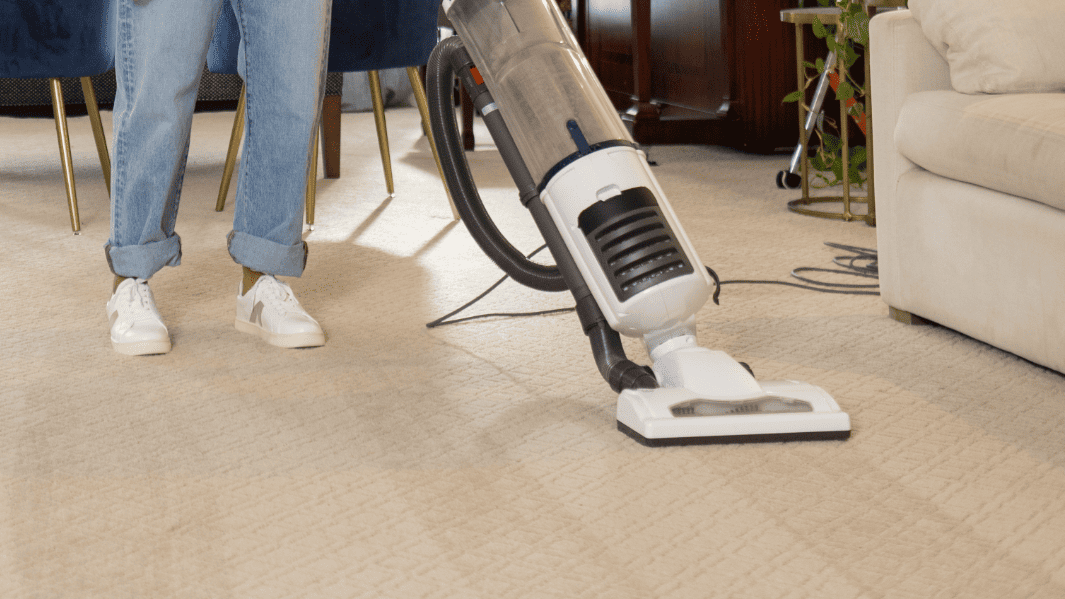
Effective Cleaning Methods to Remove Musty Smells
Addressing damp odors requires more than just surface cleaning. Here’s a step-by-step approach to ensure your basement carpet is thoroughly refreshed:
- Dry the area: Before cleaning, use fans or a dehumidifier to reduce humidity. This helps prevent further mold growth and speeds up the drying process after cleaning.
- Vacuum thoroughly: Remove loose dirt and debris from the carpet. Pay special attention to corners and edges where dust can accumulate.
- Spot treat stains: Apply a targeted stain remover to any visible spots, especially those caused by water or organic matter.
- Deep clean with a carpet machine: Use a carpet cleaner for basements with strong extraction capabilities. Work in small sections to ensure even coverage and maximum moisture removal.
- Rinse and extract: If your machine allows, do a clean water rinse and extract again to remove any leftover cleaning solution.
- Dry quickly: Run fans, open windows if possible, and keep the dehumidifier on until the carpet is completely dry.
For persistent odors, consider using an enzymatic cleaner or a solution specifically designed for pet or mildew smells. These products break down odor molecules rather than just masking them.
Preventing Dampness and Odors in Basement Carpets
Once your carpet is clean, ongoing maintenance is key to preventing future issues. Here are some practical tips:
- Control humidity: Keep a dehumidifier running, especially during wet seasons.
- Regular cleaning: Schedule deep cleaning every few months, or more often if you notice musty smells returning.
- Address leaks promptly: Fix any foundation cracks, window leaks, or plumbing issues that could introduce moisture.
- Use area rugs: In high-traffic or problem areas, place washable rugs that can be easily cleaned and dried.
- Monitor for mold: Check under furniture and along baseboards for early signs of mold or mildew.
For additional advice on keeping carpets fresh after cleaning, review these carpet cleaner mold prevention tips to help maintain a healthy basement environment.
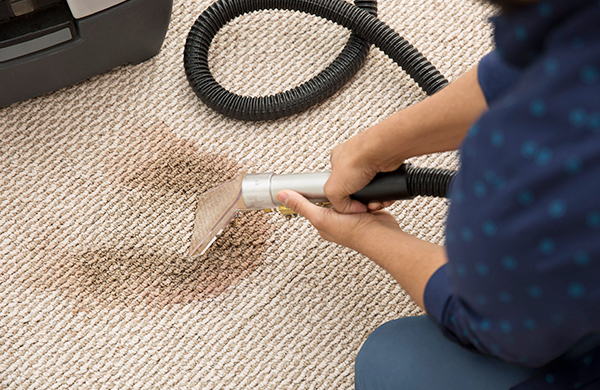
Additional Tips for Basement Carpet Care
Sometimes, even after a thorough cleaning, odors can return if the underlying cause isn’t addressed. Here are a few more strategies to keep your basement carpets in top condition:
- Upgrade padding: If you’re replacing carpet, consider moisture-resistant padding to reduce the risk of future dampness.
- Use carpet-safe disinfectants: Products with antimicrobial properties can help prevent bacteria and mold from taking hold.
- Improve airflow: Install vents or use portable fans to keep air moving, especially in corners and behind furniture.
- Schedule professional cleaning: For severe cases, a professional service may be needed to fully restore your carpet. For more information on advanced cleaning methods, see this comprehensive carpet cleaning guide.
- Consider compact machines: If you have a small or awkwardly shaped basement, a portable unit can be easier to maneuver. For other compact cleaning solutions, check out this article on carpet cleaner for RV interiors.
Frequently Asked Questions
How often should I use a carpet cleaner in my basement?
For most basements, deep cleaning every three to six months is recommended. If your basement is prone to dampness or you notice odors returning sooner, increase the frequency. Regular vacuuming and spot cleaning can help maintain freshness between deep cleans.
What’s the best way to dry a carpet after cleaning in a basement?
Use a combination of fans, open windows (if possible), and a dehumidifier to speed up drying. Avoid replacing furniture until the carpet is fully dry to prevent mold and mildew growth. If the weather is humid, running the air conditioning can also help remove moisture from the air.
Can I use household carpet cleaners in the basement, or do I need a special formula?
Many household carpet cleaning solutions work well, but for basements, look for products with antimicrobial or enzymatic properties to target mold, mildew, and odor-causing bacteria. Always follow the manufacturer’s instructions and test in a small area first to ensure compatibility with your carpet type.
What if the musty smell returns after cleaning?
If odors come back, check for underlying moisture problems such as leaks or high humidity. Repeat the cleaning process and consider using a stronger odor-neutralizing solution. Persistent smells may indicate mold growth beneath the carpet, which could require professional remediation.
Are there any safety precautions I should take when cleaning carpets in damp environments?
Yes, always use equipment rated for wet environments and avoid plugging machines into outlets that may have been exposed to moisture. Refer to carpet cleaner electrical safety guidelines for more information on preventing electrical hazards during basement cleaning.
