
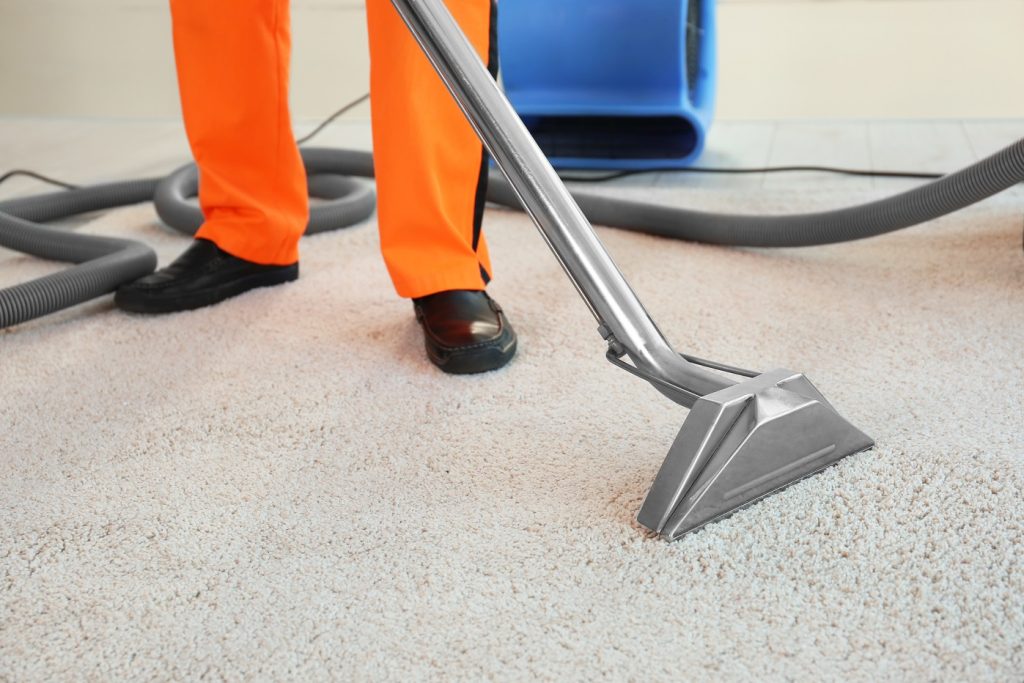
Keeping carpets clean is essential for a healthy home, but even the best machines can run into problems. If your carpet cleaning equipment isn’t working as expected, you’re not alone. This carpet cleaner troubleshooting guide is designed to help you quickly identify and resolve the most frequent issues, whether you’re dealing with a machine that won’t spray, poor suction, or lingering odors. With practical tips and clear steps, you’ll be able to get your device back in working order and extend its lifespan.
Before diving into solutions, it’s helpful to understand how these machines operate and what might cause them to malfunction. If you’re new to these appliances, you can learn more about their basic functions and benefits in our article on what is a carpet cleaner.
Diagnosing Common Carpet Cleaner Problems
When your carpet cleaning machine isn’t performing as it should, the first step is to pinpoint the problem. Below are some of the most frequent complaints and what they typically mean:
- No water or cleaning solution spraying
- Poor suction or water not being picked up
- Strange noises or vibrations
- Leaks from the tank or hose
- Unpleasant odors after use
Each of these issues can have multiple causes, but most can be fixed with basic maintenance and a few simple checks. Let’s explore each one in detail.
Spray Issues: When Water or Solution Won’t Dispense
One of the most common frustrations is when the machine fails to spray water or cleaning solution onto the carpet. Here’s how to address this:
- Check the water and solution tanks: Make sure both tanks are filled and properly seated. If the tank isn’t clicked into place, the machine may not draw liquid.
- Inspect for clogs: Remove the tanks and check the spray nozzles for blockages. Use a pin or small brush to clear any debris.
- Examine the trigger mechanism: Squeeze the spray trigger and observe if you feel resistance. If it feels loose, the trigger or its linkage may be broken.
- Review the user manual: Some models require priming or a specific sequence to start spraying. Refer to your manual for model-specific instructions.
If you’re still having trouble, consider whether the cleaning solution is too thick or old, as this can also block the system.

Fixing Poor Suction and Water Pickup
If your machine leaves carpets wet or doesn’t seem to extract water effectively, suction is likely the culprit. Here’s how to restore optimal performance:
- Empty the dirty water tank: A full tank can prevent suction. Empty and rinse it after every use.
- Clean the filters: Many models have foam or mesh filters that trap debris. Remove and rinse these regularly.
- Inspect seals and gaskets: Damaged or misaligned seals can cause air leaks, reducing suction. Check for cracks or improper placement.
- Check the hose and nozzle for blockages: Remove any hair, lint, or debris that could be obstructing airflow.
For a more detailed walkthrough, see our dedicated resource on how to fix carpet cleaner suction loss.
Addressing Leaks, Noises, and Odors
Leaks, odd sounds, and lingering smells are also common complaints. Here’s how to troubleshoot each:
Leaks
- Check tank seals and caps: Ensure all lids and seals are tight and undamaged.
- Inspect hoses: Look for cracks or loose connections.
- Don’t overfill: Filling past the max line can cause overflow.
Noises and Vibrations
- Remove obstructions: Foreign objects can get lodged in the brush or nozzle.
- Tighten loose parts: Check screws and attachments.
- Replace worn brushes: Old brushes can rattle or vibrate excessively.
Odors
- Rinse tanks and hoses after each use
- Let components dry completely before storage to prevent mildew.
- Use a mild disinfectant occasionally to clean internal parts.
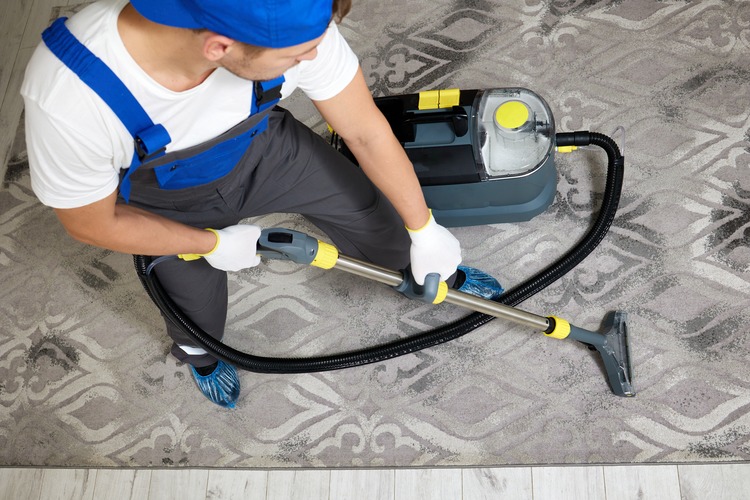
Preventive Maintenance for Reliable Performance
Regular care can prevent many of the issues outlined above. Here are some practical tips to keep your machine running smoothly:
- Empty and rinse tanks after every use to avoid buildup and odors.
- Clean brushes and nozzles regularly to prevent clogs.
- Store the machine in a dry area to avoid mold and mildew.
- Check for wear and tear on hoses, seals, and moving parts.
If you’re comparing different types of cleaning machines, you might find our article on carpet cleaner vs steam cleaner helpful. It covers the main differences and which option might be best for your needs. There’s also a helpful comparison on the topic at steam cleaner vs carpet cleaner: which is right for you?.
Choosing the Right Machine and Accessories
Sometimes, persistent problems are a sign that your current equipment isn’t suited to your needs. If you’re considering an upgrade, look for features like easy-to-clean tanks, powerful suction, and reliable spray systems. Our guide to the best carpet cleaner for home use highlights top models and what to look for when shopping.
For those deciding between different cleaning methods, our comparison of carpet cleaner vs shampooer explains the pros and cons of each approach.
FAQ
Why is my carpet cleaner not picking up water?
The most common reasons are a full dirty water tank, clogged filters, or air leaks from damaged seals. Make sure to empty the tank, clean the filters, and inspect all seals and hoses for damage.
What should I do if my machine is leaking?
First, check that all tanks and caps are properly closed and undamaged. Inspect hoses for cracks and ensure you’re not overfilling the tanks. If leaks persist, a seal or gasket may need replacement.
How often should I clean my carpet cleaner?
It’s best to rinse tanks, brushes, and nozzles after every use. Clean or replace filters as recommended by the manufacturer, and let all parts dry thoroughly before storage to prevent mold and odors.
Can I use any cleaning solution in my carpet cleaner?
Always use the type of solution recommended by your machine’s manufacturer. Using the wrong formula can cause clogs or damage internal components.
