
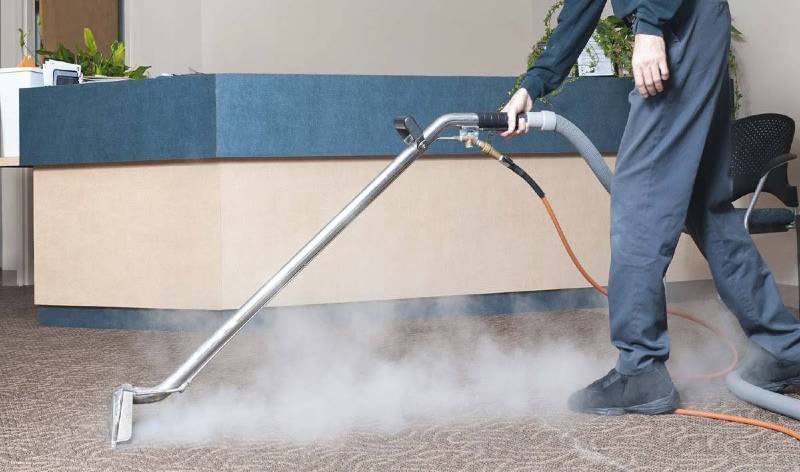
Stubborn marks on carpets can be a real headache, especially if you want to avoid harsh chemicals in your home. Many households are searching for how to remove tough carpet stains naturally using safe, eco-friendly methods. Whether you’re dealing with pet accidents, spilled wine, or muddy footprints, there are effective ways to tackle these blemishes with ingredients you likely already have at home.
This guide covers practical, natural remedies for deep-set spots, tips for different carpet types, and advice on when to use store-bought products. If you also struggle with pet hair, you might find pet hair removal from carpet indoor hygiene tips helpful for maintaining a cleaner home environment.
Understanding Carpet Stain Challenges
Not all stains are created equal. Some, like coffee or red wine, penetrate fibers quickly and can be difficult to remove without immediate action. Others, such as grease or ink, require a different approach. The type of carpet—wool, synthetic, or blended—also affects which cleaning methods are safest and most effective.
For delicate materials, always check care instructions or consult resources like what carpet cleaners want you to know about wool to avoid accidental damage.
Natural Ingredients That Work on Stubborn Spots
When it comes to how to remove tough carpet stains naturally, a few household staples stand out for their cleaning power:
- Baking Soda: Absorbs odors and helps lift stains, especially when combined with vinegar.
- White Vinegar: Breaks down many organic stains and neutralizes smells.
- Hydrogen Peroxide: Effective on light-colored carpets for removing organic stains like blood or wine (always spot test first).
- Salt: Draws out liquid stains and can be vacuumed away after drying.
- Lemon Juice: Useful for brightening and deodorizing, but best for light carpets due to its bleaching effect.
- Cornstarch: Absorbs grease and oil-based stains.
Step-by-Step: Removing Common Carpet Stains Naturally
Coffee and Tea
Blot up as much liquid as possible with a clean, dry cloth. Mix one tablespoon of white vinegar, one tablespoon of liquid dish soap, and two cups of warm water. Apply the solution to the stain with a sponge, blotting frequently. Rinse with cold water and blot dry.
Red Wine
Immediately blot the spill. Sprinkle salt over the area to absorb the wine. After a few minutes, vacuum up the salt. Mix a solution of hydrogen peroxide and a small amount of dish soap, dab onto the stain, and let it sit for 20 minutes. Blot and rinse with cold water.

Pet Accidents
Remove any solids, then blot up as much moisture as possible. Sprinkle baking soda over the area and let it sit for 10–15 minutes to absorb odors. Vacuum thoroughly. Mix equal parts white vinegar and water, spray on the stain, and blot dry. Repeat if needed.
For more advice on keeping carpets free of fur and dander, see pet hair removal from carpet fast cleaning tips.
Grease and Oil
Sprinkle cornstarch or baking soda on the spot and let it sit for 15 minutes to absorb the oil. Vacuum up the powder. Dab the area with a cloth dipped in a mixture of vinegar and water, then blot dry.
Deep Cleaning with Steam and Natural Solutions
For persistent or large stains, steam cleaning can be a powerful option. You can use water alone or add a small amount of white vinegar to the machine for extra cleaning power. This method is safe for most carpets and helps lift embedded dirt and residues.
If you have pets, regular deep cleaning can also help with pet hair removal from carpet without damaging fibers and keep your floors looking fresh.
Tips for Preventing and Treating Set-In Stains
- Act quickly: The sooner you address a spill, the easier it is to remove.
- Blot, don’t rub: Rubbing can spread the stain and damage fibers.
- Test first: Always try your cleaning solution on a hidden area to check for colorfastness.
- Use minimal moisture: Over-wetting can lead to mold or mildew.
- Vacuum regularly: This helps prevent dirt from settling deep into the carpet.
For busy households, establishing a pet hair removal routine for busy pet owners can also reduce the risk of stains and keep carpets looking their best.
When to Use Store-Bought Cleaners
While natural solutions are effective for many stains, some situations may require a commercial product, especially for old or particularly stubborn marks. Look for cleaners labeled as safe for your carpet type and always follow the manufacturer’s instructions. For convenience, you can find highly rated options online, such as those featured in the yellow buttons above.
Frequently Asked Questions
Can I use vinegar on all types of carpets?
White vinegar is generally safe for synthetic carpets but may not be suitable for wool or silk. Always test in an inconspicuous area first and consult your carpet’s care guide.
What is the best way to remove pet urine odors naturally?
Blot up as much as possible, then sprinkle baking soda on the area. After letting it sit, vacuum thoroughly. Follow with a spray of equal parts white vinegar and water, then blot dry.
How often should I deep clean my carpets?
For most homes, a deep clean every 6–12 months is sufficient. Households with pets, children, or high traffic may benefit from more frequent cleaning to prevent stains from setting in.
