
Pet owners know the struggle of keeping carpets free from fur. Whether you have a shedding dog, a fluffy cat, or both, daily maintenance is key to a clean and comfortable home. Tackling hair build-up regularly not only keeps your floors looking fresh but also helps reduce allergens and odors. This article provides straightforward advice for how to manage pet hair on carpet daily, using practical routines and the right tools to make the job easier.
By establishing a simple routine and using effective techniques, you can minimize the time spent cleaning and enjoy a hair-free living space. We’ll cover the best daily habits, recommended equipment, and tips for keeping your carpets in top shape. For more in-depth strategies, check out our guide on pet hair removal from carpet indoor hygiene tips for additional insights.
Why Daily Carpet Care Matters for Pet Owners
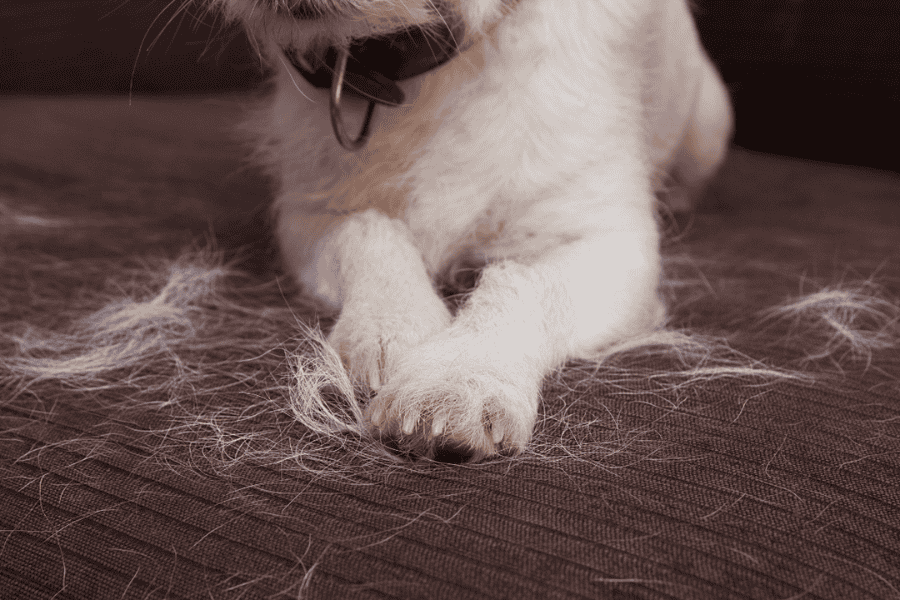
Letting pet hair accumulate can quickly turn a clean carpet into a fur-covered mess. Daily attention prevents hair from embedding deeply into carpet fibers, which makes removal much easier. Regular upkeep also helps control pet dander, which is a common trigger for allergies and asthma. By addressing fur each day, you reduce the need for deep cleaning and extend the life of your carpet.
Consistent routines also make your home more welcoming for guests and more comfortable for everyone living there. If you’re looking for time-saving methods, our pet hair removal from carpet fast cleaning tips article offers quick solutions for busy households.
Essential Tools for Daily Pet Hair Removal
Having the right equipment is crucial for effective daily maintenance. Here are some recommended tools that make the process easier and more efficient:
- Vacuum Cleaners with Pet Attachments: Choose a vacuum designed for pet hair, ideally with a motorized brush roll and strong suction. These models pick up fur more effectively than standard vacuums.
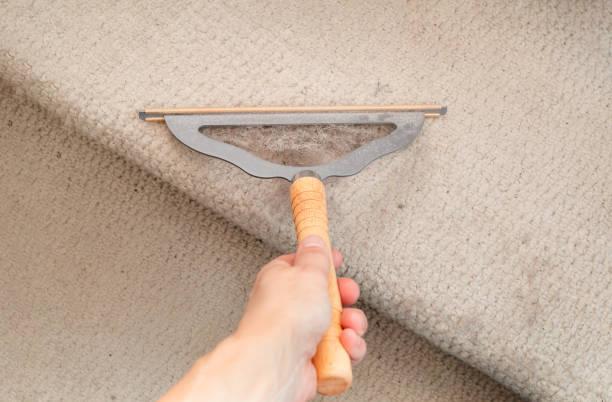
- Carpet Rakes and Brooms: Specialized rakes or rubber brooms lift hair from carpet fibers, making it easier to vacuum or collect by hand.
- Lint Rollers: While best for small areas, lint rollers are handy for quick touch-ups or for removing hair from stairs and corners.
- Microfiber Cloths: Dampen a microfiber cloth and run it over the carpet to attract and lift stubborn fur.
For a deeper dive into safe cleaning, visit our resource on pet hair removal from carpet without damaging fibers.
Daily Routine: Simple Steps for Fur-Free Carpets
Staying ahead of pet hair doesn’t have to be a chore. Incorporate these daily habits to keep your carpets looking their best:
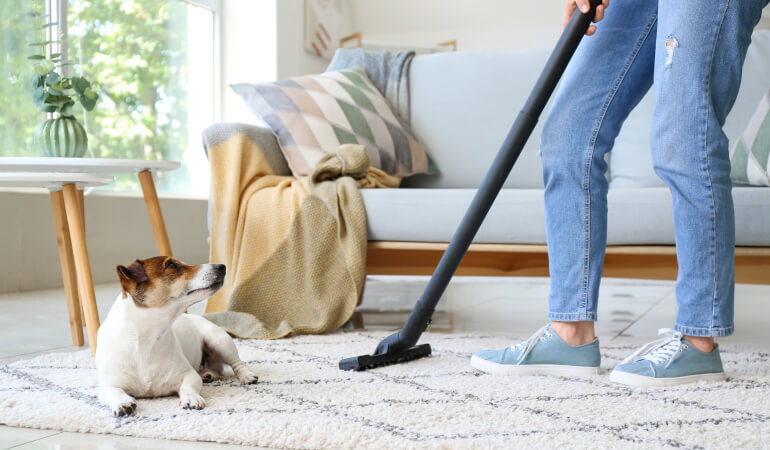
- Quick Vacuuming: Spend a few minutes each day vacuuming high-traffic areas and your pet’s favorite spots. Focus on places where your pet naps or plays, as these tend to collect the most fur.
- Use a Carpet Rake or Broom: Before vacuuming, run a carpet rake or rubber broom over the surface to loosen and gather hair. This step is especially helpful for thick or high-pile carpets.
- Spot Clean Problem Areas: If you notice clumps of fur or stubborn patches, use a damp microfiber cloth or lint roller for targeted removal.
- Empty Vacuum Regularly: A full dustbin or clogged filter reduces suction and makes hair removal less effective. Clean your vacuum after each use for best results.
- Rotate Cleaning Tools: Alternate between vacuuming and raking to prevent hair from settling deep into the carpet fibers.
For a more structured approach, our article on pet hair removal routine for busy pet owners offers a step-by-step guide tailored to hectic schedules.
Preventing Excess Hair Build-Up
While daily cleaning is essential, prevention can make the job even easier. Here are a few strategies to reduce the amount of fur that ends up on your carpets:
- Brush Your Pet Regularly: Frequent grooming removes loose hair before it falls onto the floor. Choose a brush suited to your pet’s coat type for maximum effectiveness.
- Use Washable Pet Beds and Blankets: Place these in your pet’s favorite spots and wash them weekly to trap fur before it spreads.
- Keep Paws Clean: Wipe your pet’s paws after walks to prevent dirt and hair from being tracked inside.
- Maintain a Healthy Diet: A balanced diet can reduce excessive shedding. Consult your vet if you notice abnormal hair loss.
Combining these habits with your daily cleaning routine will help keep carpets looking and feeling fresh.
Advanced Tips for Managing Pet Hair on Carpets
For those dealing with heavy shedders or multiple pets, a few extra steps can make a big difference:
- Try Anti-Static Sprays: Lightly misting carpets with an anti-static spray can help loosen hair, making it easier to remove with a vacuum or broom.
- Deep Clean Weekly: Even with daily care, a weekly deep clean using a carpet cleaner or steam cleaner helps remove embedded fur and refresh fibers.
- Alternate Cleaning Directions: Vacuum and rake in different directions to lift hair from all angles and prevent matting.
- Use Area Rugs: Place washable rugs in high-shedding zones to catch fur and protect your main carpet.
If you want more details on technique, our post on pet hair removal from carpet using pulling motion explains how to maximize hair removal efficiency.
For additional expert advice, see this comprehensive guide to removing pet hair from carpet for more professional tips and product recommendations.
FAQ: Daily Carpet Care for Pet Hair
What is the fastest way to remove pet hair from carpet every day?
The quickest method is to use a vacuum designed for pet hair on high-traffic areas, combined with a carpet rake or rubber broom to loosen stubborn fur. For small touch-ups, a lint roller or damp microfiber cloth works well.
How can I prevent pet hair from sticking to my carpet?
Regular grooming, using anti-static sprays, and placing washable rugs in your pet’s favorite spots can help reduce the amount of hair that sticks to carpet fibers. Keeping your pet healthy and brushing them often also minimizes shedding.
Are there any tools that make daily pet hair removal easier?
Yes, vacuums with pet-specific attachments, carpet rakes, rubber brooms, and lint rollers all help make daily maintenance simpler and more effective. Investing in the right equipment can save time and effort in the long run.
