
Keeping carpets fresh and spotless can be a challenge, especially in busy households. Using a carpet cleaning machine is one of the most effective ways to remove deep-seated dirt, stains, and allergens from your floors. However, to get the best results and avoid damaging your carpet or machine, it’s important to understand the correct process. This guide offers step-by-step instructions and practical tips for getting professional-level results when cleaning your carpets at home.
If you’re new to using these machines or want to improve your technique, you’ll find everything you need here—from preparation to drying. For those curious about the differences between cleaning devices, you may also want to explore the carpet cleaner vs steam cleaner comparison for more context.
Why Proper Carpet Cleaning Technique Matters
Using a carpet cleaning machine the right way ensures your floors are not only clean but also protected from unnecessary wear. Incorrect use can leave carpets overly wet, cause mold growth, or even damage the fibers. By following the right steps, you can extend the life of your carpet and maintain a healthier home environment.
For a deeper understanding of what these machines do and their benefits, check out what is a carpet cleaner for a detailed explanation.
Preparation: Getting Ready to Clean Your Carpet
Before you start, gather all necessary supplies. You’ll need your carpet cleaning machine, the recommended cleaning solution, and access to hot tap water. Make sure to read your machine’s manual for any specific instructions or precautions.
- Vacuum thoroughly: Remove loose dirt, dust, and debris. This step prevents the machine from getting clogged and ensures better cleaning results.
- Move furniture: Clear the area to allow easy access to the entire carpeted surface.
- Spot treat stains: Apply a carpet-safe stain remover to any visible spots and let it sit for a few minutes before cleaning.
Step-by-Step Guide: Using a Carpet Cleaning Machine Effectively
To achieve the best results, follow these essential steps for how to use a carpet cleaner properly:
1. Fill the Machine with Solution and Water
Most machines have separate tanks for clean water and cleaning solution. Fill the clean water tank with hot tap water (not boiling), and add the recommended amount of carpet cleaning solution to the solution tank. Avoid using more detergent than directed, as excess soap can leave residue and attract dirt.

2. Clean in Slow, Even Passes
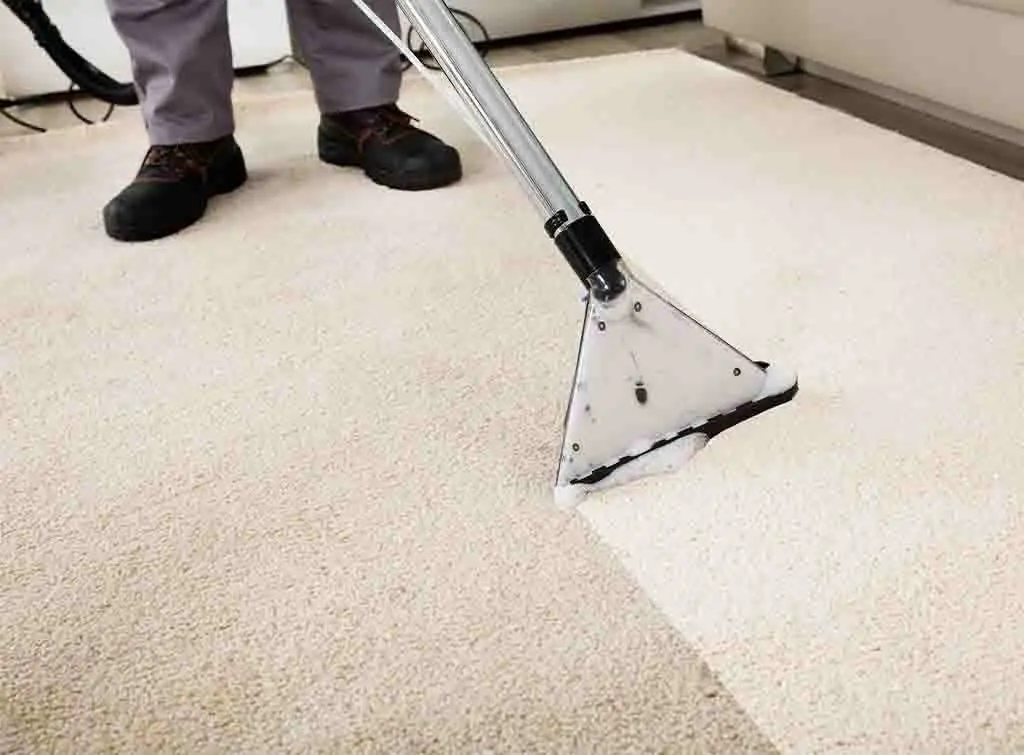
Begin cleaning in a corner of the room and work your way backward toward the exit. Press the trigger to release cleaning solution as you push the machine forward slowly. Release the trigger and pull the machine back over the same path to extract dirty water. Overlapping each pass ensures even cleaning and prevents streaks.
Avoid rushing—slow, steady movements allow the machine to thoroughly clean and extract moisture. For high-traffic areas or stubborn stains, make additional passes as needed.
3. Refill and Empty Tanks as Needed
Check the dirty water tank regularly. When it’s full, empty it and refill the clean water tank as needed. Always unplug the machine before emptying or refilling to prevent accidents.
4. Rinse with Clean Water (Optional but Recommended)
For a residue-free finish, run a final pass with only clean water in the tank. This step helps remove any leftover detergent and keeps carpets feeling soft.
Post-Cleaning: Drying and Maintenance Tips
After cleaning, proper drying is crucial to prevent mildew and odors. Open windows, use fans, or turn on your HVAC system to speed up drying. Avoid walking on the carpet until it’s completely dry.
- Empty and rinse tanks: After use, clean all tanks and parts according to the manufacturer’s instructions.
- Clean the machine: Remove any hair, debris, or buildup from brushes and nozzles.
- Store properly: Let all parts dry before storing to prevent mold growth inside the machine.
If you notice your machine isn’t picking up water as it should, see how to fix carpet cleaner suction loss for troubleshooting tips.
Choosing the Right Carpet Cleaning Machine for Your Home
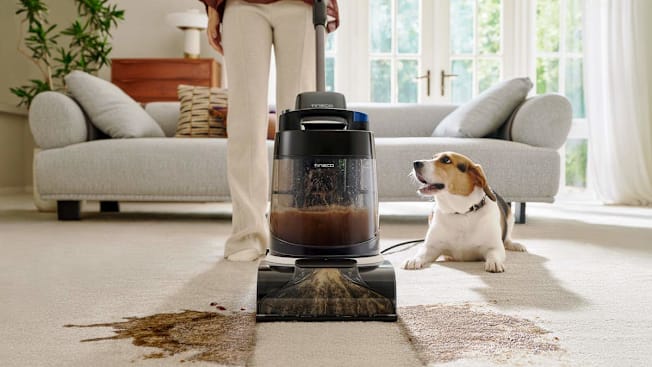
There are several types of carpet cleaning machines available, from upright models to portable spot cleaners. Consider the size of your home, the type of carpet, and your cleaning needs. For a breakdown of what features to look for, see the best carpet cleaner for home use guide.
If you’re deciding between different cleaning methods, the carpet cleaner vs shampooer article can help you choose the best option for your situation.
Common Mistakes to Avoid When Cleaning Carpets
- Over-wetting: Using too much water can lead to slow drying and potential mold growth.
- Skipping vacuuming: Failing to vacuum first can push dirt deeper into the carpet.
- Using the wrong detergent: Always use solutions recommended by your machine’s manufacturer.
- Not allowing enough drying time: Walking on damp carpet can cause new stains and flatten fibers.
For those interested in professional cleaning methods, you can learn more about industry techniques from this overview of professional carpet cleaning methods.
Frequently Asked Questions
How often should I clean my carpets with a machine?
Most experts recommend deep cleaning your carpets every 6 to 12 months, depending on foot traffic, pets, and whether anyone in your household has allergies. High-traffic areas or homes with children and pets may benefit from more frequent cleaning.
Can I use regular detergent in my carpet cleaning machine?
No, you should always use a cleaning solution specifically designed for carpet cleaning machines. Regular detergents can create excessive suds, leave residue, and may damage your machine or carpet fibers.
What should I do if my carpet is still wet after cleaning?
Increase air circulation by opening windows, running fans, or using a dehumidifier. Avoid walking on the carpet until it is completely dry. If you notice persistent dampness, check your machine for suction issues or consult how to fix carpet cleaner suction loss for solutions.
Is it safe to clean all types of carpet with a machine?
Most synthetic carpets can be cleaned with a machine, but delicate materials like wool or antique rugs may require special care. Always check the manufacturer’s cleaning instructions before using any equipment.
