
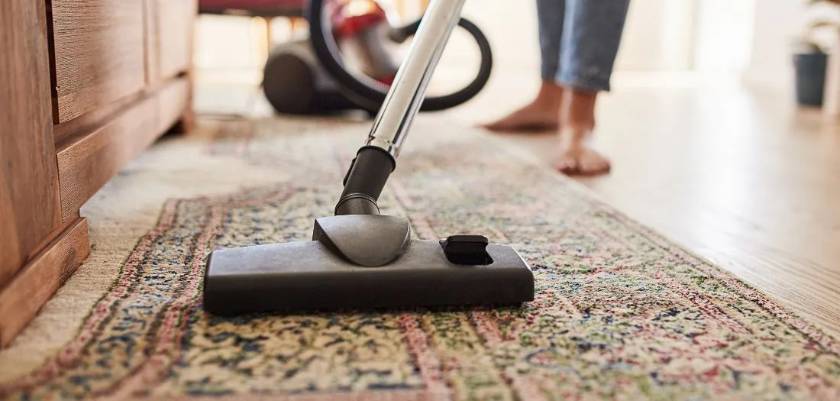
Living with pets brings joy, but for those sensitive to allergens, keeping carpets free from fur and dander is essential. Pet hair can trap allergens deep in carpet fibers, making it challenging for allergy sufferers to maintain a healthy indoor environment. This guide covers effective strategies and tools for pet hair removal for allergy sufferers with carpets, focusing on practical steps to reduce allergens and improve air quality at home.
Whether you’re dealing with stubborn fur or looking for preventative measures, understanding the right techniques and products can make a significant difference. For more detailed routines and hygiene tips, you can also refer to pet hair removal from carpet indoor hygiene tips for additional insights.
Why Pet Hair in Carpets Is a Problem for Allergy Sufferers
Carpets act like magnets for pet hair, trapping not only fur but also dander, dust, and pollen. For individuals with allergies, these particles can trigger symptoms such as sneezing, itchy eyes, and respiratory discomfort. Unlike hard floors, carpets hold onto allergens, making regular and thorough cleaning a necessity.
Pet hair can also serve as a carrier for other allergens, including dust mites and mold spores. The combination of these elements can exacerbate allergic reactions, especially in homes with high foot traffic or multiple pets. Addressing this issue requires targeted cleaning methods and consistent maintenance routines.
Essential Tools for Effective Pet Hair Removal
Choosing the right tools is the first step in managing pet hair and allergens in carpeted spaces. Here are some of the most effective options:
- Vacuum Cleaners with HEPA Filters: These vacuums trap fine particles, including dander, preventing them from being released back into the air.
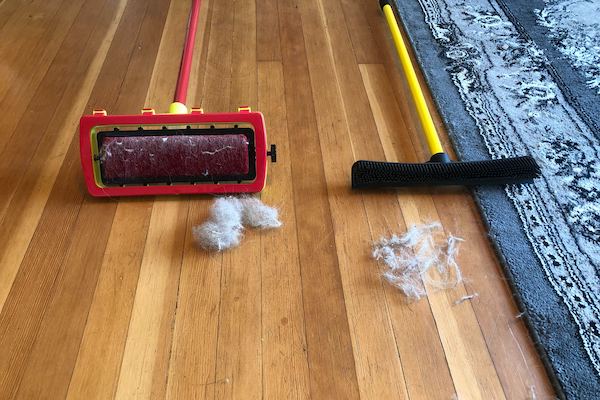
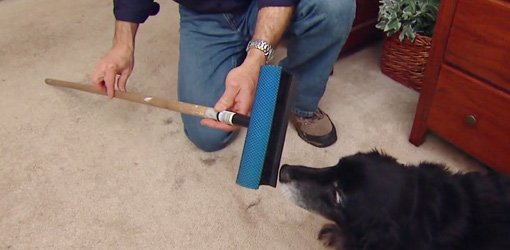
- Rubber Brooms and Carpet Rakes: The static charge generated by rubber bristles helps lift pet hair from carpet fibers, making it easier to collect.
- Lint Rollers and Sticky Brushes: Useful for spot cleaning and quick touch-ups in high-traffic areas.
- Microfiber Cloths: These can pick up fine hair and dust when used on both carpets and upholstery.
For a deeper dive into fast and efficient cleaning, check out pet hair removal from carpet fast cleaning tips.
Step-by-Step Guide to Removing Pet Hair from Carpets
For those managing allergies, a consistent cleaning routine is crucial. Here’s a practical approach to minimizing pet hair and allergens in your home:
- Vacuum Regularly: Use a vacuum cleaner with a HEPA filter at least twice a week. Go over high-traffic areas multiple times and use attachments for corners and edges.
- Use a Rubber Broom or Carpet Rake: Before vacuuming, run a rubber broom or carpet rake over the carpet to loosen embedded hair. This technique is especially effective for thick or high-pile carpets.
- Spot Clean with Lint Rollers: For quick touch-ups, use a lint roller or sticky brush on visible hair patches.
- Deep Clean Monthly: Consider steam cleaning or shampooing carpets monthly to remove deeply embedded allergens and refresh fibers.
- Maintain Pet Grooming: Regularly brush your pets to reduce shedding and the amount of hair that ends up on carpets.
For more on gentle cleaning methods, see pet hair removal from carpet without damaging fibers.
Allergy-Friendly Cleaning Routines for Carpeted Homes
Developing an allergy-friendly cleaning schedule is key for minimizing symptoms. Here are some recommendations tailored for those with sensitivities:
- Daily: Quickly spot-clean visible hair and dander in main living areas.
- Weekly: Vacuum all carpeted rooms thoroughly, focusing on pet zones and under furniture.
- Monthly: Deep clean carpets using a steam cleaner or professional service to remove allergens that regular vacuuming might miss.
- Seasonally: Rotate furniture and clean underneath to prevent buildup of fur and dust in hidden spots.
For those with busy lifestyles, a pet hair removal routine for busy pet owners can help streamline these tasks and keep allergens at bay.
Preventative Measures to Reduce Pet Hair and Allergens
Prevention is as important as cleaning when it comes to managing pet hair and allergies. Consider these strategies:
- Groom Pets Regularly: Brushing pets outside or in a designated area reduces the amount of loose hair indoors.
- Use Washable Rugs: Place machine-washable rugs in high-traffic zones to catch hair before it reaches the carpet.
- Air Purifiers: Use HEPA air purifiers in rooms with carpets to capture airborne dander and dust.
- Restrict Pet Access: Limit pets’ access to certain carpeted rooms, especially bedrooms, to reduce allergen exposure.
- Change HVAC Filters: Replace filters regularly to prevent recirculation of allergens throughout the home.
For more information on removing fur from carpets, see this comprehensive guide on getting rid of pet fur from carpets.
Common Mistakes to Avoid When Cleaning Pet Hair
Even with the best intentions, some cleaning habits can worsen allergy symptoms or damage carpets. Avoid these pitfalls:
- Using Vacuums Without HEPA Filters: Standard vacuums may release fine particles back into the air, increasing allergen exposure.
- Overwetting Carpets: Excess moisture can lead to mold growth, which is another trigger for allergies.
- Skipping Regular Maintenance: Infrequent cleaning allows hair and dander to accumulate, making removal more difficult.
- Using Harsh Chemicals: Some cleaning products can irritate allergies or leave residues that attract more dust.
For techniques that protect carpet fibers, visit pet hair removal from carpet using pulling motion.
FAQ: Pet Hair and Allergy Management in Carpeted Homes
How often should I vacuum carpets to control pet hair and allergens?
For allergy control, vacuum at least twice a week using a vacuum with a HEPA filter. In homes with multiple pets or severe allergies, daily vacuuming of high-traffic areas is recommended.
Are there specific vacuums best suited for allergy sufferers?
Yes, vacuums equipped with HEPA filters and strong suction are ideal. Look for models designed for pet owners, as they often include specialized attachments for removing hair from carpets and upholstery.
What is the most effective way to remove embedded pet hair from thick carpets?
Start by using a rubber broom or carpet rake to loosen hair from the fibers, then vacuum thoroughly. For stubborn areas, a dampened microfiber cloth can help lift remaining hair. Monthly deep cleaning with a steam cleaner is also beneficial.
Can professional carpet cleaning help reduce allergies?
Professional cleaning can remove deeply embedded hair, dander, and dust mites, providing a more thorough clean than regular vacuuming. This can significantly reduce allergen levels in the home.
Managing pet hair removal for allergy sufferers with carpets requires a combination of the right tools, consistent routines, and preventative strategies. By following these tips and using recommended products, you can create a healthier, more comfortable environment for everyone in your home.
