
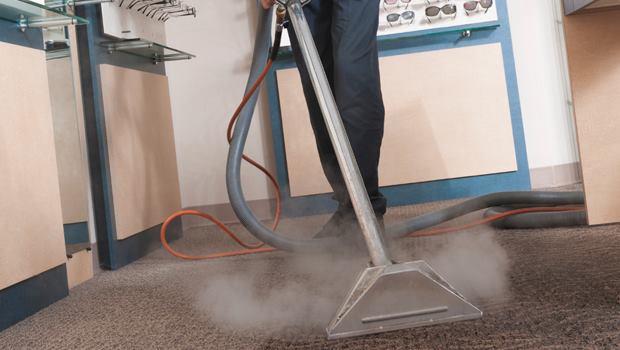
Maintaining a clean home environment is crucial for health and comfort, and one effective method is steam cleaning. However, it’s important to understand how this cleaning technique can affect indoor humidity. This guide explores the relationship between steam cleaning and moisture levels in your home, offering insights into managing both effectively.
Steam cleaning involves using hot vapor to sanitize surfaces, which can inadvertently increase moisture in the air. While this can be beneficial in dry climates, it may pose challenges in already humid environments. Understanding these dynamics is key to optimizing your cleaning routine and ensuring a healthy indoor atmosphere.
For more tips on maintaining a clean home, check out our article on pet hair removal from carpet indoor hygiene tips.
Understanding the Impact of Steam Cleaning on Humidity
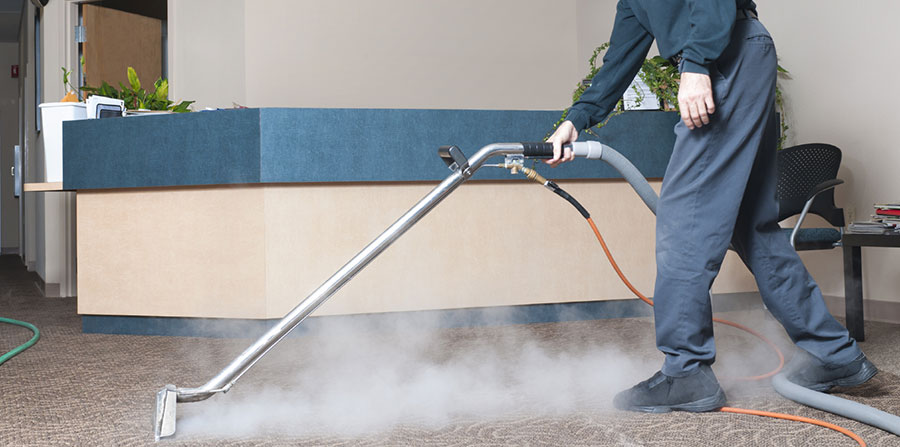
Steam cleaning is an effective method for removing dirt and bacteria from surfaces. However, the process releases moisture into the air, which can increase indoor humidity. This is particularly noticeable in enclosed spaces with poor ventilation. High humidity levels can lead to mold growth and discomfort, making it essential to manage moisture effectively.
Benefits of Steam Cleaning
Despite its impact on humidity, steam cleaning offers numerous benefits. It is a chemical-free cleaning method that effectively kills germs and bacteria. This makes it ideal for households with children and pets. Additionally, steam cleaning can reach deep into carpets and upholstery, removing allergens and improving air quality.

Managing Indoor Moisture Levels
To counteract the moisture added by steam cleaning, consider using a dehumidifier. This device can help maintain optimal humidity levels, preventing mold growth and ensuring comfort. Additionally, ensure adequate ventilation during and after cleaning to allow moisture to escape.
Tips for Effective Steam Cleaning
To maximize the benefits of steam cleaning while minimizing its impact on humidity, follow these tips:
- Use a steam cleaner with adjustable settings to control the amount of steam released.
- Clean in sections, allowing each area to dry before moving to the next.
- Open windows or use fans to enhance air circulation during cleaning.
For additional insights on cleaning techniques, consider reading about what carpet cleaners want you to know about wool.
FAQs
Does Steam Cleaning Increase Indoor Humidity?
Yes, steam cleaning can increase indoor humidity as it releases moisture into the air. It’s important to manage this by ensuring proper ventilation and using dehumidifiers if necessary.
How Can I Reduce Humidity After Steam Cleaning?
To reduce humidity, use fans to improve air circulation and consider running a dehumidifier. Opening windows can also help disperse moisture.
Is Steam Cleaning Safe for All Types of Carpets?
While steam cleaning is generally safe, it’s advisable to check the manufacturer’s guidelines for your specific carpet type. Some delicate fibers may require alternative cleaning methods.
