
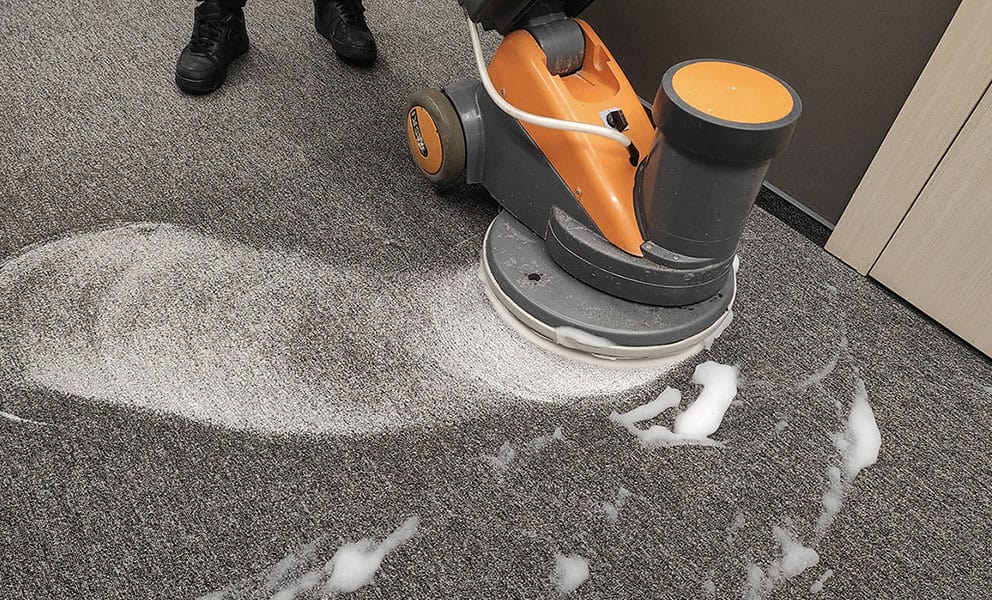
Carpet cleaning is essential for maintaining a healthy and attractive home, but many homeowners wonder: can carpet cleaner damage carpet? While these products and machines are designed to remove dirt and stains, improper use or the wrong choice of solution can sometimes lead to unwanted results. Understanding the potential risks and how to avoid them helps ensure your carpets stay fresh and last longer.
This guide explores the most common ways carpets can be harmed during cleaning, practical steps to prevent issues, and how to choose the right methods for your specific flooring. If you’re considering purchasing equipment, learning about the best carpet cleaner for home use can help you make an informed decision and avoid costly mistakes.
Understanding How Carpet Cleaners Work
Most carpet cleaning machines and solutions work by injecting water and detergent into the carpet fibers, then extracting the dirty water back out. This process can be highly effective, but it also introduces moisture and chemicals that, if misused, may cause problems. For a deeper look at the mechanics, see this detailed explanation of how a carpet cleaner works.
There are several types of carpet cleaning, including hot water extraction, dry cleaning, and shampooing. Each method has its own benefits and risks, and the wrong approach can sometimes do more harm than good. For example, using a carpet cleaner vs shampooer might yield different results depending on your carpet type and cleaning needs.
Common Risks When Using Carpet Cleaners
While most modern carpet cleaning products are safe when used as directed, there are several ways improper use can lead to damage. Here are the most common risks:
- Over-wetting: Excessive moisture can soak through the carpet backing, leading to mold, mildew, or even subfloor damage.
- Residue Build-up: Failing to rinse out cleaning solutions completely can leave sticky residues that attract dirt and cause rapid re-soiling.
- Color Fading or Bleeding: Some chemicals may cause dyes to run or fade, especially on natural fiber or brightly colored carpets.
- Fiber Damage: Aggressive brushing or harsh chemicals can weaken or fray carpet fibers, reducing their lifespan.
- Shrinking or Buckling: Over-wetting or improper drying can cause carpets to shrink or develop ripples.
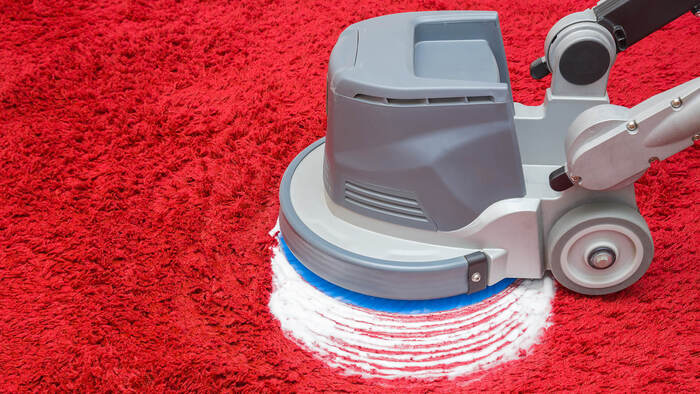
How to Prevent Carpet Damage During Cleaning
Avoiding harm to your carpet during cleaning is mostly a matter of following best practices and using the right products for your specific flooring. Here are some key tips to keep in mind:
- Test in an Inconspicuous Area: Always test new cleaning solutions or machines on a hidden section of carpet to check for colorfastness or adverse reactions.
- Follow Manufacturer Instructions: Use only recommended amounts of cleaning solution and avoid over-wetting the carpet.
- Rinse Thoroughly: Make sure to remove all cleaning agents to prevent residue build-up and sticky fibers.
- Allow Proper Drying: Use fans or open windows to speed up drying, and avoid walking on the carpet until it’s completely dry.
- Choose the Right Equipment: Not all machines are suitable for every carpet type. If you’re unsure, consult the carpet manufacturer or a professional.
For more on the differences between cleaning methods, see carpet cleaner vs steam cleaner and how each approach may affect your flooring.
Types of Carpet and Their Sensitivity to Cleaners
Not all carpets react the same way to cleaning agents. Here’s a quick overview of common carpet materials and their sensitivities:
| Carpet Type | Sensitivity to Cleaners | Recommended Approach |
|---|---|---|
| Wool | High (can shrink, fade, or felt) | Use mild, wool-safe detergents and avoid hot water |
| Nylon | Moderate (can fade with harsh chemicals) | Use pH-neutral cleaners and rinse thoroughly |
| Polyester | Low (generally durable) | Standard cleaning methods are usually safe |
| Olefin/Polypropylene | Low (resistant to most chemicals) | Avoid oil-based solvents; water-based cleaning is safe |
| Natural Fiber (Sisal, Jute) | Very High (prone to water damage and shrinking) | Dry cleaning or minimal moisture methods only |
Signs Your Carpet Has Been Damaged by Cleaning
Even with the best intentions, mistakes can happen. Watch for these warning signs after cleaning:
- Persistent dampness or musty odors (possible mold or mildew)
- Color changes, fading, or dye bleeding
- Ripples, buckling, or shrinking
- Sticky or stiff texture (leftover residue)
- Frayed or weakened fibers
If you notice any of these issues, stop using the cleaning product or machine and consult a professional for advice. Sometimes, a deep clean by an expert is needed to restore the carpet’s appearance and structure. Learn more about why professional steam cleaning is effective for tough cases.

Best Practices for Safe Carpet Cleaning
To minimize the risk of harming your carpet, keep these best practices in mind:
- Vacuum thoroughly before applying any wet cleaning method to remove loose dirt and debris.
- Use only cleaning products recommended for your carpet type.
- Never oversaturate the carpet—less is often more when it comes to water and detergent.
- Blot stains gently rather than scrubbing aggressively.
- Schedule regular professional cleanings for high-traffic areas.
For more details about what sets different cleaning machines apart, check out what is a carpet cleaner and how to select the right one for your needs.
FAQ
What should I do if my carpet shrinks or buckles after cleaning?
If your carpet develops ripples or shrinks, avoid further cleaning and let it dry completely. Sometimes, professional re-stretching is needed to restore its shape. Always use minimal moisture and proper drying techniques to prevent this issue.
Can I use any carpet cleaner on wool or natural fiber carpets?
No, wool and natural fiber carpets are highly sensitive to chemicals and moisture. Always use products labeled as safe for wool or natural fibers, and avoid hot water or aggressive scrubbing. When in doubt, consult a professional cleaner.
How often is it safe to deep clean my carpets?
Most manufacturers recommend deep cleaning every 12–18 months, but high-traffic areas may need more frequent attention. Over-cleaning can wear out fibers, so follow guidelines for your specific carpet type and use gentle methods whenever possible.
