
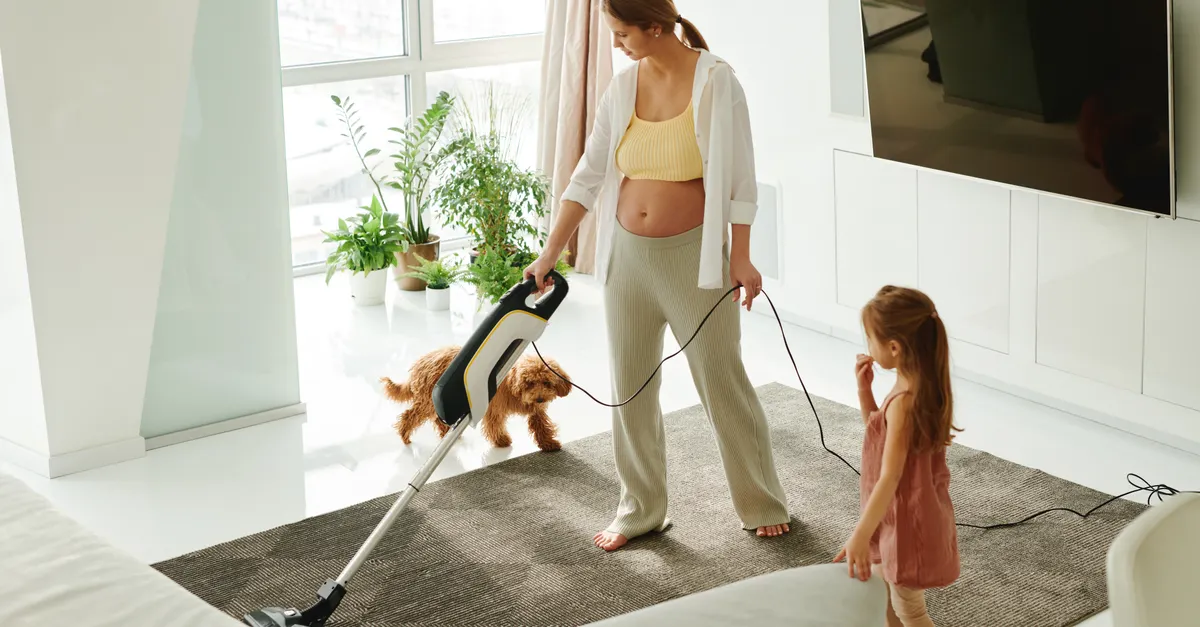
Keeping carpets clean and well-maintained requires more than just running a vacuum over them every now and then. The type of carpet you have—whether it’s plush, looped, synthetic, or natural fiber—directly affects the best way to vacuum it. Using the right approach for each carpet type not only improves cleanliness but also extends the life of your flooring. This guide offers practical vacuuming tips for different carpet types, helping you choose the right techniques, settings, and schedules for every room in your home.

Understanding Carpet Fibers and Their Impact on Vacuuming
Carpet fibers play a crucial role in determining the most effective vacuuming method. Each fiber type—such as nylon, polyester, olefin, and wool—has unique characteristics that influence how dirt is trapped and how the carpet responds to cleaning equipment.
Nylon carpets are durable and resilient, making them suitable for high-traffic areas. They can handle regular vacuuming with moderate suction and a rotating brush. Polyester carpets are stain-resistant but can attract oily residues, so thorough vacuuming is essential. Olefin (polypropylene) carpets resist moisture and mildew but may flatten under heavy use; gentle vacuuming helps maintain their appearance. Wool carpets, being natural fibers, are more delicate and require a soft touch—use low suction and avoid aggressive beater bars to prevent fiber damage.
According to guidance from Vision Flooring, matching your vacuum type and settings to the specific fiber ensures effective cleaning and prevents premature wear. For example, a vacuum with adjustable height and suction is ideal for homes with multiple carpet types.
Optimal Vacuum Settings for Various Carpet Types
Choosing the correct vacuum settings is essential for both cleaning performance and carpet longevity. Using the wrong settings can damage fibers or leave dirt behind.
- Low-pile carpets: Use a vacuum with a rotating brush or beater bar and standard suction. The brush agitates dirt from the short fibers, making it easier to remove.
- High-pile and shag carpets: Set the vacuum to its highest height setting and, if possible, turn off the beater bar. Too much agitation can tangle or pull out long fibers. Suction should be gentle to avoid matting.
- Looped carpets (like Berber): Avoid using a beater bar, as it can snag loops and cause fraying. Opt for straight suction or a vacuum with a gentle brush roll.
- Wool carpets: Use low suction and avoid aggressive brushes. Wool is naturally resilient but can be damaged by excessive force.
- Synthetic carpets (nylon, polyester, olefin): Most can handle moderate suction and a rotating brush, but always check the manufacturer’s recommendations.
As highlighted by Kirby, using the right vacuum settings for each carpet type prevents damage and ensures thorough cleaning. If your vacuum has adjustable height, set it so the brush just touches the carpet surface—this maximizes dirt removal without stressing the fibers.
Vacuuming Frequency for Different Carpet Types
How often you vacuum is just as important as how you vacuum. The ideal frequency depends on the carpet’s location, fiber type, and the level of foot traffic it receives.
- High-traffic areas (hallways, living rooms): Vacuum these spaces at least 2-3 times per week. Dirt and debris accumulate quickly and can grind into fibers, causing premature wear.
- Low-traffic areas (bedrooms, guest rooms): Once a week is usually sufficient, but adjust based on visible dirt or dust.
- Homes with pets or allergies: Daily vacuuming may be necessary, especially on carpets that trap dander and hair. Consider using a vacuum with HEPA filtration to capture allergens.
- Wool and delicate carpets: Vacuum once a week or as needed. Over-vacuuming can damage natural fibers, so use a gentle approach.
- Shag and high-pile carpets: These can trap more dirt, so vacuum at least twice a week. Use a vacuum designed for high-pile carpets to avoid tangling fibers.
Regular vacuuming not only keeps carpets looking fresh but also helps maintain indoor air quality. For those dealing with pet hair, addressing pet hair removal before vacuuming carpet can make the process more efficient and prevent clogs in your vacuum.
Common Mistakes to Avoid When Vacuuming Carpets
Even with the right equipment, certain habits can undermine your efforts or even harm your carpets. Here are some frequent mistakes and how to avoid them:
- Vacuuming too quickly: Moving the vacuum slowly allows suction and the brush roll to lift more dirt from the fibers.
- Ignoring vacuum maintenance: A clogged filter or full bag reduces suction and can scatter dust. Clean or replace filters and empty the dustbin regularly.
- Using the wrong vacuum setting: Not adjusting height or suction for each carpet type can cause damage or leave dirt behind.
- Neglecting edges and corners: Use crevice tools to clean along baseboards and in tight spots where debris collects.
- Skipping regular deep cleaning: While vacuuming is essential, periodic deep cleaning with a carpet cleaner for synthetic carpets or one safe for wool can remove embedded dirt and refresh fibers.
- Not checking for small objects: Pick up coins, toys, or other debris before vacuuming to prevent clogs or damage to the vacuum.
By avoiding these pitfalls, you’ll protect your investment and keep your carpets looking their best for years to come.

Conclusion: Maintaining Your Carpets with Proper Vacuuming
Adapting your cleaning routine to the specific needs of each carpet type is key to preserving both appearance and durability. Understanding the relationship between carpet fibers, vacuum settings, and cleaning frequency helps you make informed choices that extend the life of your flooring. Regular, careful vacuuming not only removes dirt and allergens but also prevents premature wear, keeping your home cleaner and healthier.
Frequently Asked Questions
What vacuum features are important for specific carpet types?
Look for vacuums with adjustable height and suction, especially if your home has a mix of carpet types. A beater bar or brush roll is useful for low-pile carpets, while straight suction is better for delicate or looped carpets. HEPA filtration is recommended for allergy sufferers, and specialized attachments can help with stairs or upholstery.
How does carpet fiber type affect vacuuming techniques?
Each fiber type responds differently to vacuuming. Synthetic fibers like nylon and polyester are durable and can handle regular vacuuming with moderate suction. Wool and other natural fibers require gentler settings to avoid damage. The construction—such as pile height and loop style—also determines whether to use a beater bar or stick to suction only.
Are there any special tips for vacuuming carpets in homes with pets?
Yes, pet owners should vacuum more frequently and may benefit from vacuums designed to pick up hair and dander. Removing as much pet hair as possible before vacuuming, using specialized attachments, and choosing a vacuum with strong suction and HEPA filtration can help keep carpets clean and reduce allergens.