
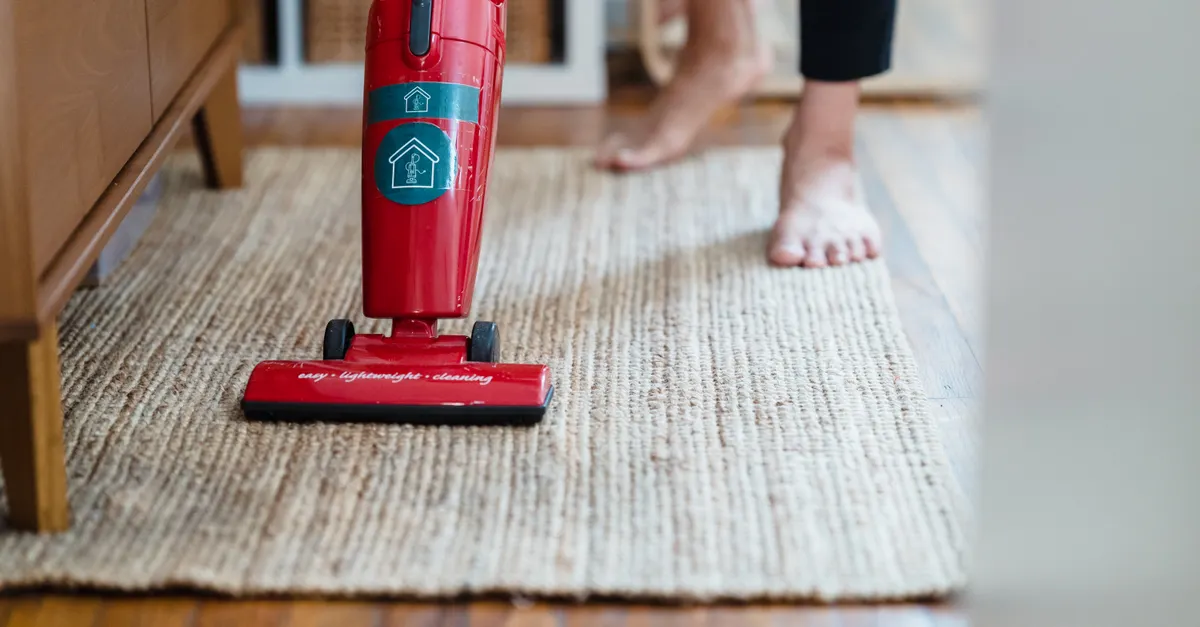
Low pile carpets are a popular flooring choice in homes and offices due to their sleek appearance, durability, and ease of maintenance. However, to keep them looking their best and extend their lifespan, it’s important to use the right vacuuming methods. Many people overlook the unique needs of these carpets, leading to less effective cleaning or even damage over time. This guide offers practical, research-backed advice on how to vacuum low pile carpets efficiently, covering settings, techniques, common mistakes, and maintenance tips to help you achieve a cleaner, longer-lasting carpet.
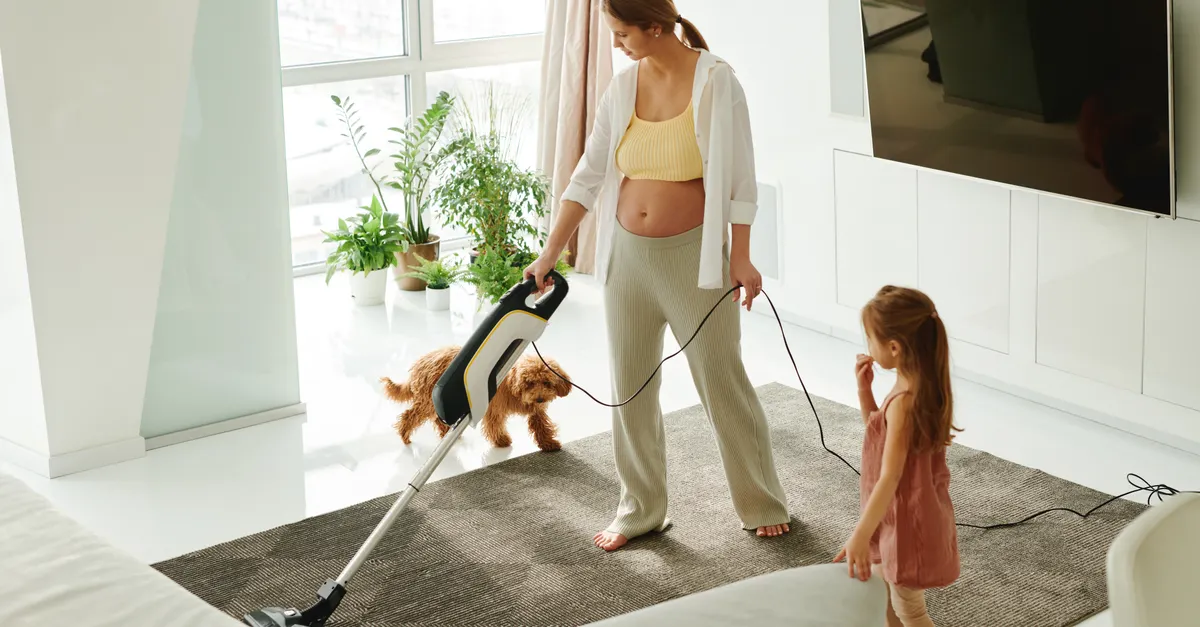
What Makes Low Pile Carpets Unique?
Before diving into vacuuming tips for low pile carpets, it’s helpful to understand what sets these carpets apart. A low pile carpet features short, tightly woven fibers that create a flat, dense surface. This construction makes them less likely to trap deep dirt and debris compared to high-pile or shag carpets, but it also means they can show dirt and wear more easily on the surface. Their structure requires specific cleaning approaches to avoid flattening the fibers or leaving behind residue.
Choosing the Right Vacuum Settings for Low Pile Carpets
One of the most important steps in caring for low pile carpets is selecting the optimal vacuum settings. Using the wrong height or suction can either leave dirt behind or damage the carpet’s fibers. According to manufacturer guidance and cleaning experts, the following settings are recommended:
- Height Adjustment: Set your vacuum’s height to its lowest setting. This allows the vacuum to make close contact with the carpet, maximizing dirt, dust, and debris removal. Both Facility Site and Kirby recommend this approach for low pile carpets, as it ensures efficient cleaning without excessive wear.
- Suction Power: Use moderate suction. While it may be tempting to use the highest suction, excessive force can pull at the tightly woven fibers, causing premature wear. Most modern vacuums allow you to adjust suction; aim for a setting that lifts debris without straining the carpet.
- Brush Roll: If your vacuum has a beater bar or brush roll, use it on a gentle setting. Aggressive brush action is unnecessary for low pile carpets and can cause fuzzing or matting. Some vacuums allow you to turn off the brush roll entirely, which can be beneficial for delicate low pile surfaces.
For more advice on adjusting your vacuum for different surfaces, you can check out these vacuuming tips for different carpet types to ensure your approach is tailored to your flooring.
Step-by-Step Techniques for Effective Cleaning
Using the right settings is only part of the equation. Effective vacuum techniques can make a significant difference in how clean your low pile carpet stays. Here’s a step-by-step approach:
- Prepare the Area: Remove small furniture, toys, and other obstacles from the carpet. This allows for uninterrupted vacuum strokes and ensures you reach all areas.
- Check and Empty the Vacuum Bag or Bin: A full vacuum bag or dustbin reduces suction power. Make sure it’s empty before you begin.
- Adjust the Vacuum Settings: Confirm the height and suction settings are appropriate for low pile carpets as described above.
- Vacuum Slowly and Overlap Strokes: Move the vacuum slowly in straight lines, overlapping each pass by about half the width of the vacuum head. This ensures thorough dirt removal, especially for fine dust that can settle on the surface.
- Change Directions: After completing one round, vacuum again at a 90-degree angle to your first pass. This helps lift fibers and catch debris missed in the initial direction.
- Use Attachments for Edges and Corners: Use the crevice tool or edge attachment to clean along baseboards and in tight spaces where the main vacuum head can’t reach.
- Inspect and Repeat as Needed: For high-traffic areas, consider going over the carpet a second time to ensure all dirt is removed.
Following these techniques not only improves cleanliness but also helps maintain the appearance and texture of your carpet. If you have pets, you may also benefit from specialized advice on pet hair removal for low pile carpet to tackle stubborn fur and dander.
Common Mistakes to Avoid When Vacuuming Low Pile Carpets
Even with the best intentions, it’s easy to make mistakes that can reduce cleaning effectiveness or harm your carpet. Here are some pitfalls to watch out for:
- Using the Wrong Height Setting: A vacuum set too high won’t pick up surface dirt, while too low can strain the motor and damage the carpet.
- Neglecting Vacuum Maintenance: Failing to clean or replace filters and brushes can reduce suction and spread dust rather than removing it. Regularly check your vacuum’s components for optimal performance.
- Vacuuming Too Quickly: Rushing through the task leaves behind debris and doesn’t allow the vacuum enough time to lift dirt from the fibers.
- Ignoring Edges and Corners: Dirt tends to accumulate at the edges of rooms. Skipping these areas can lead to visible buildup and uneven wear.
- Overusing the Brush Roll: Aggressive brush action can damage the short fibers of low pile carpets. Use a gentle setting or turn off the brush roll if possible.
By avoiding these mistakes, you’ll get better results and protect your carpet’s integrity over time.
How Proper Vacuuming Supports Carpet Longevity
Consistent and correct vacuuming is one of the most effective ways to preserve the look and feel of low pile carpets. Here’s how your routine affects carpet longevity:
- Prevents Dirt Accumulation: Regular removal of dirt and grit prevents these particles from grinding into the fibers, which can cause matting and abrasion.
- Reduces Allergens: Frequent vacuuming helps remove dust, pollen, and other allergens that can settle on the surface, improving indoor air quality.
- Maintains Appearance: Keeping the carpet free of debris helps it retain its color and texture, reducing the appearance of wear in high-traffic areas.
For most households, vacuuming low pile carpets at least twice a week is recommended. In homes with pets, children, or heavy foot traffic, more frequent cleaning may be necessary. Establishing a regular schedule and sticking to the right techniques can add years to your carpet’s life.
Comparing Vacuum Types for Low Pile Carpets
Not all vacuums are equally effective on low pile carpets. Here’s a quick comparison to help you choose the best option:
- Upright Vacuums: These are generally effective, especially models with adjustable height and suction. Look for a vacuum with a gentle brush roll or the option to turn it off.
- Canister Vacuums: Canister models often come with a range of attachments and allow for better maneuverability, making them ideal for reaching under furniture and cleaning edges.
- Stick Vacuums: Lightweight and easy to use, stick vacuums are suitable for quick cleanups but may lack the power of larger models. Choose one with adjustable settings for the best results.
- Robot Vacuums: These can maintain cleanliness between deeper cleanings but may struggle with heavy debris or edges. They’re best used as a supplement to regular vacuuming.
When shopping for a new vacuum, consider searching for vacuum for low pile carpet to find models specifically designed for this flooring type.
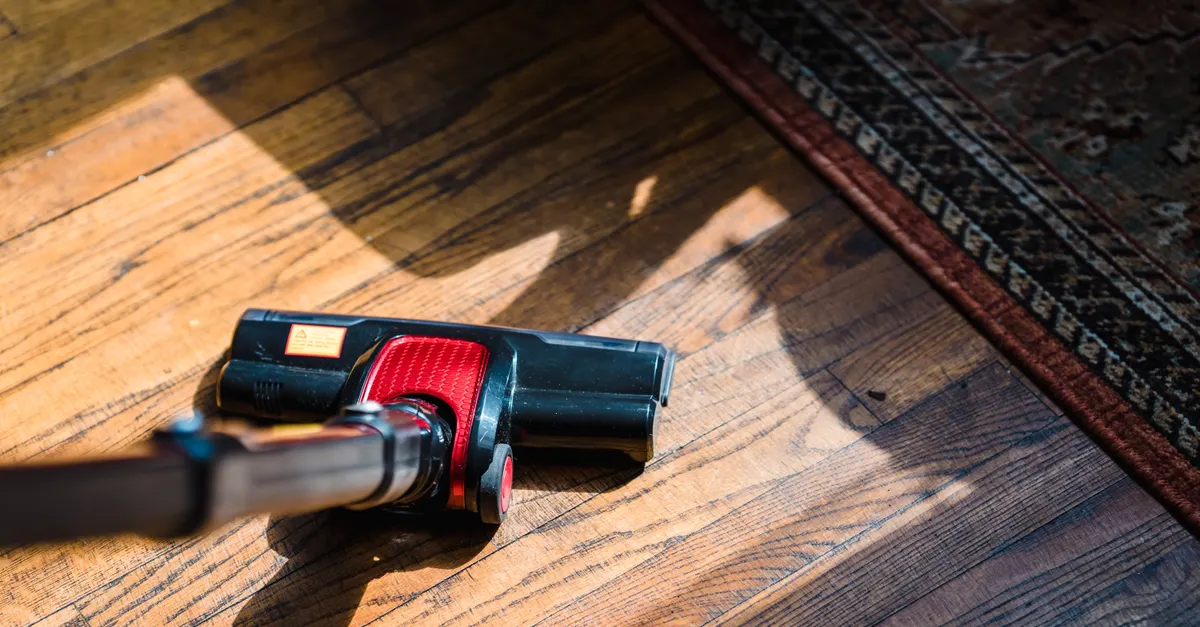
Frequently Asked Questions
What vacuum settings should I use on low pile carpets?
Set your vacuum’s height to the lowest setting and use moderate suction. This ensures close contact with the carpet for effective dirt removal without damaging the fibers. If your vacuum has a brush roll, use it on a gentle setting or turn it off if possible.
How often should I vacuum low pile carpets?
Vacuuming at least twice a week is ideal for most homes. Increase the frequency if you have pets, children, or high foot traffic to prevent dirt buildup and maintain carpet quality.
Can I use a robot vacuum on low pile carpets?
Yes, robot vacuums can help maintain cleanliness on low pile carpets, but they may not pick up all debris, especially along edges and in corners. Use them as a supplement to regular upright or canister vacuuming for best results.
Conclusion
Maintaining low pile carpets doesn’t have to be complicated, but it does require attention to detail. By using the correct vacuum settings, following effective cleaning techniques, and avoiding common mistakes, you can keep your carpets looking fresh and extend their lifespan. Remember to vacuum regularly, maintain your equipment, and tailor your approach to the unique needs of low pile surfaces. With these practical tips, your carpet will remain a clean and comfortable foundation for your home or office.