
Keeping carpets clean is essential for a healthy home environment and a fresh appearance. Whether you’re using a machine for the first time or looking to improve your cleaning routine, understanding carpet cleaner best practices can make a noticeable difference in your results. From preparation to maintenance, following proven methods helps extend the life of your flooring and ensures your cleaning efforts are truly effective.
In this guide, you’ll find practical advice for every step of the process, including tips on machine use, stain removal, and how to avoid common mistakes. For those interested in the differences between cleaning methods, see carpet cleaner vs steam cleaner for a detailed comparison.
Preparation Steps for Optimal Carpet Cleaning
Getting ready before using a carpet cleaning machine is just as important as the cleaning itself. Proper preparation ensures that dirt and debris don’t turn into mud or get pushed deeper into fibers. Here’s what to do before you start:
- Vacuum thoroughly: Remove as much dry soil, dust, and pet hair as possible. Pay special attention to high-traffic areas and corners.
- Move furniture: Shift lightweight furniture out of the way to access the entire carpeted area. Place aluminum foil or plastic under the legs of heavier pieces to prevent wood stains or rust.
- Spot-treat stains: Address visible spots with a suitable pre-treatment. Blot, don’t rub, to avoid spreading the stain.
- Check machine readiness: Inspect your carpet cleaner for blockages or suction issues. If you encounter problems, you may find how to fix carpet cleaner suction loss helpful.
Choosing the Right Cleaning Solution and Equipment
The type of cleaning solution and machine you use can impact both the cleanliness and longevity of your carpet. Not all products are created equal, and using the wrong formula may leave residues or even damage fibers.
- Use manufacturer-recommended solutions: These are designed to work with your machine and are less likely to cause buildup or void warranties.
- Select the right machine: For home use, compact models are often sufficient. For larger spaces or deep cleaning, consider a more powerful upright or rental machine. For more on choosing the best equipment, see best carpet cleaner for home use.
- Test in an inconspicuous area: Always check for colorfastness before cleaning the entire carpet.
Effective Cleaning Techniques for Superior Results
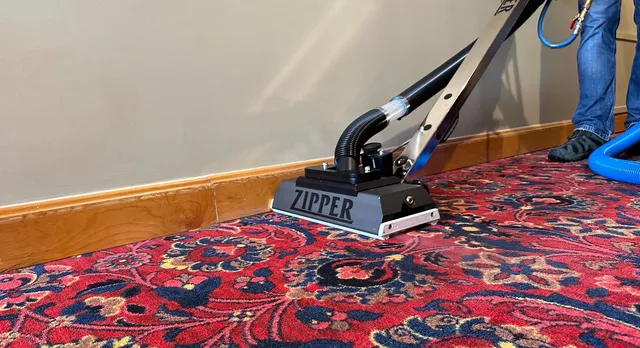
Applying proper cleaning methods is essential for achieving a deep clean without damaging your carpet. Here are some proven strategies:
- Work in sections: Clean small areas at a time to avoid missing spots and ensure even coverage.
- Don’t over-wet: Excess moisture can lead to mold, mildew, or shrinkage. Make slow, steady passes and avoid saturating the carpet.
- Use overlapping strokes: This helps lift embedded dirt and ensures no area is skipped.
- Rinse if possible: Some machines allow a water-only rinse to remove detergent residue, which can attract dirt if left behind.
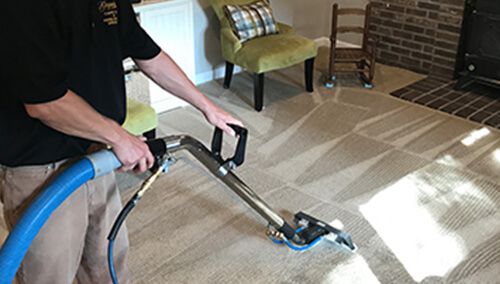
- Extract as much water as possible: Go over cleaned areas several times with just suction to speed up drying.
Post-Cleaning Care and Drying Tips
After cleaning, proper drying and care are crucial to prevent odors and keep carpets looking their best. Here’s how to finish the job:
- Ventilate the area: Open windows and use fans to increase airflow and reduce drying time.
- Keep traffic off: Avoid walking on damp carpet to prevent re-soiling and impressions.
- Replace furniture carefully: Wait until the carpet is fully dry before moving items back. Remove protective pads once dry.
- Brush or vacuum: Once dry, a quick vacuum or brushing helps restore the pile and remove any loosened dirt.
Common Mistakes to Avoid When Cleaning Carpets
Even with the right tools, certain habits can undermine your efforts. Avoid these pitfalls for consistently better outcomes:
- Skipping vacuuming: Failing to vacuum first can lead to muddy residue and less effective cleaning.
- Using too much detergent: Excess soap can leave sticky residues that attract more dirt.
- Not following drying protocols: Walking on wet carpet or replacing furniture too soon can cause stains and indentations.
- Ignoring machine maintenance: Clean your carpet cleaner’s tanks, brushes, and filters after each use to maintain performance. For more on the differences between cleaning devices, check carpet cleaner vs shampooer.
Professional Tips for Exceptional Carpet Cleaning
Experts in the industry often rely on specific techniques and products to achieve top-tier results. According to carpet cleaners used by professionals, using commercial-grade solutions and regular deep cleaning can significantly extend carpet life. Here are a few more pro tips:
- Schedule regular deep cleans: Even with frequent vacuuming, a thorough clean every 6–12 months is recommended.
- Address spills immediately: Quick action prevents stains from setting and makes removal easier.
- Rotate furniture: Changing the layout occasionally helps prevent wear patterns and keeps the carpet looking even.
- Understand your carpet type: Different fibers (nylon, wool, polyester) may require unique cleaning approaches. For more background, see what is a carpet cleaner for definitions and benefits.
Frequently Asked Questions
How often should I deep clean my carpets?
Most experts recommend deep cleaning carpets every 6 to 12 months, depending on foot traffic, pets, and household needs. High-traffic areas or homes with allergies may benefit from more frequent cleaning.
Can I use household detergents in my carpet cleaner?
It’s best to use cleaning solutions specifically formulated for carpet machines. Household detergents can cause excess suds, leave residues, or even damage your equipment.
What’s the difference between a carpet cleaner and a steam cleaner?
While both devices clean carpets, a carpet cleaner typically uses water and cleaning solution to scrub and extract dirt, while a steam cleaner uses high-temperature steam. For a detailed comparison, visit carpet cleaner vs steam cleaner.
Is it necessary to rinse the carpet after cleaning?
Rinsing with water-only (if your machine allows) can help remove any leftover detergent, reducing the risk of sticky residue and re-soiling.
How can I speed up carpet drying time?
Increase ventilation by opening windows, using fans, or running a dehumidifier. Extract as much water as possible with your machine and avoid walking on the carpet until it’s fully dry.
By following these carpet cleaner best practices and incorporating professional advice, you can keep your carpets looking clean and extend their lifespan. For more tips, explore related guides throughout this site.
