
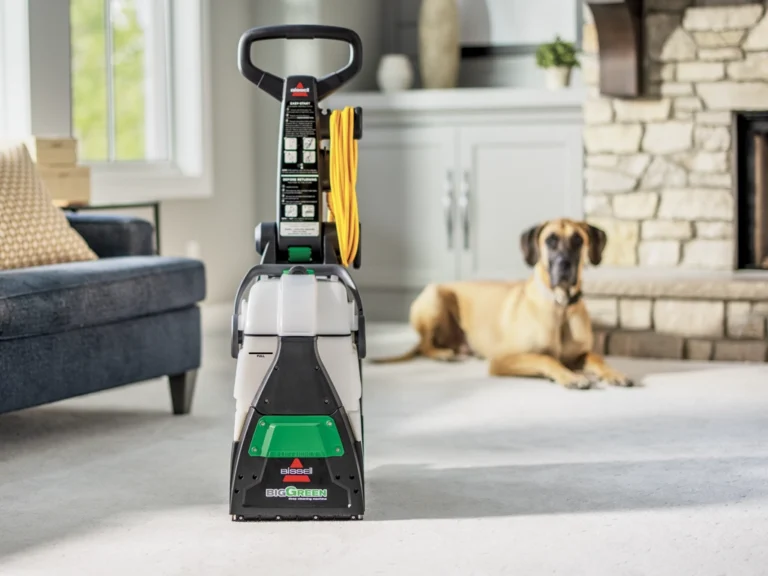
Learning how to use a carpet cleaner step by step guide can make a big difference in the cleanliness and longevity of your carpets. For those new to deep cleaning, the process may seem intimidating at first, but with the right approach, anyone can achieve professional-looking results at home. This article will walk you through the basics, from preparation to finishing touches, so you can confidently tackle dirt, stains, and odors in your living space.
Whether you’re using a rental machine or investing in your own, understanding the essential steps and tips will help you avoid common mistakes and get the most out of your cleaning session. If you’re curious about the differences between cleaning methods, you might also find it helpful to read about the carpet cleaner vs steam cleaner comparison for more context.
Why Deep Cleaning Carpets Matters
Regular vacuuming removes surface dirt, but it doesn’t reach the embedded grime and allergens that accumulate over time. Deep cleaning with a dedicated machine helps eliminate stubborn stains, dust mites, pet dander, and bacteria, improving indoor air quality and extending the life of your flooring. For a deeper understanding of what these machines do, check out this resource on what is a carpet cleaner and its benefits.
Essential Supplies and Preparation
Before starting, gather all necessary supplies to ensure a smooth process. Here’s what you’ll need:
- A carpet cleaning machine (rental or owned)
- Carpet cleaning solution (compatible with your machine)
- Vacuum cleaner
- Clean water for rinsing
- Protective gloves (optional)
- Furniture sliders or foil (to protect furniture legs)
Begin by removing small furniture and items from the area. Vacuum thoroughly to pick up loose debris—this step prevents dirt from turning into mud during wet cleaning. If you notice your machine isn’t picking up water effectively, you may want to review advice on how to fix carpet cleaner suction loss for troubleshooting tips.
Step-by-Step Carpet Cleaning Process
1. Pre-Treat Stains and High-Traffic Areas
Inspect your carpet for spots and heavily used zones. Apply a pre-treatment spray or a diluted cleaning solution to these areas and let it sit for 5–10 minutes. This loosens tough stains and makes the main cleaning more effective.
2. Prepare the Machine
Fill the clean water tank with hot tap water (not boiling) and add the recommended amount of carpet cleaning solution. Always follow the manufacturer’s instructions for your specific model. Secure all tanks and check that the machine is ready to operate.
3. Clean the Carpet in Sections
Start at the farthest corner of the room and work toward the exit to avoid stepping on wet carpet. Squeeze the trigger to release cleaning solution as you slowly push the machine forward. Release the trigger and pull the machine back to extract dirty water. Overlap each pass slightly to ensure even coverage.
For best results, avoid over-wetting the carpet. Too much moisture can lead to slow drying and potential mold growth. If you’re unsure about which type of machine to use, see the carpet cleaner vs shampooer article for a breakdown of options.
4. Rinse and Extract
Some machines have a rinse-only mode. If yours does, fill the clean water tank with plain water and repeat the cleaning process without adding solution. This helps remove any detergent residue, leaving your carpet softer and less sticky.
5. Allow Carpets to Dry Thoroughly
After cleaning, open windows or use fans to speed up drying. Avoid walking on the carpet until it’s completely dry, which may take several hours. Replace furniture only after the carpet is dry to the touch. Use foil or plastic under furniture legs to prevent stains.

Tips for Best Results
- Test cleaning solutions on a hidden area to check for colorfastness.
- Move slowly to allow the machine to extract as much water as possible.
- Empty dirty water tanks frequently to maintain suction power.
- Use recommended cleaning products to avoid damaging your machine or carpet fibers.
- Consider a second rinse if your carpet feels sticky after drying.
For more details on choosing the right device, see the best carpet cleaner for home use guide, which highlights top features and models.
Understanding How Carpet Cleaning Machines Work
These devices use a combination of water, cleaning solution, and suction to lift dirt from deep within carpet fibers. The process typically involves spraying the solution, agitating the fibers, and extracting the dirty water. For a more technical explanation, read this in-depth article on how carpet cleaners work.
Frequently Asked Questions
How Often Should I Deep Clean My Carpets?
Most experts recommend deep cleaning carpets every 6 to 12 months, depending on foot traffic, pets, and allergies. High-traffic areas or homes with children and pets may need more frequent cleaning.
Can I Use Homemade Cleaning Solutions?
While some homemade solutions are safe, always check your machine’s manual first. Using non-approved products can void warranties or damage the equipment. Stick to manufacturer-recommended cleaners for best results.
What Should I Do If My Carpet Remains Wet for Too Long?
Increase ventilation by opening windows and using fans. If the carpet is still damp after 24 hours, consider using a dehumidifier. Persistent moisture can lead to mold and mildew, so act quickly.
Is It Safe to Clean Wool or Delicate Carpets?
Delicate fibers like wool require special care. Always test a small area first and use a gentle, wool-safe cleaning solution. When in doubt, consult a professional cleaner.
Conclusion
Following a carpet cleaner step by step guide ensures that you achieve a thorough, even clean and protect your investment. By preparing properly, using the right techniques, and maintaining your equipment, you can keep your carpets looking fresh and extend their lifespan. For more cleaning tips and comparisons, explore related articles throughout this site.
