
Keeping your upholstered furniture and carpets looking fresh requires the right approach and tools. One of the most effective ways to tackle stains and embedded dirt is by using a dedicated upholstery attachment with your carpet cleaning machine. Understanding carpet cleaner upholstery tool usage can make a significant difference in the results you achieve, whether you’re dealing with everyday messes or deep-set grime.
This guide covers practical advice for using upholstery attachments, step-by-step cleaning instructions, and troubleshooting tips. You’ll also find insights on choosing between renting and buying equipment, as well as how to avoid common mistakes that can lead to issues like streaks or loss of suction. For a deeper dive into equipment decisions, check out this resource on renting vs buying a carpet cleaner.
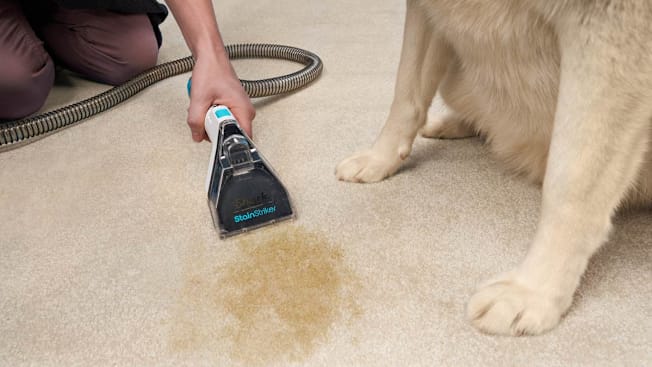
Understanding Upholstery Attachments for Carpet Cleaners
Upholstery tools are specialized attachments designed to clean delicate fabrics and hard-to-reach areas that standard carpet cleaner heads can’t access. These tools typically feature a smaller head, gentle bristles, and a spray nozzle to apply cleaning solution directly to the fabric. Mastering carpet cleaner upholstery tool usage ensures you can safely and effectively refresh sofas, chairs, car interiors, and even mattresses.
- Gentle Cleaning: The reduced suction and softer bristles protect delicate fibers.
- Targeted Application: Direct spray and extraction help lift stains without over-wetting.
- Versatility: Suitable for a range of fabrics, from synthetic blends to natural fibers.
Preparing for Cleaning: What You Need to Know
Before you begin, it’s important to check the manufacturer’s care label on your furniture or upholstery. Some fabrics may require dry cleaning or have specific restrictions regarding water or cleaning solutions. Always test a small, inconspicuous area first to ensure colorfastness and fabric compatibility.
Gather the following supplies for optimal results:
- Carpet cleaning machine with upholstery attachment
- Recommended cleaning solution (never substitute with harsh chemicals)
- Clean, white towels for blotting
- Vacuum cleaner for pre-cleaning
- Protective gloves (optional for sensitive skin)
Step-by-Step Guide to Using Upholstery Tools
Effective carpet cleaner upholstery tool usage involves a few key steps to ensure thorough cleaning and prevent damage:
- Vacuum First: Remove loose dirt, dust, and debris from the fabric surface using a vacuum with an upholstery brush. This prevents grit from being ground into the fibers during wet cleaning.
- Prepare the Machine: Fill the clean water tank with warm water and the recommended amount of cleaning solution. Attach the upholstery tool securely to the hose or designated port.
- Test a Hidden Area: Spray a small amount of solution on an unseen section. Wait a few minutes and blot with a towel to check for color transfer or fabric distortion.
- Clean in Sections: Press the trigger to spray solution as you slowly move the tool over the fabric. Use overlapping strokes for even coverage. Release the trigger and make dry passes to extract as much moisture as possible.
- Blot and Dry: Use clean towels to blot excess moisture. Allow the upholstery to air dry completely before using the furniture.

Tips for Getting the Best Results with Upholstery Attachments
To maximize the effectiveness of your upholstery cleaning tool, keep these tips in mind:
- Don’t Oversaturate: Excess moisture can lead to mold, mildew, or water stains. Use the spray trigger sparingly and always follow with dry extraction passes.
- Work in Small Areas: Cleaning manageable sections allows for better control and ensures even coverage.
- Use Gentle Pressure: Avoid pressing too hard, which can damage delicate fabrics or push stains deeper.
- Rinse the Tool: After cleaning, run clean water through the tool to remove any residue and prevent clogging.
- Allow Ample Drying Time: Open windows or use fans to speed up drying and prevent lingering odors.
If you notice streaks or uneven cleaning, review these tips for preventing marks and streaks to improve your technique.
Common Mistakes and How to Avoid Them
Even with the right equipment, mistakes can happen. Here are some frequent issues users encounter when using upholstery attachments, along with solutions:
- Using Too Much Solution: Over-applying cleaner can saturate the fabric and leave behind sticky residues. Always follow manufacturer dilution instructions.
- Skipping Pre-Vacuuming: Failing to remove dry debris first can result in muddy streaks and less effective cleaning.
- Ignoring Maintenance: Dirty or clogged tools reduce suction and cleaning power. If you experience reduced performance, see this guide on how to fix carpet cleaner suction loss.
- Cleaning Incompatible Fabrics: Always check care labels and avoid water-based cleaning on sensitive materials like silk or velvet.
Comparing Carpet Cleaners and Steam Cleaners for Upholstery
While both carpet cleaners and steam cleaners can be used for upholstery, they operate differently. Carpet cleaners use water and cleaning solution to lift dirt, while steam cleaners rely on high-temperature steam to sanitize and break down grime. For a detailed comparison, see this guide on steam cleaner vs carpet cleaner.
- Carpet Cleaners: Best for removing stains and deep cleaning with extraction.
- Steam Cleaners: Effective for sanitizing and deodorizing, but may not extract as much moisture.
- Upholstery Tools: Designed to work with both types, but always check compatibility with your machine and fabric.
Troubleshooting and Maintenance Tips
Regular maintenance of your upholstery tool and carpet cleaner is essential for consistent performance. If you notice issues such as poor suction, streaks, or the brush not spinning, refer to these resources:
- Carpet cleaner brush not spinning: causes and solutions
- Carpet cleaner common problems and how to fix them
After each use, rinse the upholstery tool thoroughly and let it dry before storing. Empty and clean the dirty water tank to prevent odors and bacteria buildup. Inspect hoses and nozzles for blockages, and replace filters as recommended by the manufacturer.
Frequently Asked Questions
How often should I use an upholstery tool on my furniture?
For most households, cleaning upholstered furniture every 3–6 months is sufficient. High-traffic areas or homes with pets and children may benefit from more frequent cleaning.
Can I use a carpet cleaner attachment on all types of upholstery?
Not all fabrics are suitable for wet cleaning. Always check the care label and test a small area first. Avoid using water-based cleaners on silk, velvet, or other sensitive materials.
What should I do if my upholstery tool leaves streaks or doesn’t pick up water?
Streaks or poor extraction are often caused by clogged nozzles, dirty filters, or incorrect technique. Clean the tool thoroughly, check for blockages, and ensure you’re using the correct amount of solution. For persistent issues, refer to troubleshooting guides or contact the manufacturer.
Is it better to rent or buy a carpet cleaner for upholstery cleaning?
Renting can be cost-effective for occasional use, while buying offers convenience for frequent cleaning. Consider your needs, budget, and storage space. For a detailed comparison, see the article on renting vs buying a carpet cleaner.
