
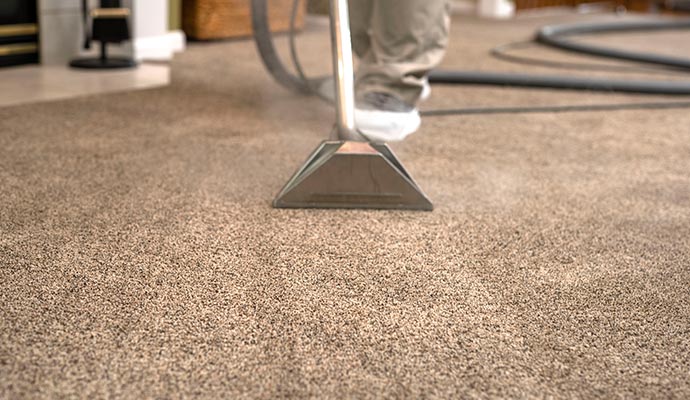
Area rugs add warmth, comfort, and style to any room, but keeping them clean without causing harm can be a challenge. Whether you have a delicate wool runner, a vibrant synthetic area rug, or a family heirloom, knowing how to clean area rugs without damage is essential for maintaining their appearance and longevity. This guide covers proven, gentle methods for removing dirt, stains, and allergens while protecting your rug’s fibers and backing.
Before diving into cleaning routines, it’s important to understand your rug’s material and construction. Each type—wool, cotton, synthetic, or natural fiber—responds differently to moisture, detergents, and agitation. By following the right steps, you can keep your rugs looking fresh and extend their lifespan.
For those dealing with pet hair or persistent debris, you may also find value in our pet hair removal from carpet indoor hygiene tips, which offer practical advice for maintaining a cleaner home environment.
Understanding Rug Materials and Their Cleaning Needs
The first step in any safe cleaning process is identifying your rug’s material. Wool, cotton, synthetics (like nylon or polyester), and natural fibers (such as jute or sisal) each have unique characteristics. Wool is resilient but sensitive to harsh chemicals and excessive moisture. Cotton rugs are generally more forgiving but can shrink if saturated. Synthetic rugs tolerate a wider range of cleaners, while natural fiber rugs require extra caution due to their absorbency and tendency to stain.
- Wool: Use cool water and gentle, wool-safe detergents. Avoid scrubbing and high heat.
- Cotton: Mild soap and water work well, but avoid soaking the rug.
- Synthetics: Most can handle standard carpet cleaners, but always test a small area first.
- Natural fibers: Dry cleaning methods are safest; avoid excess moisture.
Routine Maintenance for Area Rugs
Regular upkeep is the best way to prevent dirt buildup and stains. Here’s how to maintain your rugs without risking harm:
- Vacuum frequently: Use a vacuum with adjustable suction and avoid aggressive beater bars, especially on delicate or looped rugs.
- Shake out dust: For smaller rugs, take them outside and give them a gentle shake to remove loose dirt.
- Rotate rugs: Every few months, rotate your rugs to ensure even wear and fading.
- Spot clean spills: Blot (never rub) spills immediately with a clean, dry cloth. Use a mild cleaning solution if needed, testing it on a hidden area first.
Gentle Deep Cleaning Methods
Even with regular care, area rugs occasionally need a deeper clean. Here are safe approaches for a thorough refresh:
Hand Washing for Delicate Rugs
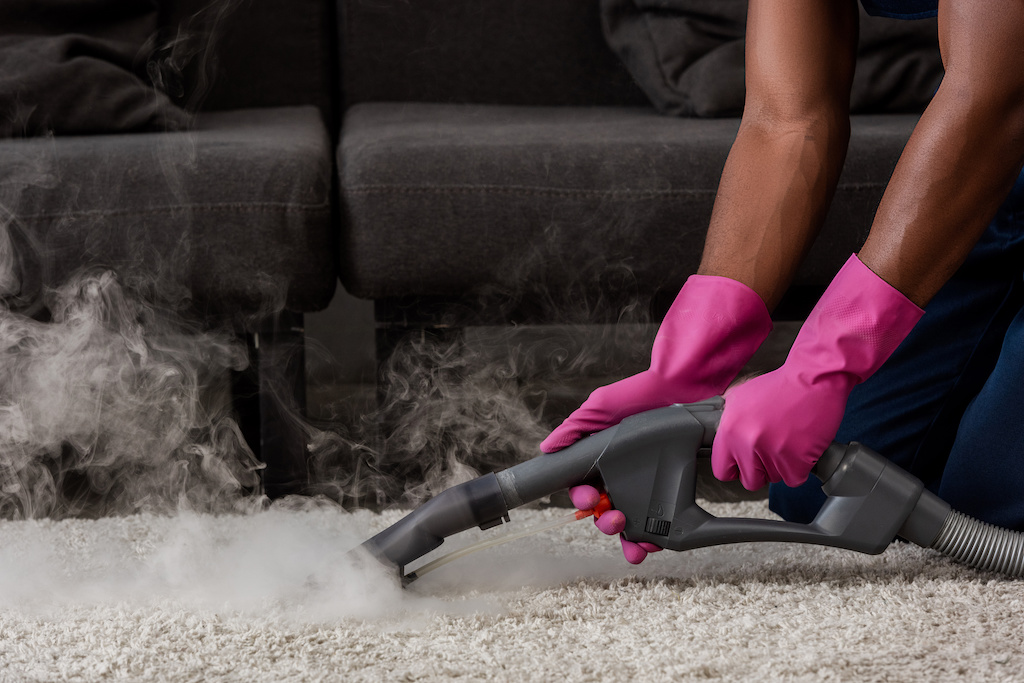
For wool, cotton, and handwoven rugs, hand washing is often the safest deep cleaning method. Lay the rug flat on a clean surface, vacuum both sides, and mix a small amount of gentle detergent with cool water. Using a soft sponge or cloth, lightly scrub the surface, working in the direction of the pile. Rinse with clean water, blot excess moisture with towels, and allow the rug to air dry completely before returning it to its place.
Steam Cleaning and Professional Services
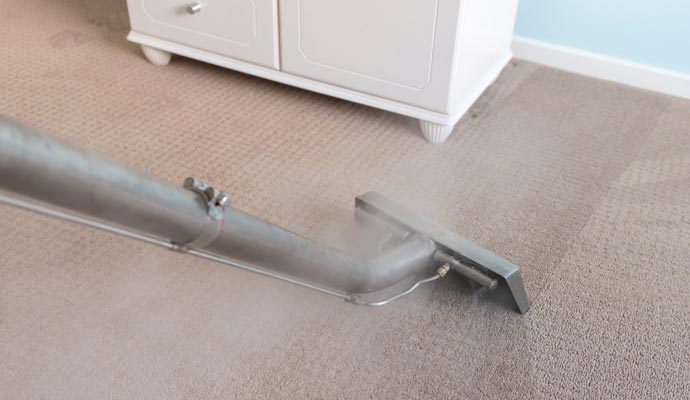
Steam cleaning can be effective for many synthetic and some wool rugs, but it must be done carefully to avoid overwetting or shrinking. Always check the manufacturer’s care label before using a steam cleaner. If you’re unsure, consider hiring a professional. For more on what to expect from a service visit, see this guide to professional carpet cleaning appointments.
Dry Cleaning for Sensitive Fibers
Natural fiber rugs like jute, sisal, and seagrass should never be saturated with water. Instead, use a dry cleaning powder or foam designed for carpets. Sprinkle the product over the rug, gently work it in with a soft brush, and vacuum thoroughly after the recommended dwell time. This method lifts dirt and odors without risking water damage.
Spot Cleaning Stains Without Harming Your Rug
Accidents happen, but quick action can prevent permanent stains. The key is to blot up as much of the spill as possible with a clean, absorbent cloth. For most stains, a solution of mild dish soap and cool water is effective. Avoid using bleach, ammonia, or harsh chemicals, which can break down fibers and fade colors.
- Blot, don’t rub: Rubbing can push the stain deeper and fray fibers.
- Test cleaners: Always test any cleaning solution on a hidden part of the rug first.
- Rinse and dry: After treating the spot, blot with clean water to remove residue, then dry thoroughly.
For households with pets, you might also be interested in our tips for pet hair removal from carpet without damaging fibers, which can help keep your rugs looking their best.
Tips for Preventing Damage During Cleaning
To ensure your cleaning efforts don’t cause harm, keep these precautions in mind:
- Read care labels: Manufacturer instructions are the best guide for safe cleaning.
- Avoid overwetting: Too much moisture can cause shrinkage, color bleeding, or mildew.
- Use gentle products: Choose pH-neutral, non-bleach cleaners whenever possible.
- Dry thoroughly: Allow rugs to dry flat and completely before placing them back on the floor to prevent mold and odor.
- Protect backing: If your rug has a latex or rubber backing, avoid hot water and harsh chemicals that can cause deterioration.
Frequently Asked Questions
How often should I clean my area rugs to keep them in good condition?
Vacuuming once or twice a week is ideal for most homes. Deep cleaning is recommended every 12–18 months, or more often in high-traffic areas or homes with pets and children.
Can I use a carpet cleaner machine on all types of area rugs?
Not all rugs are suitable for machine cleaning. Synthetic rugs often tolerate it, but wool, silk, and natural fiber rugs may require hand washing or dry cleaning. Always check the care label and test a small area first.
What should I do if my rug develops a musty odor after cleaning?
A musty smell usually means the rug hasn’t dried completely. Move it to a well-ventilated area, use fans, and ensure both the surface and backing are dry. If the odor persists, a professional cleaning may be necessary.
Are there any special steps for removing pet hair from area rugs?
Yes, using a vacuum with a pet hair attachment or a rubber broom can help lift hair from rug fibers. For more strategies, see our article on pet hair removal from carpet fast cleaning tips.
Keeping your rugs clean doesn’t have to be complicated or risky. By following these safe and effective methods, you can enjoy beautiful, fresh-smelling rugs for years to come—without the worry of accidental damage.
