
Dealing with how to clean heavily soiled carpets can be a daunting task, especially when stains, dirt, and odors have built up over time. Whether you’re facing years of foot traffic, pet accidents, or unexpected spills, restoring your flooring to a fresh and hygienic state is possible with the right approach. This guide covers proven methods, essential tools, and expert tips to help you tackle even the most challenging carpet cleaning situations.
Before diving into deep cleaning, it’s important to understand the type of carpet you have and the nature of the soiling. Some fibers respond better to certain treatments than others, and knowing what you’re working with can prevent accidental damage. If pet hair is also a concern, you might find additional strategies in our pet hair removal from carpet indoor hygiene tips article.
Initial Steps for Tackling Stubborn Carpet Dirt
The first step in addressing heavily soiled carpets is to remove as much loose debris as possible. Begin by thoroughly vacuuming the area, making several slow passes in different directions. This helps lift embedded dirt and prepares the fibers for deeper cleaning.
- Move furniture out of the way to access the entire carpeted area.
- Use a vacuum with strong suction and, if available, a beater bar or brush roll for agitation.
- Pay special attention to high-traffic zones and corners where grime accumulates.
For carpets with significant pet hair, consider reviewing pet hair removal from carpet fast cleaning tips for additional advice.
Spot Treatment: Addressing Stains and Odors
Before proceeding with full-scale cleaning, treat visible stains and problem areas. Use a dedicated carpet stain remover or a homemade solution of white vinegar and water (always test in an inconspicuous spot first). Blot stains—never rub—to avoid spreading or pushing them deeper.
- Apply the cleaning solution to the stained area.
- Let it sit for 5–10 minutes to break down the soil.
- Blot gently with a clean, absorbent cloth.
- Repeat as needed for persistent spots.
For organic stains (like food or pet accidents), enzymatic cleaners can be especially effective. These products break down proteins and help eliminate lingering odors.
Deep Cleaning Methods for Severely Soiled Carpets
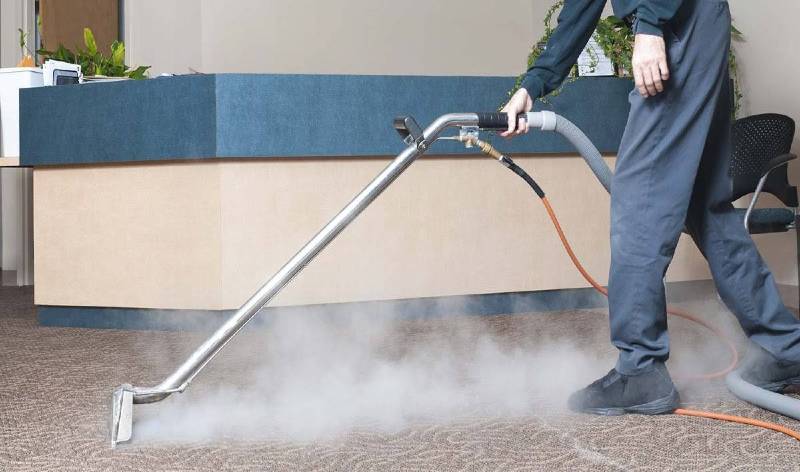
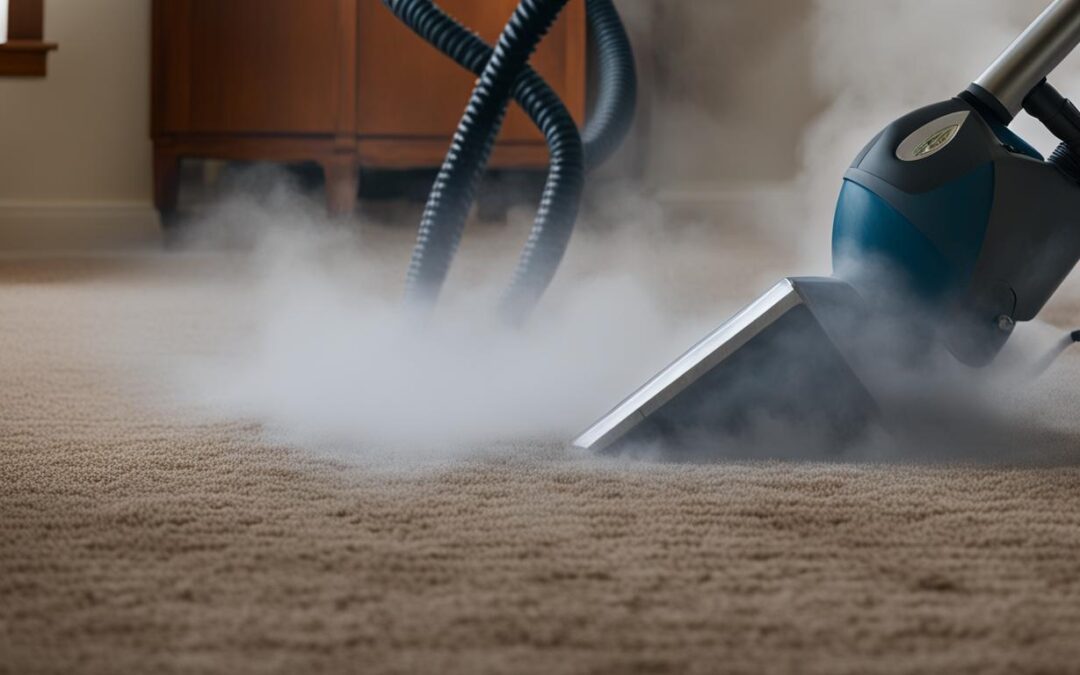
Once surface debris and stains are addressed, it’s time for a thorough deep clean. The most effective technique for how to clean heavily soiled carpets is steam cleaning (also known as hot water extraction). This method uses hot water and cleaning agents to penetrate deep into the fibers, loosening dirt and extracting it with powerful suction.

How to Use a Steam Cleaner for Deep Cleaning
Renting or purchasing a steam cleaner can make a significant difference in restoring dirty carpets. Here’s a step-by-step overview:
- Fill the machine with hot water and the recommended cleaning solution.
- Work in small sections, slowly pushing the machine forward to inject water and solution, then pulling back to extract dirty water.
- Go over heavily soiled areas multiple times, but avoid over-wetting the carpet.
- Allow ample drying time, using fans or open windows to speed up the process.
For a detailed walkthrough, see this step-by-step guide to steam cleaning carpets.
Alternative Approaches for Cleaning Deeply Embedded Dirt
If steam cleaning isn’t an option, consider these alternatives:
- Dry carpet cleaning powders: Sprinkle, brush in, and vacuum up after the recommended dwell time.
- Shampoo machines: These agitate and lift dirt but may leave more residue than steam cleaners.
- Bonnet cleaning: Suitable for commercial settings, this uses a rotating pad to absorb surface soil.
Always follow manufacturer instructions for both your carpet and cleaning equipment to avoid damage.
Maintaining Results After Deep Cleaning
Once your carpet is clean, regular maintenance is key to preventing future heavy soiling. Here are some practical tips:
- Vacuum at least twice a week, more often in high-traffic areas.
- Address spills and stains immediately to prevent them from setting.
- Use entry mats and remove shoes indoors to reduce tracked-in dirt.
- Schedule professional cleaning every 12–18 months for best results.
For homes with pets, maintaining a routine can also help minimize hair and dander buildup. Explore our pet hair removal from carpet without damaging fibers resource for more targeted advice.
Common Mistakes to Avoid When Cleaning Carpets
Even with the best intentions, certain errors can make cleaning less effective or even damage your carpet. Here are some pitfalls to watch out for:
- Over-wetting: Using too much water can lead to mold, mildew, and lingering odors.
- Skipping vacuuming: Always vacuum before and after deep cleaning to remove loose dirt and cleaning residues.
- Using the wrong products: Not all cleaners are safe for every carpet type. Check labels and test in hidden areas.
- Ignoring drying time: Walking on damp carpet can re-soil fibers and cause matting.
FAQ: Answers to Common Carpet Cleaning Questions
How often should I deep clean my carpets if they get very dirty?
For homes with heavy foot traffic, pets, or frequent spills, deep cleaning every 6–12 months is recommended. High-traffic areas may need more frequent attention, while less-used rooms can go longer between treatments.
Can I use household products for spot cleaning?
Yes, mild solutions like diluted white vinegar or baking soda can help with minor stains. However, for how to clean heavily soiled carpets or set-in stains, professional-grade products or equipment are more effective and safer for carpet fibers.
What’s the best way to keep carpets clean between deep cleans?
Regular vacuuming, prompt stain removal, and using doormats at entrances are key. For pet owners, a consistent cleaning routine and tools designed for hair removal can make a big difference. You can find more tips in our guide on pet hair removal routine for busy pet owners.
Is steam cleaning safe for all carpet types?
Most synthetic carpets tolerate steam cleaning well, but delicate natural fibers like wool may require gentler methods. Always check the manufacturer’s care instructions before using any deep cleaning equipment.
