
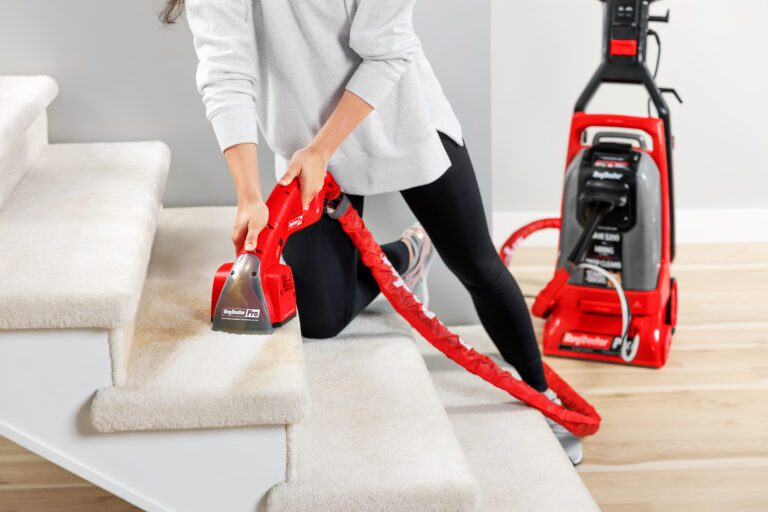
After investing time and effort into cleaning your carpets, it can be frustrating to see them become dirty again soon after. How to prevent carpet re-soiling is a common concern for anyone wanting to keep their floors looking fresh and prolong the life of their carpet. Understanding the causes of rapid re-soiling and adopting effective maintenance strategies can make a significant difference in keeping carpets cleaner for longer.
This guide covers practical steps to minimize dirt buildup, explains why some carpets seem to attract grime after cleaning, and offers actionable tips for maintaining a spotless appearance. Whether you use a machine at home or hire professionals, these insights will help you get the most out of your carpet care routine.
For those considering an upgrade to their cleaning routine, learning about the best carpet cleaner for home use can help you choose equipment that delivers a deeper clean and reduces the risk of rapid re-soiling.
Understanding Why Carpets Get Dirty Again Quickly
Many people notice that their carpets appear to attract dirt more quickly after a thorough cleaning. This is often due to residue left behind by cleaning solutions or improper rinsing. When detergents are not fully extracted, they leave a sticky film that acts like a magnet for dust and debris. High-traffic areas are especially vulnerable, as foot traffic presses soil into carpet fibers.
Other factors that contribute to rapid re-soiling include:
- Using too much cleaning solution or not rinsing thoroughly
- Allowing carpets to remain damp for too long
- Not vacuuming regularly after cleaning
- Bringing in dirt from shoes or pets
Essential Steps to Minimize Re-Soiling After Carpet Cleaning
To keep carpets looking their best, it’s important to follow a few key steps immediately after cleaning. These practices help prevent new dirt from sticking and extend the period between deep cleans.
Proper Rinsing and Extraction
One of the most effective ways to avoid re-soiling is to ensure all cleaning agents are thoroughly removed. When using a carpet cleaner, go over the area with clean water to rinse out any remaining detergent. Make several dry passes with the machine to extract as much moisture as possible. This step is crucial for preventing sticky residues that attract dirt.
Allowing Carpets to Dry Completely
Damp carpets are more likely to collect dust and debris. After cleaning, increase airflow in the room by opening windows or using fans. Avoid walking on the carpet until it is fully dry. If possible, keep pets and children away during this period to reduce the risk of new stains.
Using the Right Cleaning Products
Not all carpet shampoos and spot removers are created equal. Choose products designed for your carpet type and avoid those with high levels of soap or harsh chemicals. Some solutions are formulated to leave minimal residue, reducing the chance of rapid re-soiling. For more information on the differences between cleaning methods, see this comparison of carpet cleaner vs steam cleaner.
Routine Maintenance to Keep Carpets Cleaner for Longer
Consistent care is key to preventing dirt buildup between deep cleans. Here are some practical tips to help maintain a clean carpet:
- Vacuum regularly: Aim to vacuum high-traffic areas at least twice a week. This removes surface dirt before it settles deeper into the fibers.
- Use doormats: Place mats at entrances to trap dirt and moisture before they reach your carpet.
- Remove shoes indoors: Encourage family and guests to take off their shoes to reduce the amount of debris tracked inside.
- Spot clean spills promptly: Address stains as soon as they occur to prevent them from setting and attracting more dirt.
- Schedule professional cleaning: An annual or biannual deep clean by professionals can help remove embedded dirt and refresh carpet fibers.
Advanced Tips for Long-Term Carpet Protection
In addition to basic maintenance, there are advanced strategies that can further reduce the risk of re-soiling:
- Apply carpet protectant: After cleaning, consider using a protective spray designed to repel spills and dirt. This creates a barrier that makes future cleaning easier.
- Groom carpet fibers: Use a carpet rake or brush to lift flattened fibers and distribute protectant evenly. This also helps the carpet dry faster.
- Control indoor humidity: High humidity can cause carpets to stay damp longer, increasing the risk of mold and soiling. Use a dehumidifier if needed.
- Rotate furniture: Moving furniture occasionally prevents wear patterns and allows for more thorough cleaning in previously covered areas.
Common Mistakes That Lead to Rapid Re-Soiling
Even with the best intentions, certain habits can undo your cleaning efforts. Avoid these common pitfalls to help your carpets stay clean:
- Over-wetting: Using too much water during cleaning can leave carpets damp for extended periods, attracting more dirt.
- Skipping the rinse: Failing to rinse out cleaning solutions thoroughly leaves behind residues that trap soil.
- Neglecting regular vacuuming: Dirt left on the surface quickly works its way into the fibers, making future cleaning more difficult.
- Using the wrong products: Some household cleaners are not designed for carpets and may cause more harm than good.
For a deeper understanding of cleaning methods and their effectiveness, you can read about why professional steam cleaning is effective and how it differs from DIY approaches.
Expert Advice and Additional Resources
If you want to learn more about carpet care, this comprehensive carpet cleaning guide provides further insights into cleaning techniques, product recommendations, and maintenance tips.
For more definitions and practical advice, see what is a carpet cleaner and how different machines can impact your results. If you’re comparing options, you might also find it useful to review the differences between carpet cleaners and shampooers for your home.
Frequently Asked Questions
What causes carpets to get dirty soon after cleaning?
The most common reason is leftover cleaning solution that leaves a sticky residue, attracting dust and dirt. Inadequate rinsing, over-wetting, and insufficient drying can also contribute to rapid re-soiling.
How can I make my carpet stay clean longer after washing?
Ensure all cleaning agents are thoroughly rinsed out, allow carpets to dry completely, vacuum regularly, and use protective measures like doormats and carpet protectants. Promptly address spills and avoid walking on damp carpets.
Is professional cleaning better for preventing re-soiling?
Professional services often use advanced equipment that extracts more residue and moisture, reducing the risk of sticky buildup. However, proper DIY cleaning with the right techniques and products can also be effective if done carefully.
