
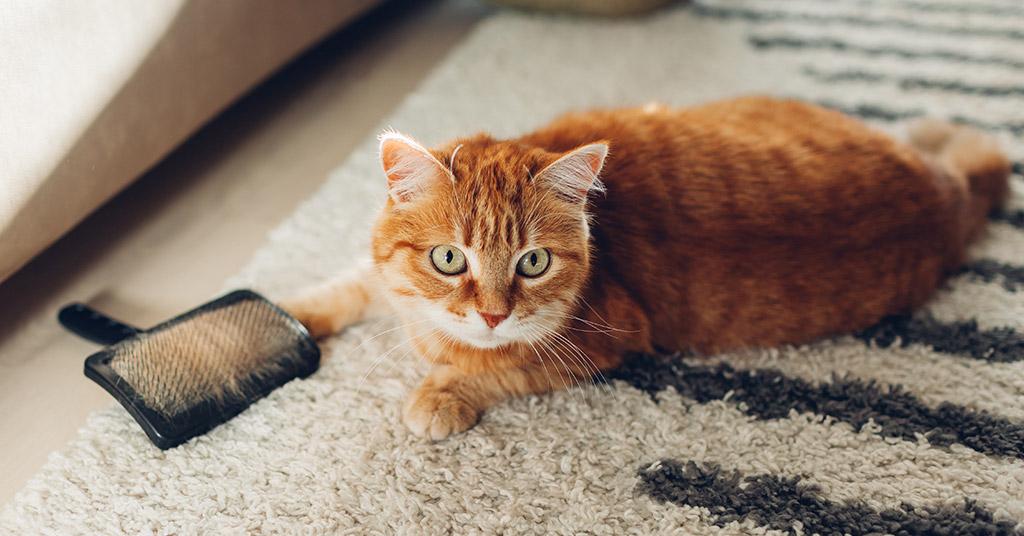
Pet owners know the struggle: no matter how often you vacuum, stubborn fur seems to cling to carpets. Traditional cleaning methods can be time-consuming and often leave behind traces of hair, especially in high-traffic areas or plush rugs. Fortunately, using a silicone brush offers a practical and efficient solution for tackling embedded pet hair. This guide explores proven techniques, expert tips, and clever hacks to help you keep your carpets cleaner and more hygienic with minimal effort.
Whether you’re dealing with daily shedding or preparing for a deep clean, understanding how to use a silicone brush effectively can make a noticeable difference. We’ll cover the benefits of silicone tools, step-by-step instructions, and how these methods compare to other popular options. For those interested in additional strategies, you can also explore pet hair removal from carpet indoor hygiene tips for more comprehensive advice.
Why Silicone Brushes Are Effective for Removing Pet Hair
Unlike traditional bristle brushes or lint rollers, silicone brushes are designed to attract and lift hair from carpet fibers using static electricity and flexible rubber bristles. This makes them particularly effective for pet hair removal from carpet using silicone brush techniques. The soft, non-abrasive material is gentle on delicate surfaces and won’t damage your carpet, making it a safe choice for regular use.
- Static attraction: Silicone bristles generate static, which helps pull hair from deep within the carpet pile.
- Easy to clean: Hair doesn’t stick to silicone, so you can quickly rinse or wipe the brush after each use.
- Durable and reusable: These brushes last longer than disposable lint rollers and don’t require replacement sheets.
Step-by-Step Guide: Using a Silicone Brush for Carpet Cleaning
To get the best results, follow these steps for efficient pet hair removal:
- Prepare the area: Remove any large debris or objects from the carpet. This allows the brush to make direct contact with the fibers.
- Brush in short strokes: Hold the silicone brush at a slight angle and use short, firm strokes. Move in one direction to gather hair into piles.
- Collect the hair: Once you’ve formed a pile, pick it up by hand or use a vacuum to remove it.
- Repeat as needed: For heavily soiled areas, go over the spot multiple times, changing direction to catch embedded hair.
- Clean the brush: Rinse the silicone brush under water or wipe it with a damp cloth to remove accumulated fur.
For more details on safe cleaning, see pet hair removal from carpet without damaging fibers for tips on protecting your carpet during the process.

Silicone Brush Hacks for Stubborn Pet Hair
Some areas of your carpet may be more challenging, especially where hair is deeply embedded. Here are a few hacks to boost your results:
- Lightly dampen the brush: A slightly wet silicone brush can help grab more hair, but avoid soaking the carpet.
- Use a squeegee motion: For low-pile carpets, try dragging the brush as you would a window squeegee to gather hair efficiently.
- Combine with vacuuming: After loosening hair with the brush, vacuum the area to pick up any remaining debris.
- Target high-traffic zones: Focus on entryways, pet beds, and play areas where fur accumulates most.
If you’re looking for quick solutions, check out pet hair removal from carpet fast cleaning tips for more rapid methods.
Comparing Silicone Brushes to Other Pet Hair Removal Tools
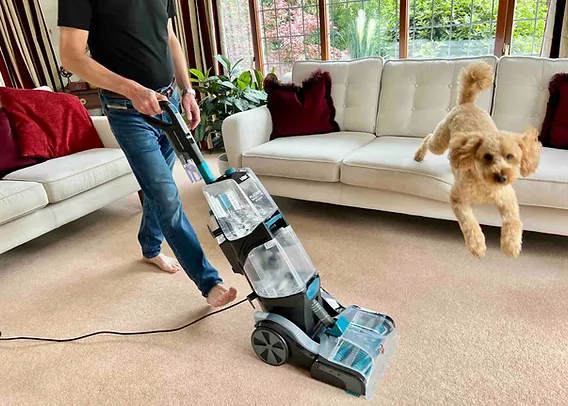
While silicone brushes are highly effective, it’s helpful to understand how they stack up against other cleaning tools:
| Tool | Effectiveness | Best For | Maintenance |
|---|---|---|---|
| Silicone Brush | High for most carpet types | Routine cleaning, deep fur removal | Easy to rinse and reuse |
| Vacuum Cleaner | Good, but may miss embedded hair | Large areas, final cleanup | Requires filter/bag changes |
| Lint Roller | Moderate | Small spots, upholstery | Disposable sheets |
| Rubber Broom | High for hard floors, moderate for carpet | Multi-surface cleaning | Washable head |
For more on technique, see pet hair removal from carpet using pulling motion for specialized advice on stubborn hair.
Maintaining a Pet Hair-Free Carpet
Regular maintenance is key to minimizing fur buildup. Here are some practical tips:
- Brush your pets frequently: Regular grooming reduces shedding and keeps carpets cleaner.
- Vacuum at least twice a week: Use a vacuum with a pet hair attachment for best results.
- Spot clean high-traffic areas: Use your silicone brush for quick touch-ups between deep cleans.
- Wash pet bedding regularly: This prevents hair from transferring back onto your carpets.
For a thorough clean, consider pet hair removal before steam cleaning carpet to ensure your efforts are as effective as possible.
For a broader look at keeping your home fresh, you might also find value in this comprehensive guide to maintaining a clean home with pets.
Frequently Asked Questions
How often should I use a silicone brush on my carpet?
For homes with heavy shedders, using a silicone brush two to three times a week is recommended. In lower-traffic areas or for light shedders, once a week is usually sufficient to keep fur under control.
Will a silicone brush damage my carpet fibers?
No, silicone brushes are gentle and designed to be safe for most carpet types. Their flexible bristles lift hair without pulling or fraying fibers, making them suitable for both low-pile and plush carpets.
Can I use a silicone brush on wet or damp carpets?
It’s best to use the brush on dry carpets for optimal results. However, lightly dampening the brush (not the carpet) can help with stubborn hair. Avoid using on soaked carpets, as this may spread dirt or cause matting.
Is a silicone brush effective for pet hair on upholstery?
Yes, silicone brushes work well on sofas, chairs, and car interiors. Their non-abrasive bristles make them safe for most fabrics, but always test on a small area first.
