
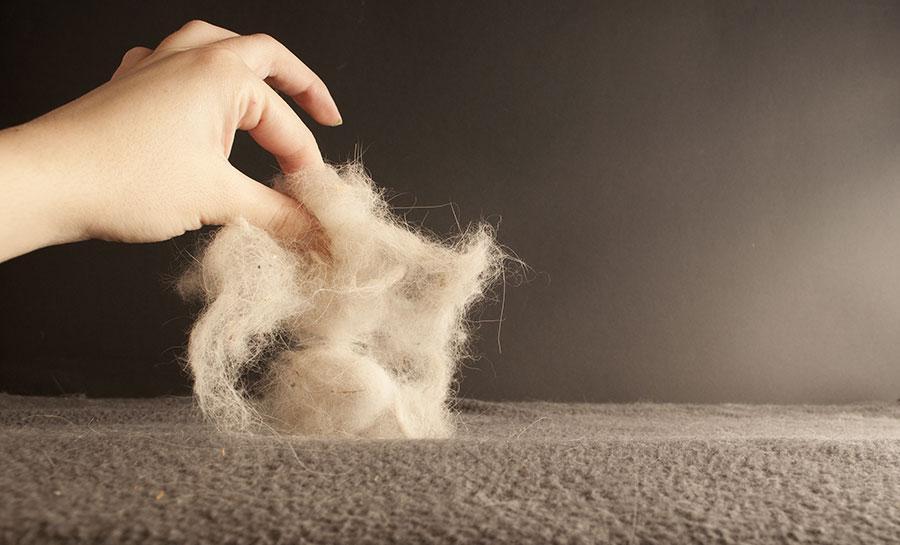
Dealing with stubborn pet hair embedded in carpets is a common challenge for pet owners. Traditional vacuuming often leaves behind fine hairs, especially when pets shed heavily or have thick coats. One of the most effective ways to tackle this issue is by using the circular brushing technique. This method helps lift and gather pet hair that vacuums alone may miss, making it easier to keep carpets clean and allergen-free.
Understanding how to use circular brushing, what tools to choose, and how to integrate this approach into your cleaning routine can make a significant difference. For additional strategies, you might also find value in pet hair removal from carpet indoor hygiene tips, which covers broader hygiene practices for homes with pets.
Why Circular Brushing Works for Pet Hair
The circular brushing technique is particularly effective because it agitates carpet fibers in a way that loosens and lifts trapped hair. Unlike straight brushing or vacuuming, the circular motion helps dislodge hair that clings to the base of carpet fibers. This method is gentle on carpets and reduces the risk of fiber damage, making it suitable for both low-pile and high-pile surfaces.
Many pet owners struggle with hair that seems to weave itself into the carpet. Circular brushing, especially when combined with a specialized broom or brush, can address this problem efficiently. For those concerned about carpet longevity, see pet hair removal from carpet without damaging fibers for additional tips.
Choosing the Right Tools for the Job
To maximize the results of this method, selecting the right tools is essential. Here are some recommended options:
- Rubber brooms: These have flexible bristles that attract and collect hair through static electricity, making them ideal for circular brushing.
- Handheld brushes: Brushes with soft, densely packed bristles can be used for smaller areas or spot cleaning.
- Vacuum cleaners with pet hair attachments: While not a substitute for brushing, these can help remove loosened hair after brushing.
When choosing a brush or broom, look for ergonomic handles and easy-to-clean bristles. Some products are specifically marketed for pet hair removal and may offer additional features like adjustable heads or detachable parts for cleaning.
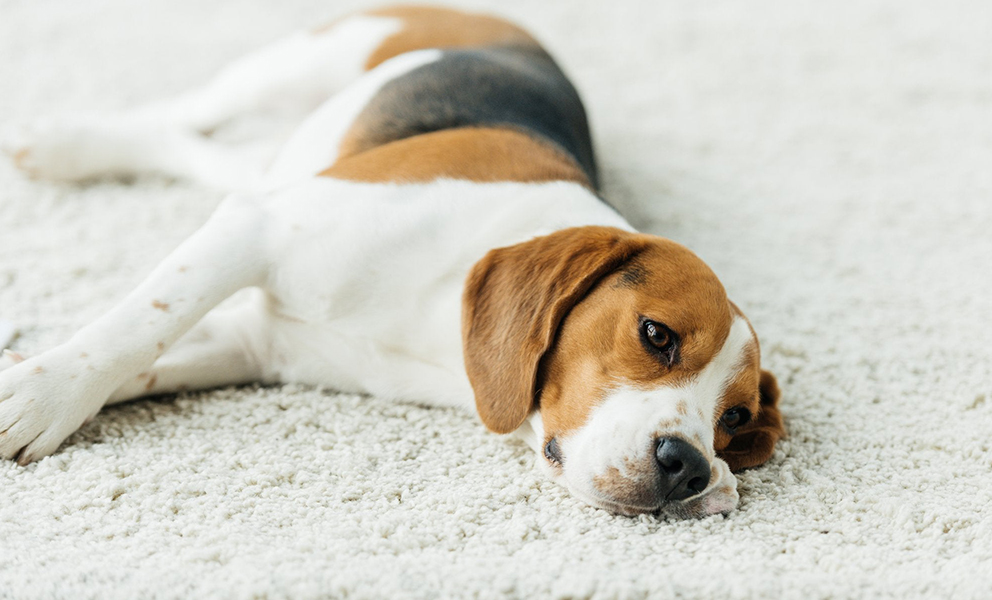
Step-by-Step Guide to Circular Brushing for Pet Hair
Applying the circular brushing technique is straightforward, but following a systematic approach ensures the best results. Here’s how to do it:
- Prepare the Area: Remove any large debris or objects from the carpet. If possible, vacuum the area lightly to pick up loose dirt.
- Select Your Tool: Choose a rubber broom or a suitable brush designed for pet hair.
- Brush in Circles: Using gentle pressure, move the brush or broom in small, overlapping circular motions. This helps lift hair from deep within the carpet fibers.
- Collect the Hair: As hair gathers into clumps, pick it up by hand or use a dustpan. Repeat the process over the entire area.
- Vacuum Again: After brushing, vacuum the carpet to remove any remaining loose hair and debris.
For high-traffic areas or homes with multiple pets, this process may need to be repeated regularly. The circular motion is key to loosening hair that would otherwise remain trapped.
Tips for Maintaining Clean Carpets in Pet-Friendly Homes
While the circular brushing method is highly effective, combining it with other cleaning habits can further reduce pet hair buildup. Here are some practical tips:
- Brush and groom pets regularly to minimize shedding indoors.
- Use doormats and washable rugs in entryways to trap hair before it reaches carpets.
- Consider using a vacuum cleaner designed for pet hair, which can complement manual brushing.
- Wash pet bedding and blankets frequently to prevent hair transfer to carpets.
- Explore fast cleaning strategies, such as those in pet hair removal from carpet fast cleaning tips, for quick daily maintenance.
Combining these habits with regular circular brushing will help keep carpets looking fresh and reduce allergens in your home.
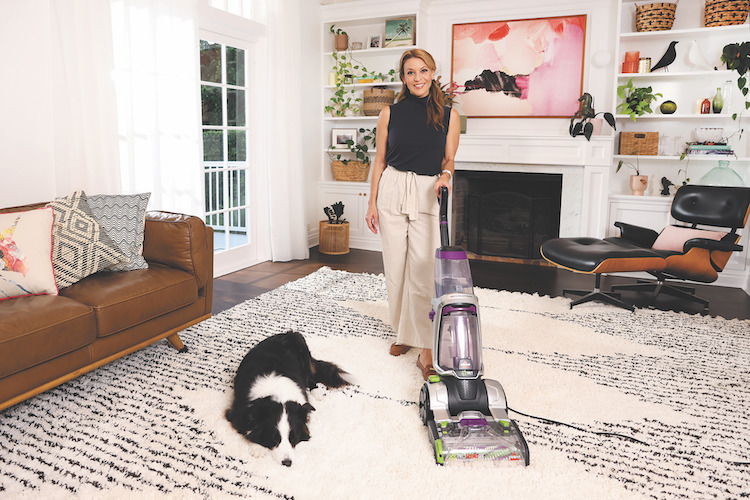
Common Mistakes to Avoid With Circular Brushing
While this technique is generally safe and effective, there are a few pitfalls to watch out for:
- Using the wrong brush: Hard or metal bristles can damage carpet fibers. Always opt for rubber or soft-bristled tools.
- Applying too much pressure: Excessive force can flatten or fray carpet fibers. Gentle, consistent motion is best.
- Neglecting regular cleaning: Waiting too long between sessions allows hair to become more embedded, making removal harder.
- Skipping vacuuming: Brushing loosens hair, but vacuuming is essential to remove fine particles and dust.
For more on prepping carpets before deep cleaning, see pet hair removal before steam cleaning carpet.
When to Use Circular Brushing Over Other Methods
The circular brushing technique is especially useful in the following situations:
- After vacuuming, when hair remains visible or stuck to fibers.
- On high-pile or shag carpets where hair tends to tangle deep inside.
- For spot cleaning specific areas, such as pet beds or favorite lounging spots.
- When preparing carpets for deep cleaning or steam cleaning.
Other methods, like pulling motions or adhesive rollers, can complement circular brushing. For a comparison, check out pet hair removal from carpet using pulling motion to see how different techniques can work together.
Additional Resources and Expert Advice
If you’re looking for more ways to keep your carpets free from pet hair, there are several resources available. For a comprehensive overview of techniques, these easy methods to remove dog hair from carpets and rugs offer practical solutions for every home. Combining expert advice with regular cleaning routines ensures a cleaner, healthier living environment for both you and your pets.
Frequently Asked Questions
How often should I use the circular brushing technique on my carpets?
For homes with heavy shedders or multiple pets, using this method once or twice a week is recommended. In lower-shedding environments, every two weeks may be sufficient. Regular brushing prevents hair from becoming deeply embedded and keeps carpets looking fresh.
Can I use circular brushing on all carpet types?
This approach is safe for most carpets, including low-pile, high-pile, and area rugs. However, always test a small, inconspicuous area first to ensure the brush does not damage delicate fibers. Avoid using hard-bristled brushes on soft or looped carpets.
What should I do if pet hair remains after brushing and vacuuming?
If some hair persists, try repeating the process or using a slightly damp rubber broom to enhance static attraction. For extremely stubborn hair, consider professional carpet cleaning or using specialized pet hair removal tools designed for deep cleaning.
