
Choosing the right tool for cleaning carpets can make a significant difference in both the appearance and longevity of your flooring. With so many carpet cleaner brush types available, it’s easy to feel overwhelmed by the options. Each brush design is tailored for specific cleaning needs, carpet materials, and levels of dirt or debris. Understanding the differences between these brushes helps you select the most effective solution for your home or business.
Whether you’re dealing with pet hair, stubborn stains, or routine maintenance, the right brush can improve cleaning results and protect your carpet fibers. For those interested in tackling pet hair removal from carpet home cleaning guide, pairing the correct brush with your cleaning method is especially important. In this article, we’ll break down the main categories of carpet cleaning brushes, their best uses, and how to match them to your specific needs.
Understanding the Main Carpet Cleaning Brush Designs
There are several distinct carpet cleaner brush types found on both manual and machine-based cleaning devices. Each is engineered to address different cleaning challenges:
- Rotating brushes (sometimes called power brushes or beater brushes) use a motorized action to agitate carpet fibers and loosen embedded dirt.
- Fixed brushes remain stationary and rely on manual movement or suction to clean the carpet surface.
- Oscillating brushes move side-to-side or in small circles, offering a balance between agitation and gentle cleaning.
- Rubber brushes are designed to attract hair and debris through static electricity, making them ideal for pet owners.
- Scrub brushes feature stiff bristles for spot cleaning and stain removal.
Each of these brush types has its own strengths and is best suited for specific situations. Let’s take a closer look at how they work and when to use them.
Rotating Brushes: Deep Cleaning Power
Rotating or power brushes are commonly found on upright carpet cleaners and some high-end vacuums. These brushes spin rapidly, lifting dirt from deep within the carpet pile. The bristles are usually made from nylon or a similar synthetic material, which provides durability and effective agitation.
These brushes are especially effective for:
- Removing ground-in dirt and debris
- Deep cleaning high-traffic areas
- Loosening pet hair and dander
However, rotating brushes can be too aggressive for delicate or loop-pile carpets. Always check your carpet manufacturer’s recommendations before using a machine with this type of brush.
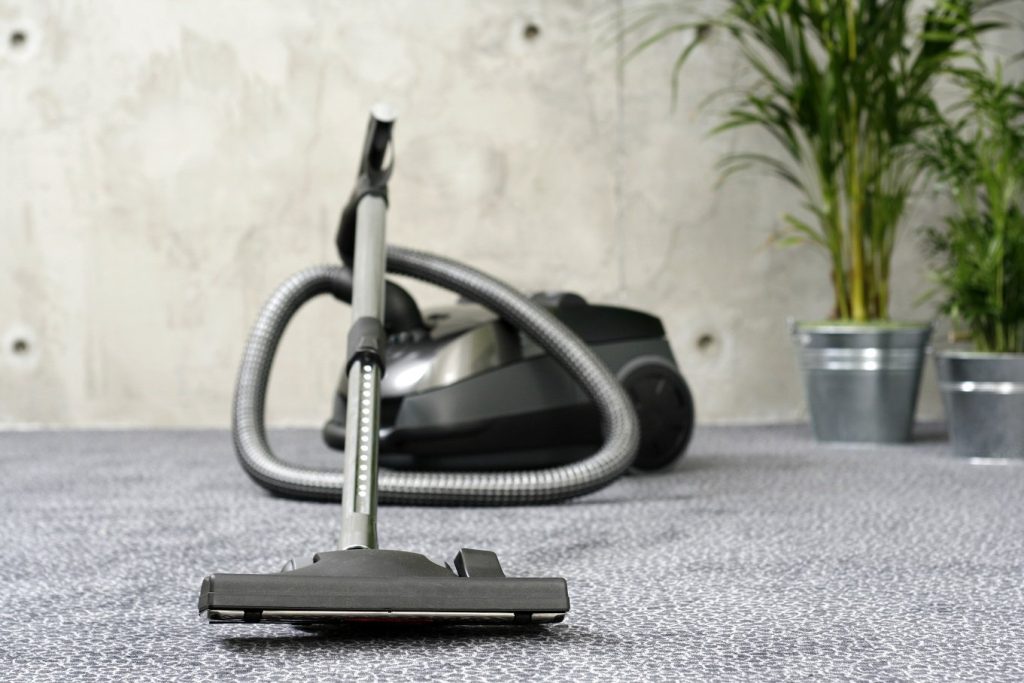
Fixed and Manual Brushes: Gentle Surface Cleaning
Fixed brushes are often found on lightweight or portable carpet cleaners. Unlike rotating models, these brushes do not move on their own. Instead, they rely on the user’s motion or the suction of the machine to clean the carpet. Manual brushes, which are handheld, fall into this category as well.
These brushes are best for:
- Routine maintenance and light cleaning
- Delicate carpets and area rugs
- Quick touch-ups and spot cleaning
While not as aggressive as rotating brushes, fixed brushes are less likely to damage sensitive fibers. They’re also easier to control, making them a good choice for small spaces or detailed work.
For more tips on keeping your carpets clean and healthy, see the pet hair removal from carpet ultimate guide.
Oscillating and Dual-Action Brushes: Versatility and Balance
Oscillating brushes move in a side-to-side or circular motion, providing a middle ground between aggressive agitation and gentle cleaning. Some machines use dual-action brushes that combine oscillation with rotation for enhanced performance.
These brushes are suitable for:
- Medium to high-pile carpets
- Removing surface stains and embedded dirt
- Homes with mixed flooring types
Oscillating brushes are less likely to cause carpet fuzzing or damage, making them a versatile choice for most households.
Rubber and Specialty Brushes: Tackling Pet Hair and Stains
Rubber brushes use static electricity to attract and lift pet hair, lint, and fine debris from carpet fibers. They’re especially effective for households with pets or for cleaning upholstery and stairs.
Specialty brushes, such as those with angled or squeegee-like bristles, are designed for targeted cleaning tasks like stain removal or water extraction. These tools can be used alongside other brush types for a comprehensive cleaning routine.
For more practical tips on maintaining indoor hygiene, check out pet hair removal from carpet indoor hygiene tips.

Choosing the Right Brush for Your Carpet Type
Not all carpets are created equal, and the best brush for one type may not be suitable for another. Here’s how to match brush designs to your flooring:
| Carpet Type | Recommended Brush | Notes |
|---|---|---|
| Cut Pile (Plush, Saxony) | Rotating or Oscillating | Deep cleaning, but avoid overly stiff bristles |
| Loop Pile (Berber) | Fixed or Manual | Gentle cleaning to prevent snags |
| Shag/High Pile | Oscillating or Rubber | Lift debris without matting fibers |
| Low Pile/Commercial | Rotating or Scrub | Handles heavy soil and stains |
Always test a new brush in an inconspicuous area before full use, and follow manufacturer guidelines for both your carpet and cleaning equipment.
Maintenance Tips for Carpet Cleaning Brushes
Proper care extends the life of your cleaning tools and ensures optimal performance. Here are some maintenance tips:
- Rinse brushes thoroughly after each use to remove detergent and debris.
- Check for tangled hair or fibers and remove them regularly.
- Inspect bristles for wear and replace brushes as needed.
- Store brushes in a dry, clean area to prevent mildew or odor buildup.
For a deeper understanding of how these tools function, see this detailed explanation of how a carpet cleaner works.
FAQs About Carpet Cleaning Brushes
How often should I replace my carpet cleaning brush?
Most brushes last several months to a year, depending on frequency of use and carpet type. Replace the brush when bristles become frayed, bent, or less effective at cleaning.
Can I use the same brush for all carpet types?
It’s best to match the brush to your carpet’s material and pile height. Using the wrong brush can damage delicate fibers or fail to clean effectively. Refer to your carpet and cleaner’s recommendations for best results.
Are rubber brushes effective for pet hair?
Yes, rubber brushes are excellent for attracting and lifting pet hair from carpets and upholstery. They work especially well on short-pile carpets and can be used alongside other cleaning tools for a thorough clean.
Conclusion
Understanding the differences between carpet cleaner brush types helps you achieve better cleaning results and protect your investment. By choosing the right brush for your carpet and cleaning needs, you can remove dirt, stains, and pet hair more efficiently. For more practical advice, see our pet hair removal from carpet practical household tips or explore how to clean without damaging fibers in our special guide. With the right knowledge and tools, keeping your carpets fresh and clean is easier than ever.
