
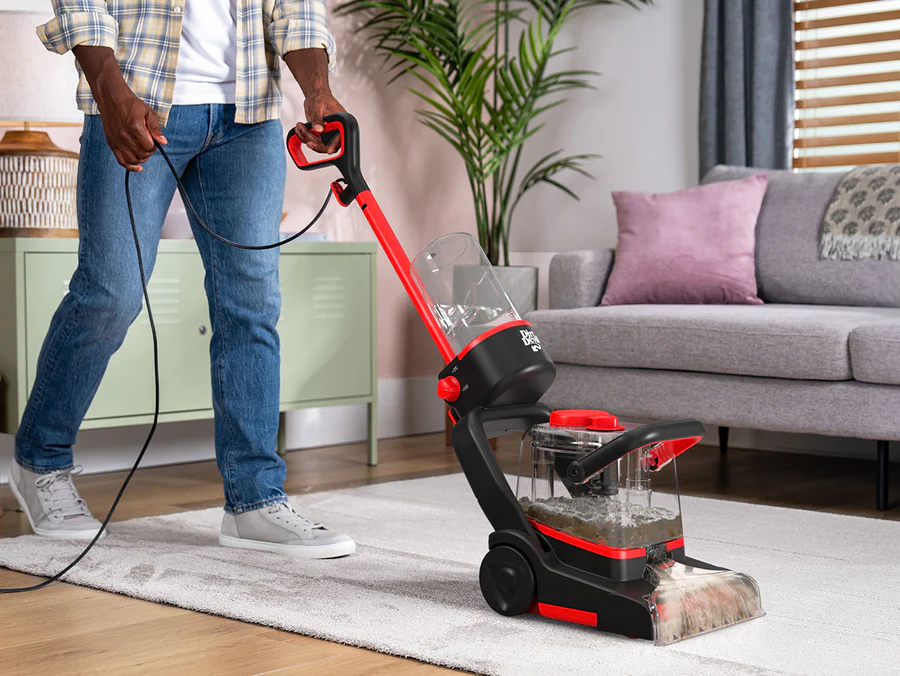
Keeping carpets spotless can be a challenge, especially when it comes to cleaning those hard-to-reach areas. The carpet cleaner crevice tool usage is essential for tackling dirt, debris, and pet hair in tight corners, along baseboards, and between furniture. Whether you’re a homeowner or a cleaning professional, understanding how to use this specialized attachment can make a significant difference in your cleaning results.
Many people overlook the importance of using the right attachments for their carpet cleaning machines. However, the crevice tool is specifically designed to access narrow spaces that standard nozzles can’t reach. By mastering its use, you’ll be able to maintain a cleaner, healthier home environment and extend the life of your carpets.
For those dealing with pet hair and allergens, using the right tool can be a game changer. If you’re interested in more tips on maintaining a fur-free carpet, check out our pet hair removal from carpet home cleaning guide for comprehensive advice.
Why the Crevice Tool Matters for Deep Carpet Cleaning
The crevice tool is a narrow, angled attachment that fits onto most carpet cleaning machines and vacuums. Its slim profile allows it to slide into spaces that wider heads cannot, such as:
- Along the edges of walls and baseboards
- Between couch cushions and under furniture
- In stair corners and tight landings
- Behind radiators or under low-clearance beds
Regular use of this attachment helps remove dust, crumbs, pet dander, and other debris that accumulate in these hidden areas. This not only improves the appearance of your carpets but also contributes to better indoor air quality and reduces allergens.
How to Attach and Use the Crevice Tool Properly
Before you begin, make sure your carpet cleaning machine is compatible with a crevice tool. Most modern machines include this attachment, but always check your model’s manual for specifics. Here’s a step-by-step approach to effective carpet cleaner crevice tool usage:
- Turn Off and Unplug: Always power down and unplug your machine before attaching or removing accessories.
- Attach the Tool: Connect the crevice tool to the hose or wand, ensuring it clicks or locks into place securely.
- Test the Fit: Give the attachment a gentle tug to confirm it’s secure and won’t detach during use.
- Start Cleaning: Plug in and power up your machine. Begin by cleaning along the edges of the room, moving the tool slowly to allow for maximum suction and dirt removal.
- Use Overlapping Strokes: For best results, use overlapping passes and angle the tool to reach into corners and crevices.
- Empty and Rinse: After cleaning, empty the dirty water tank and rinse the crevice tool to prevent buildup and odors.
Proper technique ensures you get the most out of your equipment and helps prevent damage to both your carpets and the cleaning tool itself.
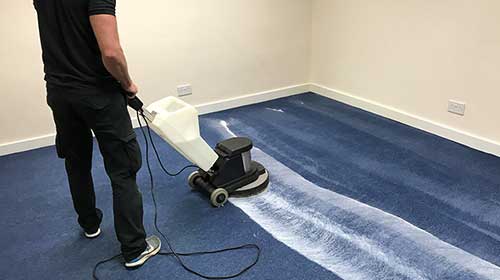
Tips for Maximizing Results in Tight Spaces
Getting the most out of your crevice tool involves more than just attaching it and moving it around. Here are some practical tips for optimal carpet cleaner crevice tool usage in challenging spots:
- Move Furniture: Whenever possible, shift furniture slightly to access hidden areas underneath and behind.
- Vacuum First: Run a vacuum with the crevice tool before using a wet carpet cleaner. This removes loose debris and prevents clogging.
- Use Slow, Steady Motions: Allow the suction to do its job by moving the tool slowly along edges and into corners.
- Repeat in High-Traffic Zones: Areas near doors, hallways, and pet zones may need extra attention with multiple passes.
- Check for Blockages: If you notice reduced suction, detach the tool and check for obstructions.
Consistent use of these strategies will help you maintain a cleaner home and reduce the buildup of dirt in places that are often neglected.
Common Mistakes to Avoid When Using the Crevice Tool
Even with the right equipment, mistakes can happen. Here are some pitfalls to watch out for:
- Forcing the Tool: Don’t try to wedge the crevice tool into spaces that are too narrow. This can damage both the tool and your carpet fibers.
- Skipping Regular Cleaning: Waiting too long between cleanings allows debris to accumulate, making it harder to remove.
- Neglecting Maintenance: Failing to clean the attachment after use can lead to clogs and unpleasant odors.
- Using on Wet Surfaces Without Checking Compatibility: Some crevice tools are designed for dry vacuuming only. Always verify your tool’s intended use before applying it to wet carpets.
By avoiding these errors, you’ll extend the life of your cleaning equipment and achieve better results every time.
When to Use the Crevice Tool Versus Other Attachments
While the crevice tool excels in narrow spaces, it’s important to know when to switch to other attachments:
- Wide Nozzle: Best for open areas and large carpeted surfaces.
- Upholstery Tool: Designed for furniture, drapes, and car interiors.
- Stair Tool: Shaped for cleaning steps and risers efficiently.
Use the crevice tool for edges, corners, and any spot where standard attachments can’t reach. For a deeper understanding of different cleaning methods, you can explore the history and science of carpet cleaning for more context.
Maintaining Your Crevice Tool and Carpet Cleaner
Proper maintenance ensures your equipment stays effective and lasts longer. Here’s how to care for your crevice tool and machine:
- Rinse After Use: Wash the attachment with warm water to remove residue and prevent mold growth.
- Dry Thoroughly: Allow the tool to air dry before storing to avoid mildew.
- Inspect for Damage: Check for cracks or worn edges and replace if necessary.
- Store Properly: Keep all attachments in a designated spot to prevent loss or damage.
Regular upkeep will help you get the most out of your investment and maintain a cleaner living space.
Additional Resources for Carpet Cleaning Success
If you’re looking for more advice on keeping carpets spotless, especially in homes with pets, you might find our pet hair removal from carpet ultimate guide helpful. For those focused on hygiene, the pet hair removal from carpet indoor hygiene tips article covers best practices for maintaining a healthy indoor environment.
FAQ
How Often Should I Use the Crevice Tool on My Carpets?
For most homes, using the crevice tool once every two weeks is sufficient. However, in high-traffic areas or homes with pets and children, weekly use is recommended to prevent buildup of dirt and allergens.
Can I Use the Crevice Tool on Wet Carpets?
Many crevice tools are designed for both wet and dry use, but always check your machine’s manual first. Using a tool not rated for wet cleaning on damp carpets can cause damage or reduce cleaning efficiency.
What Should I Do If the Crevice Tool Gets Clogged?
If you notice reduced suction or hear a change in sound, turn off and unplug your machine. Detach the crevice tool and check for blockages. Rinse it under warm water and use a small brush if needed to remove stubborn debris. Allow it to dry completely before reattaching.
Are There Alternatives to the Crevice Tool for Tight Spaces?
While the crevice tool is the most effective for narrow gaps, you can also use small handheld vacuums or specialty brushes for certain areas. However, these alternatives may not provide the same deep cleaning results as a dedicated crevice attachment.
With the right approach and regular maintenance, your carpet cleaning routine will be more thorough and efficient, ensuring even the most challenging spaces stay fresh and hygienic.
