
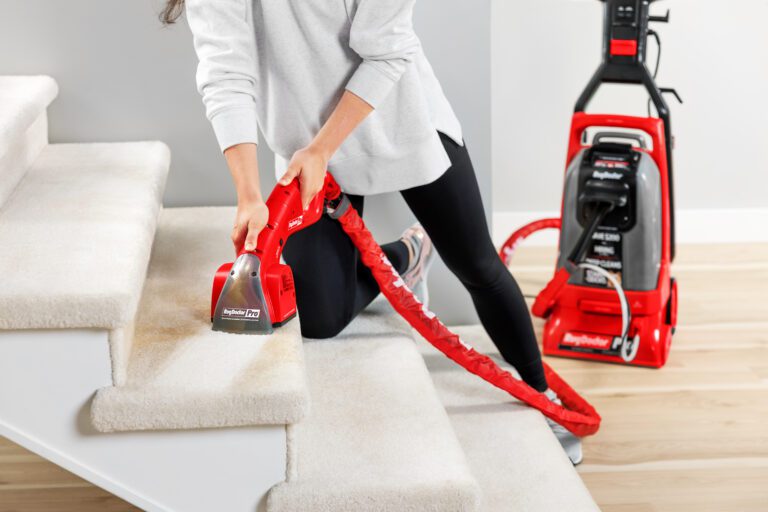
Choosing the right carpet cleaning machine can feel overwhelming with so many models and specifications on the market. Understanding the most important features is essential for making a smart purchase that fits your home’s needs. In this guide, you’ll find carpet cleaner features explained in detail, so you can confidently evaluate what matters most—whether you’re tackling everyday messes, deep stains, or pet hair.
For those dealing with stubborn pet fur, you might also find the pet hair removal from carpet home cleaning guide helpful for additional cleaning strategies and tips.
Understanding Cleaning Performance: Power and Suction
The core of any carpet cleaning machine is its ability to remove dirt, stains, and allergens. Two key elements drive cleaning performance: water extraction power and suction strength. Machines with higher wattage motors and strong suction can lift more dirt and moisture from carpet fibers, resulting in faster drying times and a deeper clean.
- Motor Power: Measured in amps or watts, a more powerful motor generally means better cleaning, especially for high-traffic areas.
- Suction: Look for models with dual or multi-stage suction for improved water removal. This helps prevent mold and mildew by reducing leftover moisture.
Some machines also offer adjustable suction, letting you tailor the cleaning intensity for delicate rugs or thick pile carpets. If you’re comparing options, check product specs and user reviews for real-world performance insights.
Tank Capacity and Ease of Use
Another critical factor is the size and design of the water tanks. Larger tanks let you clean more area before needing a refill, but they can make the machine heavier and harder to maneuver. Compact models are easier to store and carry, making them ideal for apartments or spot cleaning.
- Clean and Dirty Water Tanks: Most modern machines have separate tanks for clean and dirty water, preventing cross-contamination and making refills simpler.
- Tank Size: For whole-home cleaning, a tank capacity of at least 1 gallon is recommended. For spot cleaning or small spaces, a half-gallon tank may suffice.
- Easy Fill and Empty: Look for tanks with wide openings, clear markings, and spill-proof lids for hassle-free use.
Some portable models feature removable tanks that are dishwasher-safe, making maintenance even easier.
Brush Systems and Agitation Technology
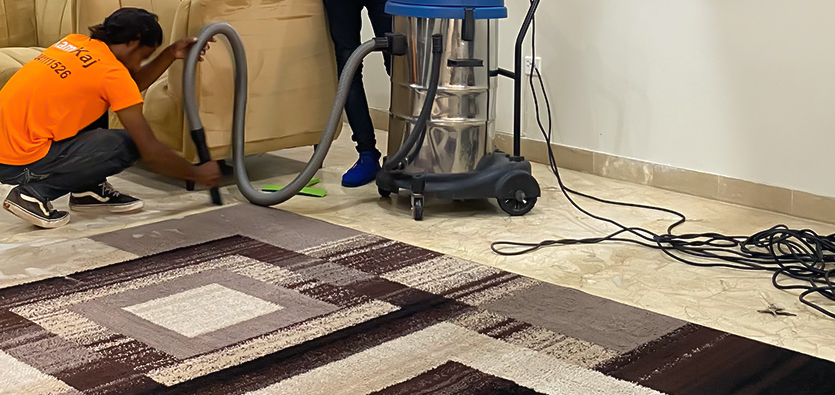
The brush system is what physically agitates carpet fibers, loosening dirt and stains for the suction to remove. There are several types of brush mechanisms, each with its own advantages:
- Rotating Brushes: These spin to scrub deep into fibers, ideal for tough stains and pet messes.
- Fixed Brushes: Stationary bristles rely on the movement of the machine for agitation. They’re gentler on delicate rugs.
- Oscillating Brushes: Move side-to-side for even coverage and effective cleaning on high-pile carpets.
Some advanced models offer multiple brush rows or interchangeable brush heads for different surfaces. If you have pets or kids, a machine with a robust brush system can make a noticeable difference in cleanliness.
Portability and Maneuverability
Weight, handle design, and wheel quality all affect how easy a carpet cleaner is to use. Lightweight machines are easier to carry up stairs and move between rooms, while full-size models may offer more power but can be cumbersome in tight spaces.
- Handle Height: Adjustable handles can reduce back strain and improve comfort during long cleaning sessions.
- Wheel Design: Large, smooth-rolling wheels help with maneuvering over thick carpet or thresholds.
- Compact Storage: Foldable handles or detachable components make storage simpler, especially in small homes.
If you need to clean upholstery, stairs, or car interiors, consider a portable or handheld model with specialized attachments.
Attachments and Specialized Tools
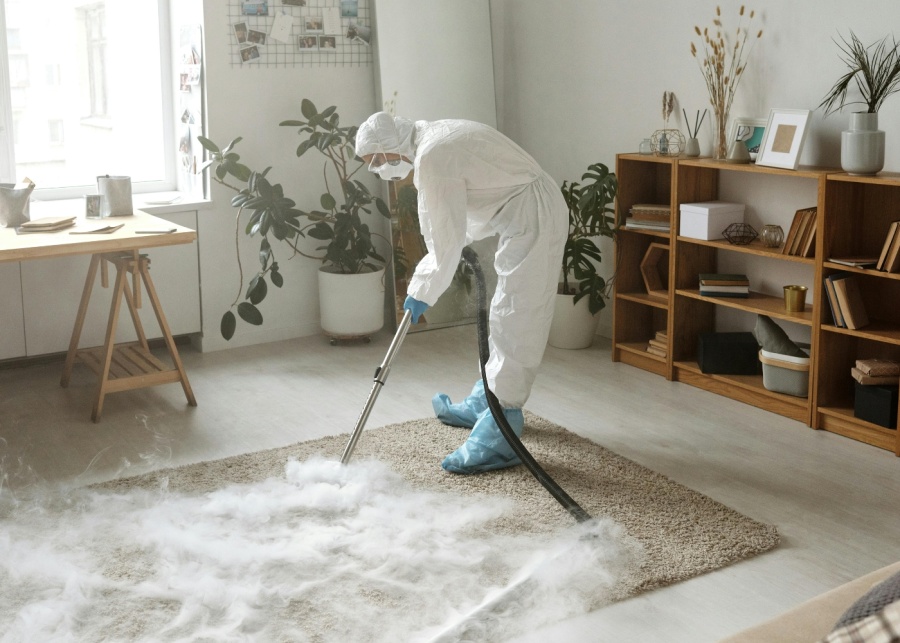
Versatility is a major benefit of modern carpet cleaners. Many include attachments for tackling specific cleaning tasks:
- Upholstery Tools: Designed for sofas, chairs, and car seats.
- Crevice Tools: Reach tight spaces along baseboards or between cushions.
- Pet Stain Tools: Target stubborn spots with extra scrubbing power or concentrated spray.
Some machines also feature built-in heaters to keep water hot for better stain removal, or self-cleaning hoses to prevent odor buildup. If you have pets, check out the pet hair removal from carpet ultimate guide for more on choosing the right attachments and cleaning methods.
Comparing Cleaning Methods: Steam vs. Extraction
When researching carpet cleaner features explained, you’ll likely encounter both steam cleaners and extraction machines. While both can refresh carpets, they work differently:
- Steam Cleaners: Use hot steam to sanitize and loosen dirt, but may not extract as much moisture or debris.
- Carpet Extractors: Spray water and cleaning solution, then suction it back up along with dirt and stains.
For a detailed breakdown, see this comparison of steam cleaners and carpet extractors to help decide which method suits your needs best.
Noise, Maintenance, and Other Practical Considerations
Beyond cleaning power, there are practical aspects to consider:
- Noise Level: Quieter machines are less disruptive, especially in apartments or homes with children.
- Maintenance: Removable brushes, easy-to-clean tanks, and self-cleaning features reduce upkeep time.
- Cord Length: Longer cords offer more reach, minimizing the need to switch outlets.
- Warranty: A solid warranty can provide peace of mind for frequent users.
Regular maintenance—such as rinsing tanks and cleaning brushes—will extend the life of your machine and keep it performing at its best.
Frequently Asked Questions
What is the difference between a carpet cleaner and a steam cleaner?
Carpet cleaners typically use water and cleaning solution to wash and extract dirt from carpets, while steam cleaners use hot steam to sanitize surfaces. Carpet cleaners are generally better for deep cleaning and removing embedded dirt, while steam cleaners excel at sanitizing and refreshing surfaces.
How often should I clean my carpets with a machine?
For most households, deep cleaning carpets every 6–12 months is sufficient. Homes with pets, children, or high foot traffic may benefit from more frequent cleaning, such as every 3–6 months.
Are portable carpet cleaners as effective as full-size models?
Portable machines are convenient for spot cleaning and small areas, but full-size models usually offer more power and larger tank capacities, making them better for whole-room or whole-home cleaning. The best choice depends on your specific needs and cleaning frequency.
Conclusion: Choosing the Right Carpet Cleaner for Your Home
Understanding the essential features of carpet cleaning machines—from suction power and tank size to brush systems and attachments—will help you make an informed decision. Consider your home’s layout, the types of messes you encounter, and how often you plan to clean. For pet owners, additional resources like the pet hair removal from carpet practical household tips can further guide your cleaning routine. By focusing on the features that matter most, you’ll enjoy cleaner carpets and a healthier home environment.
