
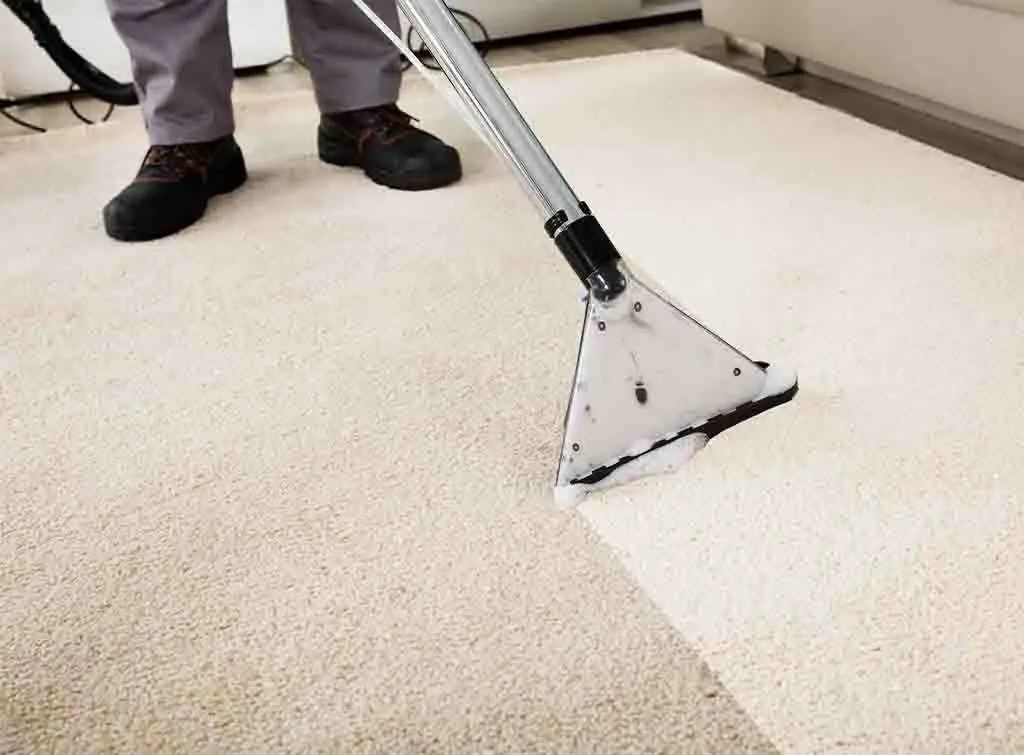
Area rugs add warmth, color, and comfort to homes, but keeping them clean can be challenging. Choosing the right carpet cleaner for area rugs is crucial to maintain their appearance and extend their lifespan. With so many cleaning products and methods available, it’s important to know which options are safe and effective—and which ones can cause damage or discoloration.
This guide covers the best cleaning solutions, techniques, and tools for refreshing your rugs, as well as common mistakes to avoid. Whether you’re dealing with everyday dirt, stubborn stains, or pet hair, you’ll find practical tips to help your rugs look their best. For those struggling with pet hair, the pet hair removal from carpet home cleaning guide offers additional strategies tailored to this specific challenge.
Understanding Area Rug Materials and Their Cleaning Needs
Before selecting a cleaning solution, it’s essential to know what your rug is made of. Different fibers react differently to moisture, chemicals, and agitation. Here’s a quick overview of common area rug materials and their cleaning considerations:
- Wool: Durable and naturally stain-resistant, but sensitive to harsh chemicals and excessive water. Use gentle, pH-neutral cleaners.
- Synthetic fibers (nylon, polyester, olefin): More tolerant of moisture and cleaning agents, but always check the label for manufacturer recommendations.
- Silk and viscose: Delicate and prone to water damage. Professional cleaning is usually recommended.
- Cotton: Can handle mild detergents and water, but may shrink if over-wet.
- Natural fibers (jute, sisal, seagrass): Very sensitive to moisture; avoid wet cleaning methods.
Always check the care label on your rug for specific instructions. When in doubt, test any cleaner on a small, inconspicuous area first.
Safe Cleaning Solutions for Area Rugs
Choosing the right carpet cleaner for area rugs depends on the type of dirt or stain you’re dealing with and the rug’s material. Here are some safe and effective options:
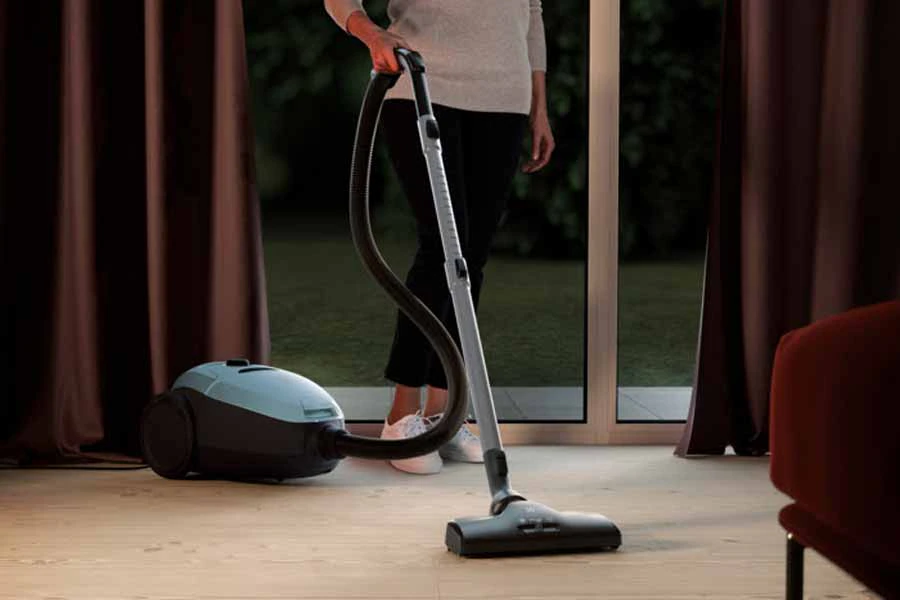
- Vacuuming: Regular vacuuming removes dirt, dust, and debris before they settle deep into the fibers. Use a vacuum with adjustable height and suction to avoid damaging delicate rugs.
- Spot cleaning: For spills and stains, blot (don’t rub) the area with a clean, dry cloth. Use a mild detergent mixed with water or a commercial carpet spot cleaner designed for area rugs.
- Rug shampoo: Many commercial rug shampoos are formulated for use on area rugs. Choose a product labeled as safe for your rug’s material, and follow the instructions closely.
- DIY solutions: A mixture of water and a few drops of gentle dish soap can be effective for minor stains. For odors, sprinkle baking soda over the rug, let it sit for 15–30 minutes, then vacuum thoroughly.
- Enzyme cleaners: These are especially useful for pet stains, as they break down organic matter and neutralize odors without harsh chemicals.
What to Avoid When Cleaning Area Rugs
Using the wrong products or techniques can cause permanent damage. Here are some common mistakes to steer clear of:
- Bleach and harsh chemicals: These can discolor or weaken rug fibers, especially wool and natural materials.
- Excessive water: Over-wetting can cause shrinkage, color bleeding, or mildew growth. Avoid soaking rugs, especially those with natural backings.
- Hot water: High temperatures can set stains and cause fibers to shrink or distort.
- Scrubbing aggressively: Vigorous scrubbing can fray fibers and damage the rug’s pile.
- Ignoring manufacturer instructions: Always follow the care label and test new products in an inconspicuous spot.
For more on professional techniques, see this detailed explanation of professional carpet cleaning methods.
Choosing the Right Carpet Cleaning Machine for Area Rugs
Not all carpet cleaning machines are suitable for area rugs. Here’s what to consider when selecting equipment:
- Lightweight and portable: Heavy-duty machines can be too harsh for delicate rugs. Opt for compact models with adjustable settings.
- Gentle brushes: Choose machines with soft or removable brushes to prevent damage to fibers.
- Low-moisture technology: Machines that use minimal water help prevent over-wetting and speed up drying time.
- Spot cleaners: Portable spot cleaners are ideal for treating small stains without soaking the entire rug.
Always check if your rug is compatible with machine cleaning. Some delicate or antique rugs should only be cleaned by hand or by professionals.
Tips for Maintaining Clean Area Rugs
Regular care goes a long way in keeping your rugs fresh and attractive. Here are some maintenance tips:
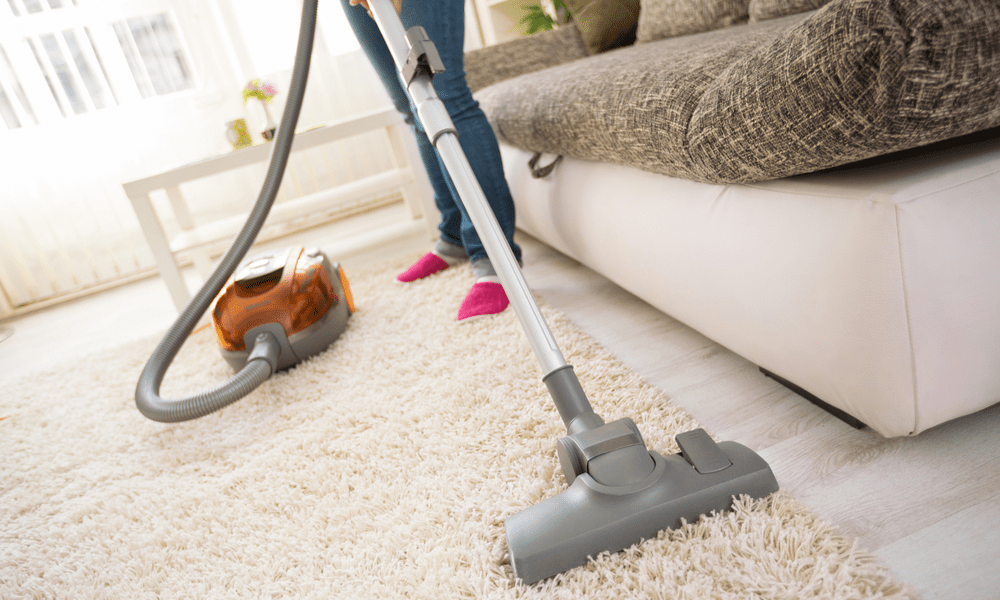
- Vacuum frequently: Remove surface dirt before it settles deep into the fibers.
- Rotate rugs: Turn rugs every few months to ensure even wear and fading.
- Address spills promptly: Blot up liquids immediately to prevent stains from setting.
- Use rug pads: Pads reduce friction, prevent slipping, and protect the rug’s underside.
- Schedule professional cleaning: Every 12–18 months, have your rugs professionally cleaned, especially if they’re made of wool, silk, or other delicate materials.
If you have pets, you might also want to explore the pet hair removal from carpet ultimate guide for additional maintenance strategies.
Frequently Asked Questions
Can I Use a Steam Cleaner on Area Rugs?
Steam cleaners can be used on some synthetic area rugs, but they are not suitable for wool, silk, or natural fiber rugs. Always check the manufacturer’s recommendations and test a small area first. Excessive heat and moisture can cause shrinkage or color bleeding in sensitive materials.
What Is the Best Way to Remove Pet Stains from Area Rugs?
For pet stains, blot up as much of the mess as possible, then use an enzyme-based cleaner to break down organic material and neutralize odors. Avoid using ammonia or vinegar, as these can set stains or damage certain fibers. For more detailed advice, see the pet hair removal from carpet cleaning strategies resource.
How Often Should Area Rugs Be Professionally Cleaned?
Most area rugs benefit from professional cleaning every 12–18 months, depending on foot traffic, pets, and exposure to dirt. High-traffic areas or homes with pets may require more frequent cleaning to maintain appearance and hygiene.
Is It Safe to Use Baking Soda on All Types of Area Rugs?
Baking soda is generally safe for most synthetic and wool rugs, but it should be used with caution on delicate fibers like silk or viscose. Always test a small area first and vacuum thoroughly after use to avoid residue buildup.
Conclusion
Choosing the right carpet cleaner for area rugs is essential for preserving their beauty and longevity. By understanding your rug’s material, using gentle cleaning solutions, and avoiding harsh chemicals or excessive moisture, you can keep your rugs looking vibrant for years. Regular maintenance, prompt attention to spills, and periodic professional cleaning will help protect your investment and keep your living spaces fresh and inviting.
