
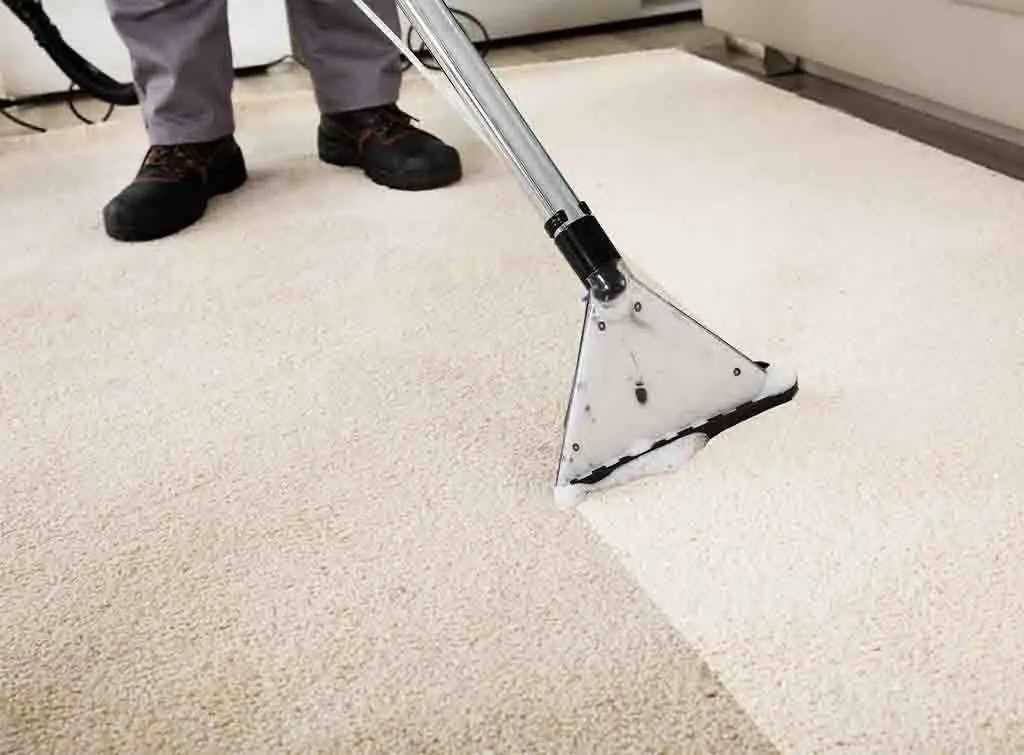
Keeping carpets spotless and free from embedded dirt is a challenge for any household or business. Regular vacuuming helps, but for truly removing deep-set grime, stains, and allergens, a carpet cleaner for deep cleaning is essential. These machines go beyond surface cleaning, using powerful suction and specialized solutions to rejuvenate carpets and extend their lifespan.
Choosing the right equipment can be overwhelming with so many options available. This article compares top-rated machines, explains what features matter most, and helps you select the best device for your needs. If you’re also interested in maintaining a pet-friendly home, check out our guide on pet hair removal from carpet indoor hygiene tips for additional cleaning strategies.
Why Deep Cleaning Carpets Matters
Over time, carpets accumulate more than just visible dust. Pet dander, pollen, food particles, and even bacteria settle deep within the fibers. Standard vacuums can only do so much, often leaving behind residues that contribute to odors and wear. Using a deep cleaning carpet machine not only improves appearance but also helps maintain a healthier indoor environment.
Professional-grade equipment uses water extraction and cleaning solutions to break down stubborn stains and lift debris from the base of the carpet pile. This process can significantly reduce allergens and prolong the life of your flooring.
Types of Carpet Cleaners for Thorough Results
There are several types of machines designed for intensive carpet care. Understanding the differences will help you pick the right one for your home or office.
- Upright Extractors: These are full-sized units ideal for large areas. They combine powerful suction with rotating brushes and heated cleaning solutions for maximum effectiveness.
- Portable Spot Cleaners: Compact and lightweight, these are perfect for treating stains, stairs, or upholstery. They’re easy to store and maneuver but may not be suitable for whole-room cleaning.
- Canister Models: Offering flexibility, these units come with a separate cleaning head and tank, making them easier to use on stairs or tight spaces.
- Professional-Grade Rentals: Available at many hardware stores, these machines deliver commercial-level results but require transportation and setup.
Key Features to Look for in a Deep Cleaning Machine
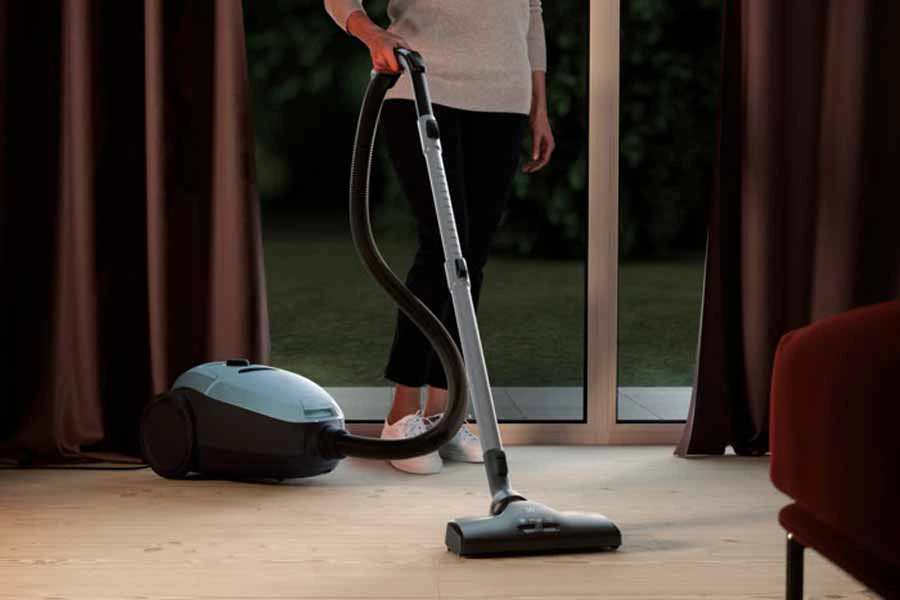
Not all machines are created equal. When selecting a carpet cleaner for deep cleaning, consider the following features to ensure you get the best results:
- Water Tank Capacity: Larger tanks mean fewer refills, which is useful for cleaning big rooms.
- Brush Design: Look for dual or multi-row brushes that agitate fibers and lift more dirt.
- Heating Function: Some models heat water or maintain solution temperature, improving stain removal.
- Attachments: Tools for stairs, upholstery, and crevices add versatility.
- Weight and Maneuverability: Lighter machines are easier to push, especially on thick carpets.
- Drying Capability: Strong suction helps carpets dry faster, reducing the risk of mold.
For more on professional cleaning methods and how they work, you can read this detailed explanation of professional carpet cleaning techniques.
Comparing Top Machines for Intensive Carpet Care
Here’s a comparison of some of the most popular machines designed for deep carpet maintenance. Each offers unique features to suit different needs and budgets.
| Model | Type | Tank Size | Special Features | Best For |
|---|---|---|---|---|
| Hoover PowerDash Pet Compact | Upright | 0.5 Gallon | Lightweight, antimicrobial brush, quick drying | Small to medium rooms, pet owners |
| BISSELL Little Green Portable | Portable | 0.375 Gallon | Spot cleaning, easy storage, multi-surface tools | Stains, upholstery, car interiors |
| Rug Doctor Deep Carpet Cleaner | Upright | 1.0 Gallon | Dual cross-action brushes, wide cleaning path | Large areas, high-traffic homes |
| BISSELL ProHeat 2X Revolution | Upright | 1.0 Gallon | Heatwave technology, multiple cleaning modes | Whole-home, tough stains |
How to Use a Deep Cleaning Carpet Machine Effectively
To get the most out of your equipment, follow these practical steps:
- Vacuum thoroughly to remove loose dirt and debris.
- Pre-treat stains with a suitable solution if needed.
- Fill the machine’s tank with hot water and recommended detergent.
- Work in small sections, making slow passes to allow the brushes and suction to do their job.
- Go over cleaned areas with just suction (no water) to speed up drying.
- Allow carpets to dry completely before walking on them or replacing furniture.
For those dealing with pet hair, our article on pet hair removal from carpet fast cleaning tips offers additional advice to keep your floors looking their best.
Maintenance Tips for Long-Lasting Performance
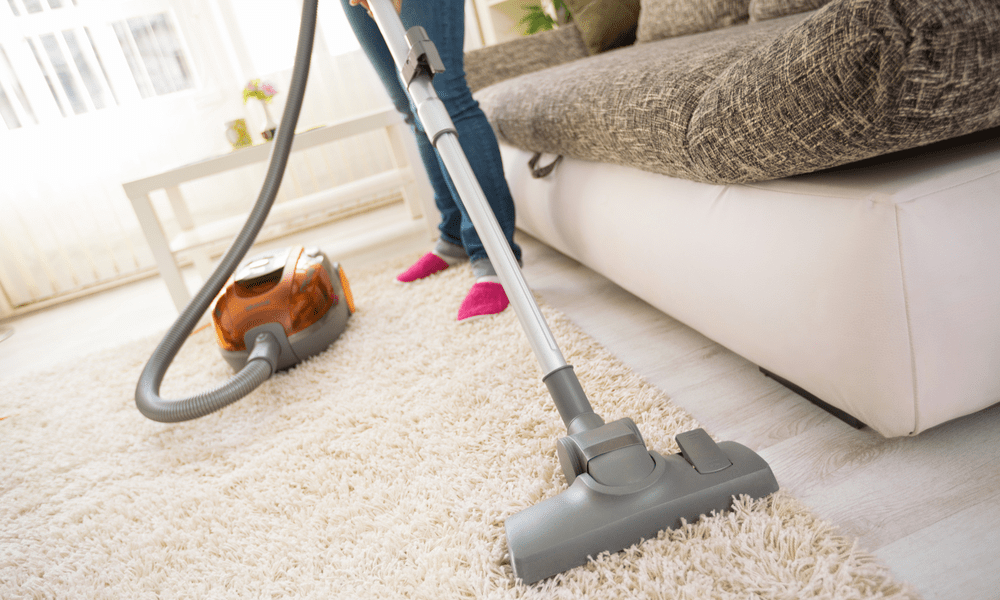
Proper care of your machine ensures it remains effective for years. After each use, empty and rinse the tanks, clean the brushes, and check for any blockages. Store the device in a dry place and follow the manufacturer’s maintenance schedule. Regular upkeep not only extends the life of your equipment but also guarantees optimal cleaning results every time.
If you’re looking for more specialized cleaning routines, especially for homes with pets, our resource on pet hair removal routine for busy pet owners can help you develop a schedule that keeps your carpets in top shape.
Frequently Asked Questions
How often should I use a deep cleaning carpet machine?
For most households, a thorough cleaning every 6 to 12 months is recommended. Homes with pets, children, or high foot traffic may benefit from more frequent use, such as every 3 to 6 months.
Can I use regular detergent in a carpet cleaning machine?
It’s best to use cleaning solutions formulated specifically for carpet machines. Regular detergents can create excess suds, leave residues, or even damage the machine.
How long does it take carpets to dry after deep cleaning?
Drying time varies based on carpet thickness, humidity, and machine suction power. Most carpets dry within 6 to 12 hours. Using fans or opening windows can help speed up the process.
