
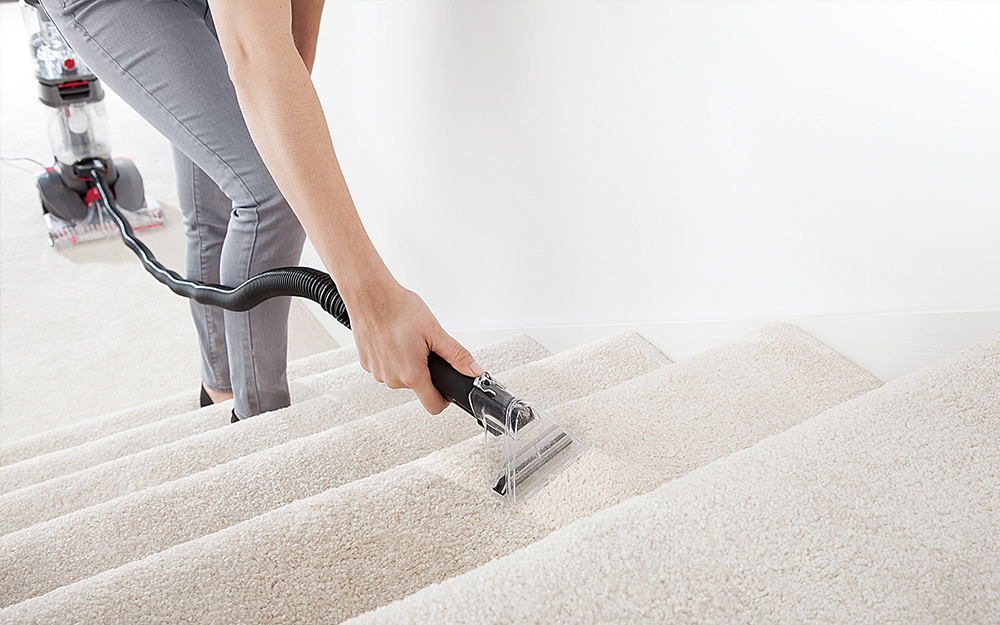
Dust mites are a common trigger for allergies and asthma, especially in homes with carpeting. These microscopic pests thrive in the fibers of rugs and carpets, feeding on dead skin cells and multiplying rapidly in warm, humid environments. For those seeking relief from allergy symptoms, choosing the right carpet cleaner for dust mites can make a significant difference in reducing allergens and improving indoor air quality.
Not all cleaning solutions or machines are equally effective against dust mites. Understanding what features and methods matter most will help you select the best approach for your home. If you’re also dealing with pet hair, you may find helpful advice in our guide on pet hair removal from carpet indoor hygiene tips.
Why Dust Mites Thrive in Carpets
Carpets provide an ideal environment for dust mites due to their dense fibers, which trap moisture, skin flakes, and other organic debris. Unlike hard flooring, carpets can retain humidity and warmth, both of which dust mites need to survive. Regular vacuuming helps, but it often isn’t enough to remove these allergens completely. That’s why using a specialized carpet cleaner for dust mites is recommended for households with allergy concerns.
Key Features to Consider in a Dust Mite Carpet Cleaner
When shopping for a cleaning solution or machine to tackle dust mites, pay attention to the following features. These elements can greatly influence how effectively your carpets are sanitized and allergens are reduced.
Hot Water Extraction Capability
One of the most effective ways to eliminate dust mites is through hot water extraction, also known as steam cleaning. This method uses high-temperature water to penetrate deep into carpet fibers, loosening debris and killing dust mites on contact. Machines with a built-in heater or the ability to use hot water are preferable for this purpose.
HEPA Filtration
If you’re using a carpet cleaning machine, look for models equipped with HEPA filters. These filters trap microscopic particles, including dust mite waste and eggs, preventing them from being released back into the air during cleaning. This is especially important for allergy sufferers who are sensitive to airborne allergens.
Specialized Cleaning Solutions
Some carpet shampoos and sprays are formulated specifically to target dust mites and their allergens. These products often contain ingredients that denature proteins in dust mite waste, rendering them harmless. When choosing a solution, check for labels indicating effectiveness against dust mites or allergens.
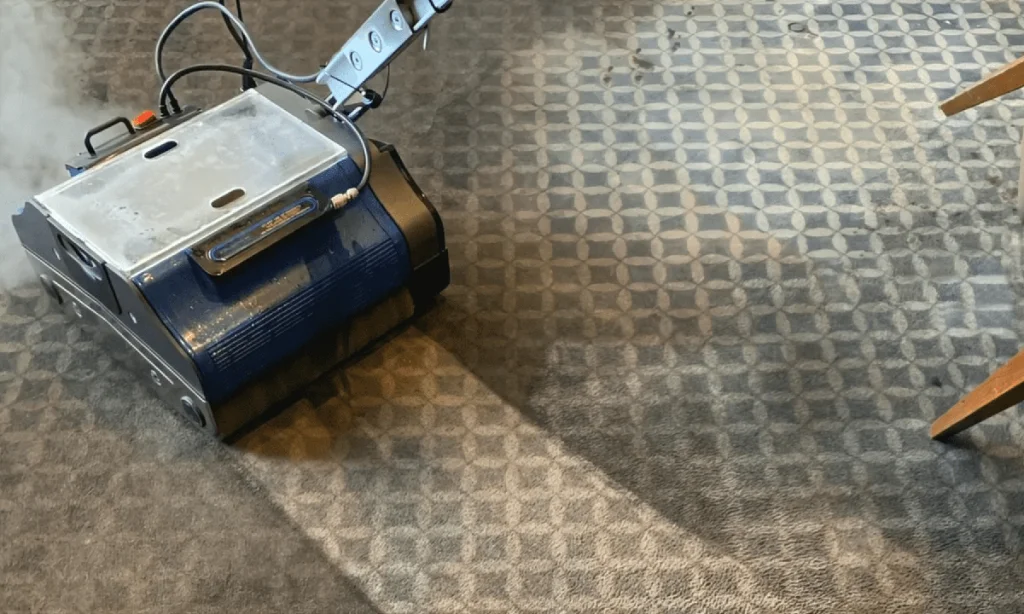
How to Use Carpet Cleaners Effectively Against Dust Mites
Even the best equipment requires proper technique to achieve optimal results. Here are some practical steps to maximize the impact of your cleaning routine:
- Vacuum thoroughly before using a carpet cleaner. This removes loose debris and allows the cleaning solution to penetrate deeper.
- Use hot water if your machine allows. The heat helps kill dust mites and loosens stubborn dirt.
- Apply a dust mite-specific solution according to the manufacturer’s instructions. Allow it to sit for the recommended dwell time.
- Go slowly with the cleaning machine to ensure deep saturation and extraction.
- Allow carpets to dry completely after cleaning to prevent mold and further dust mite growth.
For more details on how carpet cleaning works and why certain methods are more effective, you can refer to this comprehensive explanation of carpet cleaning processes.
Additional Tips for Reducing Dust Mites in Carpets
While a carpet cleaner for dust mites is a powerful tool, combining it with other strategies can further reduce allergen levels in your home:
- Maintain low humidity (below 50%) using a dehumidifier to discourage dust mite growth.
- Wash bedding and soft furnishings regularly in hot water.
- Vacuum with a HEPA-filtered vacuum at least once a week.
- Consider area rugs that can be washed or replaced more easily than wall-to-wall carpeting.
- Limit clutter on carpets to reduce dust accumulation.

Comparing Carpet Cleaners: What Matters Most?
With so many options on the market, it can be challenging to know which features are truly essential. Here’s a quick comparison of the most important factors to consider when evaluating cleaning machines and solutions for allergen removal:
| Feature | Importance for Dust Mite Removal | Notes |
|---|---|---|
| Hot Water/Steam | Very High | Kills mites and loosens allergens |
| HEPA Filtration | High | Prevents allergen redistribution |
| Specialized Solutions | High | Targets mite allergens directly |
| Strong Suction | Medium | Removes more debris and allergens |
| Ease of Use | Medium | Encourages regular cleaning |
Related Cleaning Strategies
If you’re also struggling with pet hair or other allergens, you might benefit from additional resources. For example, our article on pet hair removal from carpet fast cleaning tips offers practical advice for keeping your floors allergen-free without damaging fibers.
Frequently Asked Questions
How often should I use a carpet cleaner to control dust mites?
For allergy management, it’s recommended to deep clean carpets with a dust mite-targeting carpet cleaner every 3 to 6 months. In high-traffic or high-humidity areas, more frequent cleaning may be necessary.
Do all carpet cleaners remove dust mites?
Not all machines or solutions are equally effective. Look for models with hot water extraction and HEPA filtration, and use cleaning products labeled for dust mite or allergen removal for the best results.
Can I use homemade solutions to kill dust mites in carpets?
Some homemade remedies, like baking soda or essential oils, may help reduce odors but are generally less effective at eliminating dust mites compared to commercial solutions designed for allergen control.
Is it necessary to remove all carpets to control dust mites?
While hard flooring is less hospitable to dust mites, regular use of a carpet cleaner for dust mites and proper maintenance can significantly reduce allergens without removing carpets entirely.
