
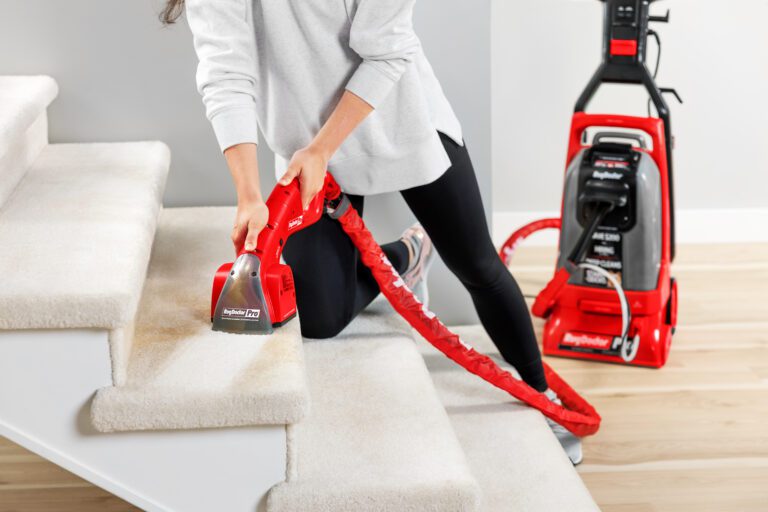
Keeping your carpet cleaning machine in optimal condition is essential for effective results and long-term reliability. A well-planned carpet cleaner maintenance schedule not only extends the life of your equipment but also ensures every cleaning session delivers the best possible outcome. Whether you use a machine at home or for professional jobs, regular care prevents breakdowns, protects your investment, and maintains hygienic standards.
Many users overlook the importance of routine maintenance, leading to clogged hoses, reduced suction, and even permanent damage. By following a structured approach and understanding when and how to perform key tasks, you can avoid costly repairs and enjoy consistently clean carpets. For those dealing with pet hair, integrating advice from resources like the pet hair removal from carpet home cleaning guide can further optimize your cleaning routine.
Why a Routine Matters for Your Carpet Cleaner
Establishing a regular care plan for your carpet cleaning machine is more than a simple chore—it’s a critical step in preserving its functionality. Dirt, detergent residue, and debris can accumulate inside tanks, brushes, and hoses. Over time, this buildup can cause blockages, reduce cleaning power, and even lead to foul odors. By sticking to a carpet cleaner maintenance schedule, you minimize these risks and ensure your machine is always ready for action.
Neglecting upkeep can void warranties and shorten the life of your equipment. Manufacturers often recommend specific intervals for cleaning and inspection, which are designed to keep all components running smoothly. Adhering to these guidelines also helps maintain the cleanliness of your home, as a well-maintained machine is more effective at removing dirt, allergens, and stains from carpets.
Daily and After-Use Maintenance Tasks
Each time you use your carpet cleaning machine, a few simple steps can make a big difference. Immediately after cleaning, empty and rinse the dirty water tank to prevent mold and bacteria growth. Clean the solution tank as well, ensuring no detergent residue remains. Remove and rinse filters, brushes, and nozzles under running water to clear away fibers and debris.
Wipe down the exterior of the machine with a damp cloth, paying attention to wheels and attachments. Allow all parts to dry completely before reassembling and storing the unit. These daily habits prevent buildup and keep your machine smelling fresh.
Weekly and Monthly Maintenance Checklist
Beyond daily cleaning, a more thorough inspection should be performed on a weekly or monthly basis, depending on usage. Here’s a sample checklist to keep your machine in peak condition:
- Inspect hoses and connections for cracks, leaks, or blockages.
- Deep clean brushes and rollers to remove tangled hair, threads, and stubborn debris.
- Check filters (if applicable) and wash or replace as needed to maintain airflow and suction.
- Examine power cords for fraying or exposed wires, ensuring safe operation.
- Descale internal components if you use hard water, following the manufacturer’s instructions.
For those who frequently tackle pet hair, supplementing your routine with advice from the pet hair removal from carpet ultimate guide can help prevent clogs and maintain suction power.
Seasonal and Annual Maintenance for Longevity
Every few months or at least once a year, it’s wise to conduct a comprehensive inspection and deep clean. This includes:
- Disassembling removable parts for soaking and scrubbing.
- Checking seals and gaskets for wear and replacing if necessary.
- Lubricating moving parts as recommended by the manufacturer.
- Reviewing the user manual for any model-specific tasks.
Annual maintenance is also a good time to assess whether your machine is still meeting your needs or if an upgrade is warranted. For more details on advanced cleaning strategies, the pet hair removal from carpet cleaning strategies article offers additional insights.
Common Mistakes to Avoid in Your Maintenance Routine
Even with the best intentions, some users make errors that can compromise their carpet cleaner’s performance. Avoid these pitfalls:
- Leaving water or cleaning solution in tanks between uses, which can cause mold and odors.
- Forgetting to clean or replace filters, leading to reduced suction and overheating.
- Using harsh chemicals not approved by the manufacturer, which can damage internal parts.
- Neglecting to check for blockages in hoses and nozzles.
- Storing the machine in damp or unventilated areas, increasing the risk of corrosion.
Following a structured carpet cleaner maintenance schedule helps you sidestep these issues and keeps your equipment running smoothly.
Expert Tips for Extending the Life of Your Machine
To maximize the lifespan and efficiency of your carpet cleaning device, consider these expert recommendations:
- Always use the recommended cleaning solutions and avoid overfilling tanks.
- Allow all parts to dry thoroughly before storage to prevent mildew.
- Store your machine in a cool, dry place away from direct sunlight.
- Schedule reminders for monthly and annual maintenance tasks.
- Consult your user manual for model-specific care instructions.
For a more comprehensive overview of carpet care, this carpet cleaning guide from Kärcher provides additional insights and best practices.
FAQs About Maintaining Your Carpet Cleaning Machine
How often should I clean the tanks and brushes on my carpet cleaner?
It’s best to rinse and dry the tanks and brushes after every use. This prevents buildup of dirt and cleaning solution, reduces odors, and keeps your machine ready for the next cleaning session.
What should I do if my carpet cleaner loses suction?
First, check for blockages in the hose, nozzle, and filters. Clean or replace filters as needed and ensure all parts are properly assembled. Regularly following your carpet cleaner maintenance schedule will help prevent suction issues.
Can I use homemade cleaning solutions in my carpet cleaning machine?
Always check your manufacturer’s guidelines before using homemade solutions. Some ingredients can damage internal components or void your warranty. Stick to approved products for best results and machine longevity.
How do I remove pet hair from my carpet before using a carpet cleaner?
Vacuum thoroughly and consider using a rubber brush or a specialized pet hair attachment. For more tips, see the pet hair removal from carpet practical household tips article.
Is it necessary to descale my carpet cleaner?
If you use hard water, descaling every few months helps prevent mineral buildup inside your machine. Follow the manufacturer’s instructions for safe descaling procedures.
Maintaining your carpet cleaning equipment doesn’t have to be complicated. By following a consistent carpet cleaner maintenance schedule and using the right techniques, you’ll enjoy cleaner carpets and a longer-lasting machine.
