
Berber carpets are a popular flooring choice thanks to their durability, unique looped texture, and modern appearance. However, their construction also makes them sensitive to certain cleaning methods and products. If you want to keep your Berber carpet looking its best, it’s essential to use a carpet cleaner safe for Berber carpet and follow the right cleaning practices. Using the wrong approach can lead to permanent damage, discoloration, or even unraveling of the loops.
This guide explains the dos and don’ts of cleaning Berber carpets, highlights what to look for in a safe carpet cleaner, and shares practical tips for routine care and stain removal. Whether you’re dealing with everyday dirt or a stubborn spill, understanding the right cleaning strategies will help you protect your investment and maintain a fresh, attractive home.

Before diving into cleaning techniques, it’s worth noting that Berber carpets can also attract pet hair, which can be challenging to remove. For more targeted advice, see our pet hair removal from carpet home cleaning guide for effective solutions that won’t harm your carpet’s texture.
Understanding Berber Carpet and Its Cleaning Needs
Berber carpets are characterized by their looped pile construction, which gives them a distinct look and feel. The loops can be made from various materials, including nylon, olefin (polypropylene), or wool. While these carpets are known for their resilience and ability to hide dirt, their loops are prone to snagging and can trap debris deep within the fibers.
Because of this unique structure, using a carpet cleaner safe for Berber carpet is crucial. Harsh chemicals, excessive moisture, or aggressive scrubbing can damage the loops, cause discoloration, or even lead to mold growth if not dried properly. Choosing the right cleaning products and methods will ensure your carpet stays clean without compromising its integrity.
What Makes a Carpet Cleaner Safe for Berber Carpet?
Not all carpet cleaners are suitable for Berber carpets. Here’s what to look for when selecting a cleaning solution or machine:
- Low-moisture formulas: Berber carpets, especially those made from olefin, can absorb water slowly and dry even slower. Excessive moisture can lead to water stains or mildew. Choose a cleaner that requires minimal water or is specifically labeled as low-moisture.
- pH-neutral solutions: Avoid highly alkaline or acidic cleaners, as they can weaken fibers and cause fading. pH-neutral products are gentler and less likely to damage the carpet.
- No harsh solvents or bleach: Strong chemicals can break down the fibers or cause permanent discoloration. Always check the label for compatibility with Berber or loop-pile carpets.
- Gentle application: Use a soft-bristled brush or a machine with adjustable settings to avoid pulling or snagging the loops.
For a deeper dive into professional cleaning options, you can review carpet cleaners used by professionals to see which products and methods are recommended for delicate carpet types.
Dos: Best Practices for Cleaning Berber Carpets
To keep your Berber carpet in top condition, follow these essential dos:
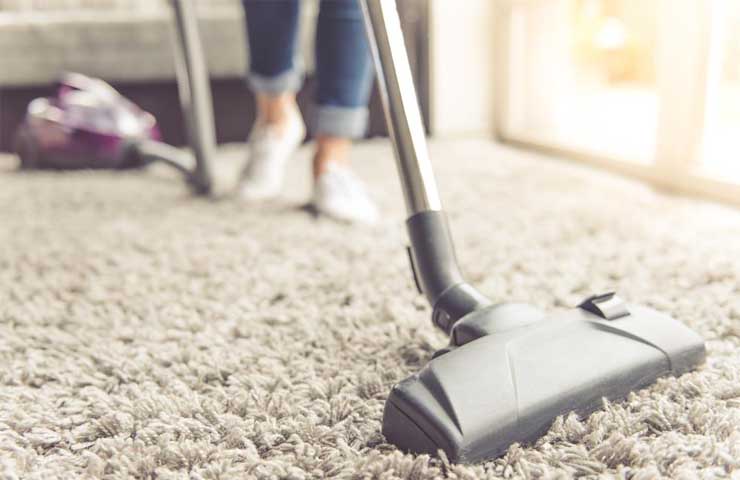
- Vacuum regularly: Frequent vacuuming prevents dirt from settling deep into the loops. Use a vacuum with strong suction but without a beater bar or with the bar turned off to avoid damaging the loops.
- Spot clean spills immediately: Blot (don’t rub) spills with a clean, white cloth. Apply a carpet cleaner safe for Berber carpet according to the manufacturer’s instructions, and blot again to lift the stain.
- Test cleaners first: Always test any new cleaning solution on an inconspicuous area to ensure it doesn’t cause discoloration or damage.
- Use professional cleaning periodically: Every 12–18 months, consider hiring a professional who understands Berber carpet care. They’ll use the right equipment and techniques to deep clean without harming the fibers.
- Dry thoroughly: After cleaning, ensure the carpet dries completely. Open windows, use fans, or run a dehumidifier to speed up the drying process and prevent mold.
Don’ts: Common Mistakes to Avoid
While keeping your carpet clean is important, certain practices can do more harm than good. Here are the top don’ts for Berber carpet care:
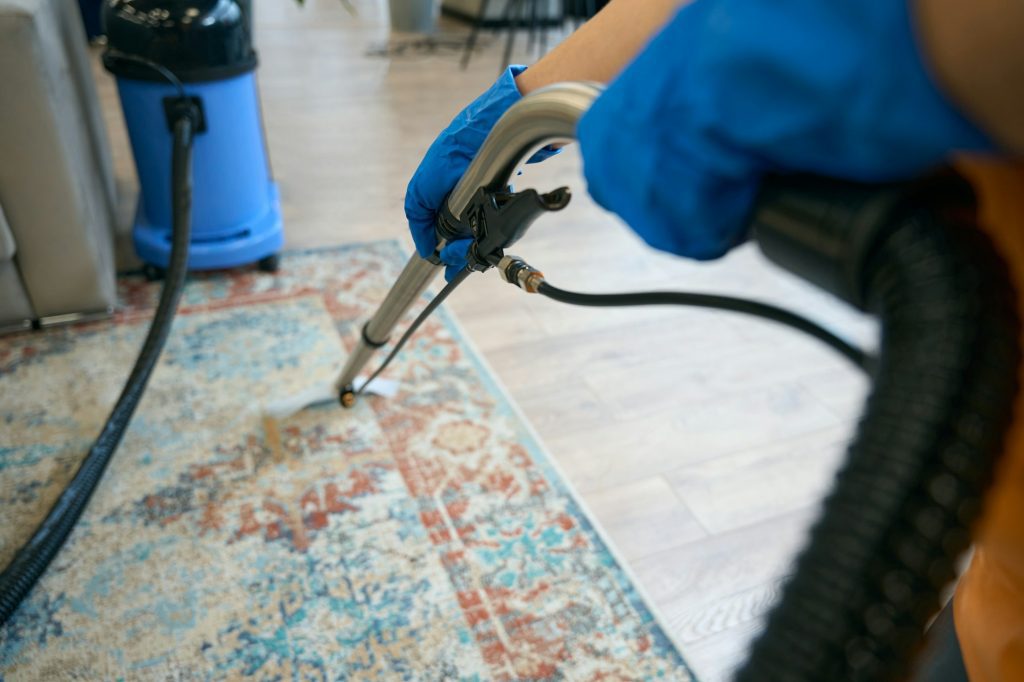
- Don’t use steam cleaners with excessive water: Steam cleaning can saturate the carpet, leading to slow drying and possible mildew. If you use a steam cleaner, opt for a model with strong extraction and minimal water output.
- Don’t scrub aggressively: Vigorous scrubbing can pull or fray the loops, ruining the carpet’s appearance. Always blot stains and use gentle motions.
- Don’t use high-alkaline or bleach-based cleaners: These can cause irreversible fiber damage and color loss.
- Don’t ignore stains: Letting spills sit allows them to penetrate deeper, making them harder to remove and increasing the risk of permanent staining.
- Don’t use a beater bar on your vacuum: The rotating brush can snag loops and cause unraveling. Stick to suction-only or adjustable vacuums.
How to Remove Stains from Berber Carpet
Stain removal requires a gentle approach to avoid damaging the loops. Here’s a step-by-step method:
- Blot up excess liquid: Use a white, absorbent cloth to soak up as much of the spill as possible. Avoid rubbing.
- Apply a safe carpet cleaner: Choose a carpet cleaner safe for Berber carpet and follow the instructions. Apply only as much as needed to cover the stain.
- Blot again: Press a clean cloth onto the area to lift the stain and cleaner. Repeat as needed, using fresh cloths.
- Rinse with water: If the cleaner requires rinsing, use a damp cloth with plain water and blot dry.
- Dry thoroughly: Place a fan nearby or open windows to ensure the area dries quickly.
For pet owners, stubborn stains and hair can be a challenge. Our pet hair removal from carpet ultimate guide offers additional strategies for keeping your Berber carpet free from fur and odors.
Routine Maintenance Tips for Long-Lasting Berber Carpets
Consistent care will extend the life and appearance of your Berber carpet. Here are some maintenance tips:
- Rotate furniture: Move heavy furniture occasionally to prevent crushing the loops and creating permanent indentations.
- Use entry mats: Place mats at entrances to reduce the amount of dirt tracked onto the carpet.
- Address pet hair: Regularly remove pet hair using a vacuum or a rubber squeegee. For more details, check out our pet hair removal from carpet practical household tips.
- Schedule professional cleaning: Even with regular maintenance, periodic professional cleaning helps remove deep-seated dirt and refresh the fibers.
FAQ: Berber Carpet Cleaning and Safe Products
What type of carpet cleaner should I use for Berber carpet?
Choose a carpet cleaner safe for Berber carpet, ideally one that is low-moisture, pH-neutral, and free from harsh chemicals. Always check the label for compatibility with loop-pile or Berber carpets.
Can I use a steam cleaner on Berber carpet?
Steam cleaners can be used with caution, but avoid excessive water and ensure the machine has strong extraction. Too much moisture can cause water stains or mold. Use only as directed and dry the carpet thoroughly afterward.
How do I prevent my Berber carpet from snagging during cleaning?
Use a vacuum without a beater bar or with the bar turned off, and avoid aggressive scrubbing. When spot cleaning, always blot stains gently and use soft-bristled brushes if needed.
How often should I clean my Berber carpet?
Vacuum at least once a week, spot clean spills immediately, and schedule a professional cleaning every 12–18 months for best results.
By following these dos and don’ts, using a carpet cleaner safe for Berber carpet, and maintaining a regular cleaning routine, you can keep your Berber carpet looking fresh and beautiful for years to come.
