
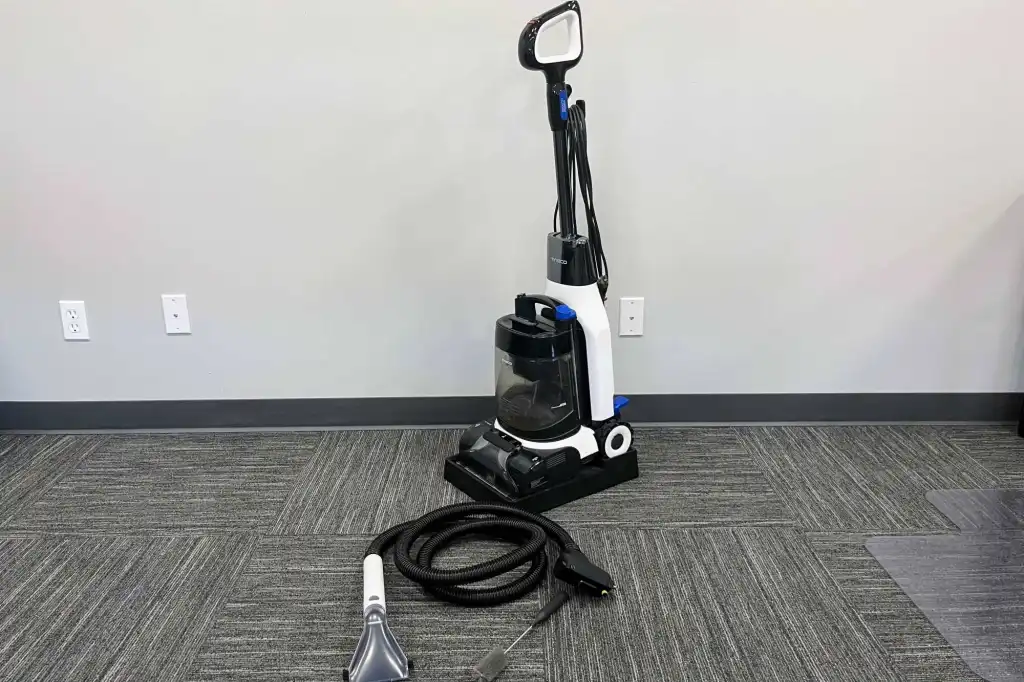
Using a carpet cleaning machine can make a dramatic difference in the look and hygiene of your home. However, it’s essential to understand the carpet cleaner safety precautions that protect both you and your property. Whether you’re tackling pet stains, deep-seated dirt, or routine maintenance, following proper safety guidelines ensures effective cleaning and minimizes risks.
This guide covers the most important steps for safe operation, handling chemicals, protecting your carpets, and maintaining your equipment. By understanding these principles, you’ll not only achieve better results but also avoid common hazards associated with carpet cleaning machines and solutions.
For those dealing with pet hair and related messes, you may find the pet hair removal from carpet home cleaning guide helpful before starting your next deep clean.
Why Safety Matters When Using Carpet Cleaning Machines
Carpet cleaning equipment, whether rented or owned, combines water, electricity, and chemicals. This combination can present hazards if not handled correctly. Understanding carpet cleaner safety precautions helps prevent electrical shocks, chemical burns, respiratory issues, and accidental damage to your flooring or furniture.
Additionally, improper use can void warranties or shorten the lifespan of your carpet. By following best practices, you protect your investment and maintain a healthier indoor environment.
Preparing for Safe Carpet Cleaning
Preparation is a key part of any safe cleaning routine. Before you start, take the following steps:
- Read the user manual for your specific carpet cleaner model. Each machine has unique features and safety instructions.
- Inspect the equipment for frayed cords, cracks, or leaks. Never use a damaged machine.
- Clear the area of small furniture, toys, and obstacles to prevent tripping or tangling the power cord.
- Ventilate the room by opening windows or using fans, especially when working with chemical solutions.
- Test cleaning solutions on a small, hidden patch of carpet to check for colorfastness and adverse reactions.
For more on the science and methods behind professional carpet care, see this comprehensive overview of carpet cleaning techniques.
Electrical and Water Safety Precautions
Water and electricity are a hazardous mix. Always observe the following guidelines:
- Plug the carpet cleaner directly into a grounded outlet. Avoid using extension cords, which can overheat or cause tripping hazards.
- Keep electrical connections dry. Never operate the machine with wet hands or in standing water.
- Unplug the unit before filling, emptying, or cleaning the water tanks.
- Do not overfill tanks to prevent leaks and spills that could reach electrical parts.
- Supervise children and pets during operation to keep them away from cords and moving parts.
Safe Handling of Carpet Cleaning Chemicals
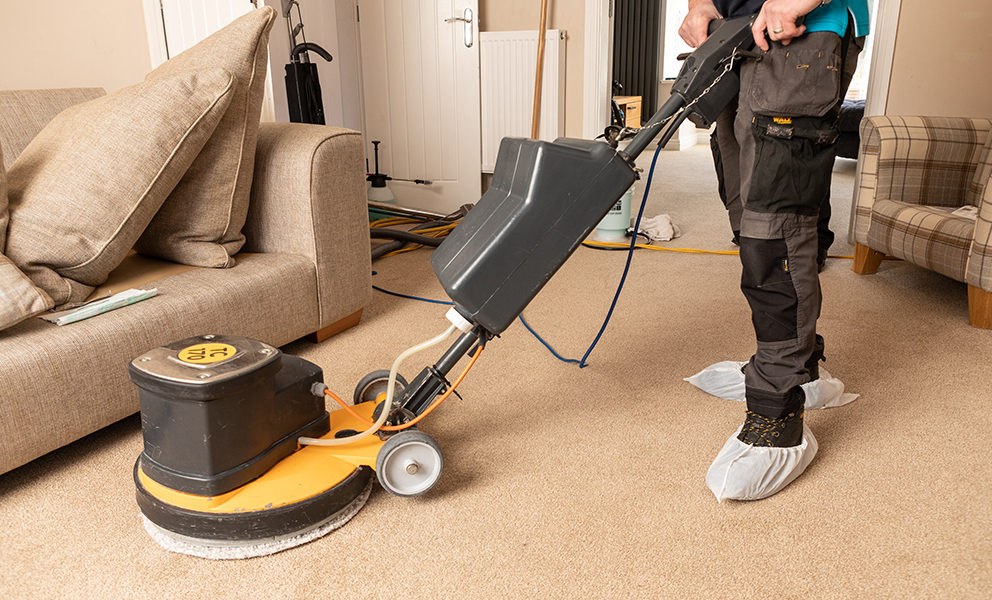
Many carpet cleaning solutions contain detergents, solvents, or disinfectants. Improper use can cause skin irritation, respiratory discomfort, or damage to your carpet fibers. To handle these chemicals safely:
- Always wear gloves when mixing or pouring cleaning solutions.
- Store chemicals out of reach of children and pets, and never transfer them to unlabeled containers.
- Follow dilution instructions precisely. Using too much cleaner can leave residues or harm your carpet.
- Avoid mixing products, as some combinations can release harmful fumes.
- Rinse tanks and tools thoroughly after use to prevent buildup and cross-contamination.
Protecting Your Carpets and Home
While focusing on carpet cleaner safety precautions, don’t overlook the protection of your flooring and furnishings:
- Move delicate furniture and place foil or plastic under legs to prevent wood stains or rust marks.
- Use only approved solutions for your carpet type. Wool, synthetic, and blended fibers may require different products.
- Do not oversaturate the carpet. Excess moisture can lead to mold, mildew, or subfloor damage.
- Allow adequate drying time before replacing furniture or walking on the carpet to avoid impressions and slips.
If pet hair is a recurring issue, you might benefit from the pet hair removal from carpet ultimate guide for specialized tips.
Personal Safety Tips for Carpet Cleaning
Protecting yourself is just as important as protecting your home. Here are some personal safety measures to follow:
- Wear non-slip shoes to avoid slipping on wet surfaces.
- Use a mask if you are sensitive to dust, fragrances, or chemical fumes.
- Take breaks to prevent fatigue, especially when cleaning large areas.
- Keep the area well-lit to spot hazards and ensure thorough cleaning.
Maintaining Your Carpet Cleaner for Ongoing Safety
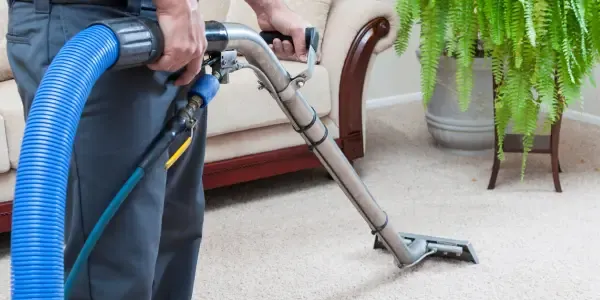
Routine maintenance not only extends the life of your equipment but also ensures safe operation:
- Empty and rinse tanks after each use to prevent mold and bacteria growth.
- Check and clean filters regularly to maintain suction and prevent overheating.
- Inspect hoses and attachments for blockages or wear.
- Store the machine in a dry, cool place, away from direct sunlight and moisture.
For more practical cleaning strategies, the pet hair removal from carpet cleaning strategies article offers additional insights for maintaining a spotless home.
Common Mistakes to Avoid
Even experienced users can overlook important safety steps. Here are some frequent errors and how to avoid them:
- Skipping the patch test can result in permanent carpet discoloration.
- Using hot water on delicate fibers may cause shrinkage or damage.
- Leaving cleaning solution in the tank can lead to odors and bacterial growth.
- Neglecting ventilation increases exposure to fumes and slows drying.
- Overusing detergent leaves sticky residues that attract more dirt.
FAQ: Carpet Cleaner Safety and Best Practices
What should I do if I spill carpet cleaning solution on my skin?
Immediately rinse the affected area with plenty of water. If irritation persists, seek medical advice and bring the product label for reference. Always wear gloves to prevent direct contact with cleaning chemicals.
Can I use a carpet cleaner on all types of carpets?
No. Some carpets, such as wool or silk blends, require special care and specific cleaning solutions. Always check your carpet manufacturer’s recommendations and perform a patch test before cleaning the entire area.
How can I speed up carpet drying after cleaning?
Increase ventilation by opening windows and using fans. Avoid walking on the carpet until it is fully dry to prevent slips and re-soiling. If possible, use a dehumidifier to reduce moisture in the room.
Is it safe to use homemade cleaning solutions?
Homemade solutions can be effective, but only if you’re certain they won’t damage your carpet fibers or interact dangerously with your machine. Avoid mixing vinegar or bleach with other chemicals, and always test on a small area first.
Conclusion
Prioritizing carpet cleaner safety precautions ensures that your cleaning sessions are both effective and risk-free. By preparing your space, handling equipment and chemicals responsibly, and maintaining your machine, you protect your health and your home. For more tips on keeping carpets fresh and safe, explore related resources on this site or consult professional cleaning guides as needed.
