
When it comes to deep cleaning carpets, the terms “carpet cleaner shampoo” and “carpet cleaning solution” are often used interchangeably. However, there are important distinctions between these products that can affect cleaning results, machine compatibility, and even the longevity of your carpet. Understanding the differences helps you select the right product for your needs, whether you’re tackling tough stains, routine maintenance, or specific issues like pet hair and odors.
This article breaks down the key differences, benefits, and best uses for each type of cleaning product. You’ll also find practical advice on choosing the right formula for your carpet type and cleaning machine, plus answers to common questions about carpet care. For those dealing with pet hair, check out our pet hair removal from carpet home cleaning guide for more targeted tips.
Understanding Carpet Cleaner Shampoo
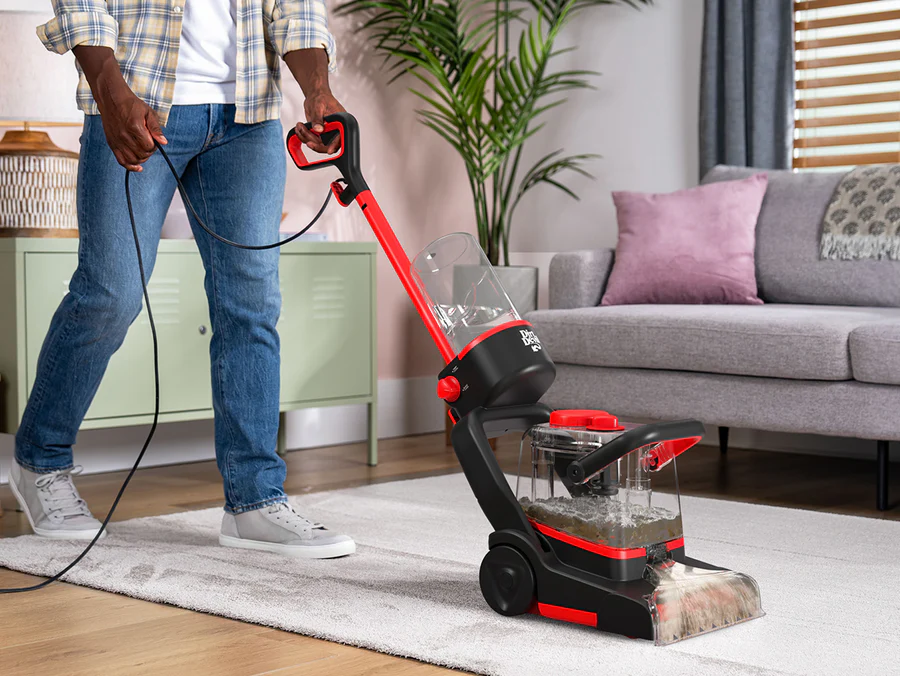
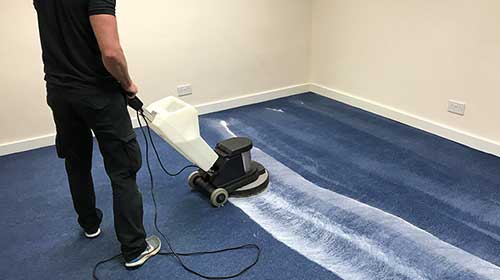
Carpet cleaner shampoo is a specialized detergent designed specifically for use in carpet cleaning machines, such as upright or portable carpet washers. These shampoos are formulated to create foam that lifts dirt, stains, and debris from carpet fibers. The foaming action helps suspend grime, making it easier for the machine to extract both the shampoo and the loosened soil.
Most carpet shampoos contain a blend of surfactants, cleaning agents, and sometimes deodorizers. They’re generally safe for synthetic carpets and are effective at removing everyday dirt and light stains. Some formulas are designed to be gentle on fibers, while others target heavy-duty cleaning for high-traffic areas.
- Best for: Routine cleaning, light to moderate stains, synthetic carpets
- Machine compatibility: Upright and portable carpet washers
- Foaming: High-foaming for deep cleaning action
What Is a Carpet Cleaning Solution?
A carpet cleaning solution is a broader term that refers to any liquid or concentrate used to clean carpets. This category includes shampoos, but also encompasses low-foam detergents, spot removers, and even eco-friendly or enzyme-based formulas. Solutions may be designed for specific cleaning machines, manual use, or particular types of stains and odors.
Unlike traditional shampoos, many modern solutions are low-foaming or even foam-free. This is especially important for high-efficiency machines and steam cleaners, which require minimal suds to prevent residue buildup and machine damage. Some solutions are formulated for use with hot water extraction, while others are intended for spot treatment or pre-treating stains before a full cleaning.
- Best for: Targeted stain removal, odor control, wool or specialty carpets
- Machine compatibility: Steam cleaners, hot water extractors, and some upright machines
- Foaming: Low-foam or no-foam options available
Key Differences Between Carpet Shampoo and Cleaning Solution
While both products aim to clean carpets, there are several important distinctions to consider. Here’s a breakdown of the main differences:
| Feature | Carpet Cleaner Shampoo | Carpet Cleaning Solution |
|---|---|---|
| Foaming Action | High-foaming | Low-foam or foam-free |
| Best Use | General cleaning, light stains | Stain removal, odor control, specialty carpets |
| Machine Compatibility | Upright/portable carpet washers | Steam cleaners, extractors, spot cleaners |
| Residue Risk | May leave residue if not rinsed well | Formulated to minimize residue |
| Ingredients | Surfactants, detergents, fragrance | Varies: enzymes, oxygen, plant-based, etc. |
Choosing the right product depends on your cleaning goals, machine type, and carpet material. If you’re unsure, consult your carpet manufacturer’s care instructions or your machine’s user manual.
When to Use Carpet Shampoo vs Cleaning Solution
For regular maintenance and general dirt removal, a traditional carpet shampoo is usually sufficient. These products are ideal for synthetic carpets and homes without specific stain or odor issues. If you’re dealing with pet accidents, wine spills, or persistent odors, a targeted cleaning solution may be more effective.
Some situations where a specialized solution is preferable include:
- Removing tough stains (coffee, wine, ink, pet messes)
- Deodorizing after pet accidents or smoke exposure
- Cleaning wool, silk, or other delicate fibers
- Using a steam cleaner or hot water extractor
For more strategies on keeping carpets free of pet hair and allergens, see our pet hair removal from carpet cleaning strategies article.
How to Choose the Right Product for Your Carpet
Before purchasing any cleaning product, consider these factors:
- Carpet Material: Check if your carpet is synthetic, wool, or a blend. Wool and natural fibers may require gentle, low-pH solutions.
- Type of Machine: Use only products recommended for your specific carpet cleaner. High-foam shampoos can damage steam cleaners or extractors.
- Stain Type: For general dirt, standard shampoo works well. For specific stains, look for enzyme-based or oxygen-activated solutions.
- Residue Concerns: Low-foam solutions are less likely to leave sticky residue that attracts new dirt.
- Fragrance and Sensitivities: If you have allergies, opt for fragrance-free or hypoallergenic formulas.
Always follow the manufacturer’s instructions for dilution and application. Overusing detergent can lead to residue buildup and may void your carpet’s warranty.
Benefits and Drawbacks of Each Approach
Both carpet shampoos and cleaning solutions have their pros and cons. Here’s what to keep in mind:
- Carpet Shampoos: Effective for routine cleaning, widely available, and often affordable. However, they can leave residue if not rinsed thoroughly and may not tackle deep stains or odors.
- Cleaning Solutions: Versatile, with options for specific stains, odors, and carpet types. Low-foam formulas reduce residue risk, but some specialty solutions can be more expensive or require careful handling.
For a deeper dive into cleaning methods and carpet care, the carpet cleaning overview on Wikipedia provides additional background and techniques.
Tips for Effective Carpet Cleaning
- Vacuum thoroughly before using any wet cleaning product.
- Test the product on a hidden area to check for colorfastness.
- Don’t over-wet the carpet; use only as much solution as recommended.
- Rinse with clean water if your machine allows, especially after using high-foam shampoos.
- Allow carpets to dry completely before walking on them or replacing furniture.
For more practical advice, see our pet hair removal from carpet practical household tips for everyday maintenance strategies.
Frequently Asked Questions
Can I Use Carpet Shampoo in a Steam Cleaner?
It’s best to use only products labeled as safe for steam cleaners or hot water extractors. High-foam shampoos can cause excess suds, leading to machine damage or poor cleaning results. Always check your machine’s manual for recommended products.
What Happens If I Use Too Much Cleaning Solution?
Overusing detergent or solution can leave sticky residue in your carpet, which attracts dirt and leads to rapid re-soiling. Always follow dilution instructions and rinse if possible to prevent buildup.
Are There Eco-Friendly Options for Carpet Cleaning?
Yes, many manufacturers offer plant-based, biodegradable, or enzyme-powered solutions that are effective and safer for the environment. Look for products labeled as non-toxic and free from harsh chemicals if you prefer a greener approach.
How Often Should I Deep Clean My Carpets?
Most experts recommend deep cleaning carpets every 6–12 months, or more frequently in high-traffic areas or homes with pets and children. Regular vacuuming and spot cleaning help extend the time between deep cleans.
Conclusion
Choosing between a carpet shampoo and a cleaning solution depends on your carpet type, cleaning equipment, and specific needs. Shampoos are great for routine maintenance, while specialized solutions tackle tough stains, odors, and delicate fibers. By understanding the differences and following best practices, you can keep your carpets looking fresh and extend their lifespan. For more in-depth cleaning advice, explore our other resources on carpet care and maintenance.
