
Keeping stairs spotless can be a challenge, especially when dirt, pet hair, and stains accumulate in high-traffic areas. Using a carpet cleaner stair tool is one of the most efficient ways to maintain clean and hygienic steps. This guide will walk you through the best practices for safe and effective cleaning, highlight the benefits of specialized attachments, and provide actionable tips for getting the most out of your equipment.
Whether you’re dealing with muddy footprints, accidental spills, or persistent pet hair, understanding the right techniques and tools can make a noticeable difference. If you’re also interested in tackling pet hair, you might find the pet hair removal from carpet home cleaning guide helpful for comprehensive cleaning strategies.
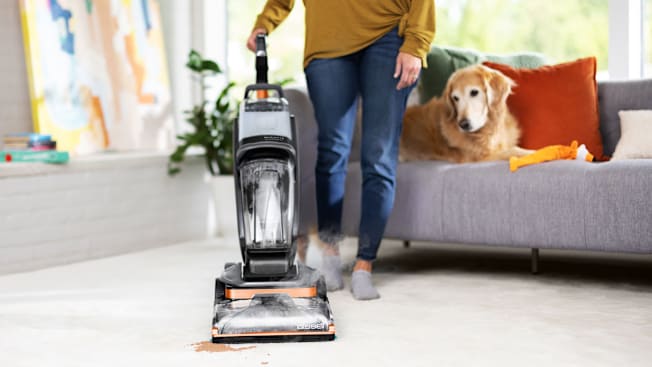
Why Use a Stair Tool for Carpet Cleaning?
Staircases are often overlooked during routine cleaning, yet they collect more debris than flat surfaces. Standard carpet cleaners are bulky and not designed for the tight corners and vertical risers found on stairs. That’s where a dedicated stair attachment comes in. These tools are engineered to:
- Reach narrow spaces and awkward angles
- Deliver targeted suction and cleaning solution
- Remove embedded dirt, allergens, and pet hair
- Protect delicate carpet fibers from excessive wear
By using a stair-specific tool, you can achieve a deeper clean without damaging your carpet or straining your back.
Getting Started: Preparing for Safe Stair Cleaning
Before you begin, it’s important to prepare both your equipment and the area you’ll be cleaning. Follow these steps for optimal results and safety:
- Clear the stairs: Remove any objects, rugs, or debris to prevent tripping and ensure full access to each step.
- Vacuum thoroughly: Use a handheld vacuum or the hose attachment to pick up loose dirt, dust, and pet hair. This prevents clogging and allows the stair tool to focus on deep cleaning.
- Check your carpet cleaner: Make sure the machine is in good working order, the water tank is filled, and the cleaning solution is appropriate for your carpet type.
- Attach the stair tool: Securely connect the stair attachment according to the manufacturer’s instructions. Test the suction and spray on a small area before proceeding.
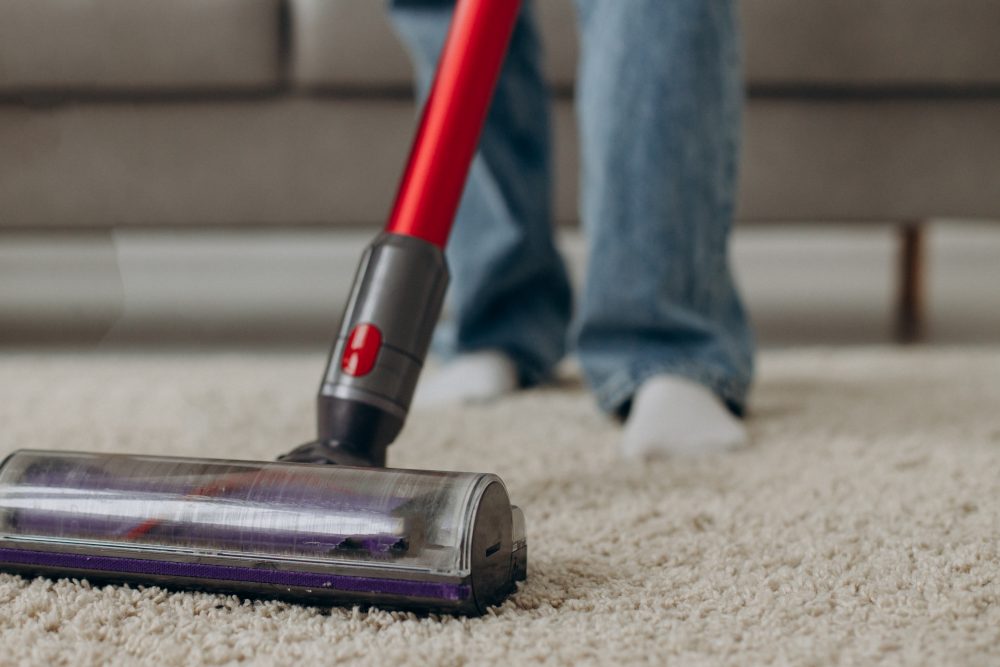
Step-by-Step Guide to Using a Carpet Cleaner Stair Attachment
For best results, follow these steps when using your stair cleaning tool:
- Start at the top: Begin cleaning from the highest step and work your way down. This prevents stepping on freshly cleaned areas and avoids tracking dirt onto clean steps.
- Apply cleaning solution: Press the trigger to spray the cleaning solution evenly across the step. Avoid oversaturating the carpet, as excess moisture can lead to mold or mildew.
- Agitate and extract: Use the brush or scrubbing feature of the stair tool to loosen dirt and stains. Move the tool slowly to allow the suction to extract as much moisture and debris as possible.
- Repeat if needed: For stubborn spots, repeat the process or use a specialized stain remover. Always test cleaning products on a small, inconspicuous area first.
- Allow to dry: Once finished, let the stairs dry completely before walking on them. Open windows or use fans to speed up the drying process.
Proper carpet cleaner stair tool usage not only improves cleanliness but also extends the life of your carpeting by removing abrasive particles that can wear down fibers over time.
Common Mistakes to Avoid When Cleaning Stairs
Even with the right equipment, mistakes can happen. Here are some pitfalls to watch out for:
- Skipping the vacuuming step: Failing to remove loose debris first can clog your machine and reduce cleaning effectiveness.
- Using too much water: Over-wetting the carpet can cause long drying times and potential water damage.
- Neglecting the risers: The vertical parts of stairs collect dust and should be cleaned along with the treads.
- Not following manufacturer instructions: Each carpet cleaner and stair tool may have unique features. Always consult the user manual for best practices.
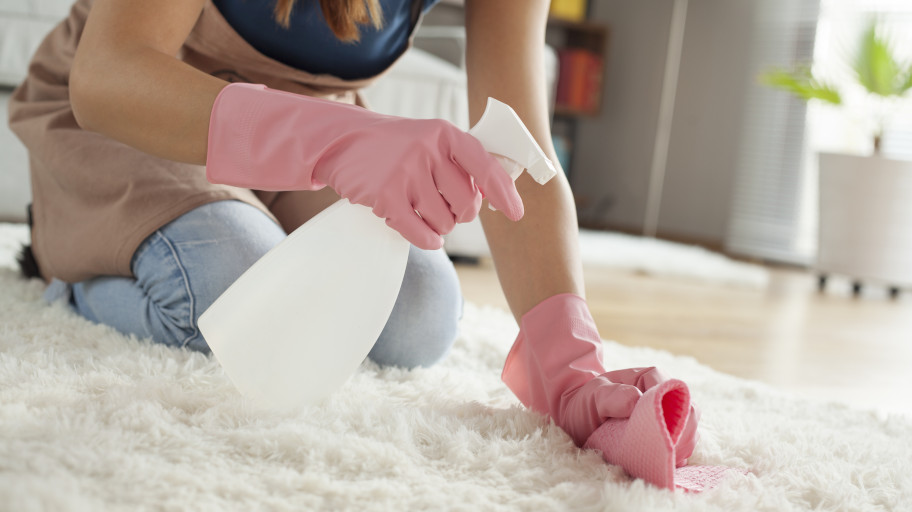
Choosing the Right Equipment for Stairs
Not all carpet cleaners are created equal, especially when it comes to staircases. When selecting a machine and attachments, consider the following:
- Portability: Lightweight and compact models are easier to maneuver on stairs.
- Hose length: A longer hose provides greater reach and flexibility.
- Specialized attachments: Look for stair tools with brushes or rubberized nozzles for better agitation and dirt removal.
- Water tank capacity: Smaller tanks are lighter, but may require more frequent refilling for larger jobs.
For a comparison of cleaning technologies, you can check out this guide on steam cleaner vs. carpet cleaner to determine which method best fits your needs.
Additional Tips for Maintaining Clean Stairs
Regular maintenance can keep your stairs looking their best between deep cleanings. Here are a few extra tips:
- Vacuum stairs at least once a week to prevent dirt buildup.
- Spot clean spills immediately to avoid permanent staining.
- Use doormats at entryways to reduce the amount of dirt tracked onto stairs.
- Consider professional cleaning every 12–18 months for high-traffic areas.
If pet hair is a recurring issue, explore the pet hair removal from carpet cleaning strategies for more targeted advice.
FAQ
How often should I use a stair tool on my carpeted steps?
For most households, using a carpet cleaner stair tool every 2–3 months is sufficient. However, if you have pets, allergies, or heavy foot traffic, more frequent cleaning may be necessary to maintain hygiene and appearance.
Can I use any carpet cleaner on stairs?
While many machines come with stair attachments, not all are suitable for every staircase. Check the manufacturer’s recommendations for your specific model and always use the correct attachment to avoid damaging your carpet or the cleaner itself.
What’s the difference between a stair tool and a regular upholstery tool?
Stair attachments are designed for angled surfaces and tight spaces, often featuring narrower heads and specialized bristles. Upholstery tools are typically wider and better suited for flat, fabric-covered furniture. Using the right tool ensures more effective cleaning and easier handling.
Is it safe to use cleaning solutions on all types of carpet?
Always check your carpet’s care instructions and test any cleaning solution on a hidden area first. Some delicate or natural fiber carpets may require special products to prevent discoloration or damage.
How do I speed up drying time after cleaning stairs?
Increase air circulation by opening windows and using fans. Avoid over-wetting the carpet and, if possible, clean stairs on a dry, warm day to promote faster evaporation.
With the right approach and equipment, maintaining clean and fresh stairs is straightforward. Consistent carpet cleaner stair tool usage will help you keep your home healthier and more inviting for everyone.
