
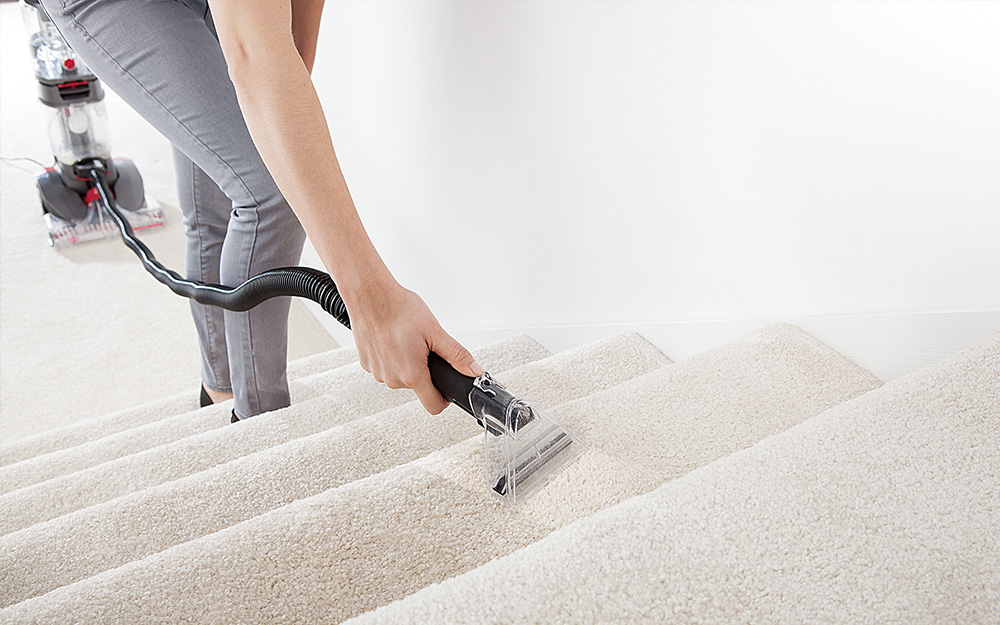
Choosing the right carpet cleaner water tank capacity can make a significant difference in how efficiently and comfortably you clean your carpets. Whether you’re a homeowner tackling pet stains or a professional cleaner managing large spaces, understanding tank size is key to matching your needs with the right machine. In this article, we’ll break down what tank capacity means, how it affects cleaning performance, and what to consider before making your purchase.
For those dealing with persistent pet hair, you may also find the pet hair removal from carpet home cleaning guide helpful as a companion resource.
Understanding Water Tank Sizes in Carpet Cleaners
The water tank in a carpet cleaning machine holds the clean solution that is sprayed onto your carpets during cleaning. Most models also have a separate tank for dirty water that is extracted from the carpet. The size of these tanks, measured in liters or gallons, directly impacts how long you can clean before needing to stop and refill or empty the tanks.
Common tank sizes range from compact 0.5-gallon (about 1.9 liters) models to larger 1-gallon (3.8 liters) or even 2-gallon (7.6 liters) capacities. Portable units tend to have smaller tanks, while upright and professional-grade machines offer larger options for extended cleaning sessions.
How Tank Capacity Affects Cleaning Efficiency
When considering carpet cleaner water tank capacity, think about the size of the area you’ll be cleaning and how often you want to pause for refills. A larger tank means you can clean more square footage in one go, which is especially useful for whole-home or commercial jobs. However, bigger tanks also add weight, making the machine heavier and potentially harder to maneuver.
- Small tanks (0.5–0.75 gallons): Ideal for spot cleaning, stairs, upholstery, or small apartments. Easier to carry and store, but require frequent refills.
- Medium tanks (0.75–1.5 gallons): Suitable for most homes, balancing capacity and portability. Good for cleaning several rooms at once.
- Large tanks (1.5–2+ gallons): Best for large homes, offices, or professional use. Fewer interruptions, but heavier to push and empty.
Factors to Consider When Choosing the Right Size
There’s no one-size-fits-all answer to how much tank capacity is enough. Here are the main factors to weigh:
- Home Size and Layout: Larger homes or open spaces benefit from bigger tanks, while apartments or single rooms can get by with smaller ones.
- Frequency of Cleaning: If you clean often, a smaller tank may be manageable. For deep, infrequent cleans, a larger tank saves time.
- Physical Strength and Mobility: Bigger tanks mean more weight, especially when filled. Consider your comfort with lifting and moving the machine.
- Storage Space: Compact models fit in closets or under sinks, while large-capacity units require more storage room.
- Type of Messes: Households with pets, children, or frequent spills may need a larger tank to handle repeated cleaning without constant refills.
For those specifically dealing with pet-related messes, our pet hair removal from carpet ultimate guide offers additional cleaning strategies.
Comparing Portable vs. Upright Carpet Cleaners
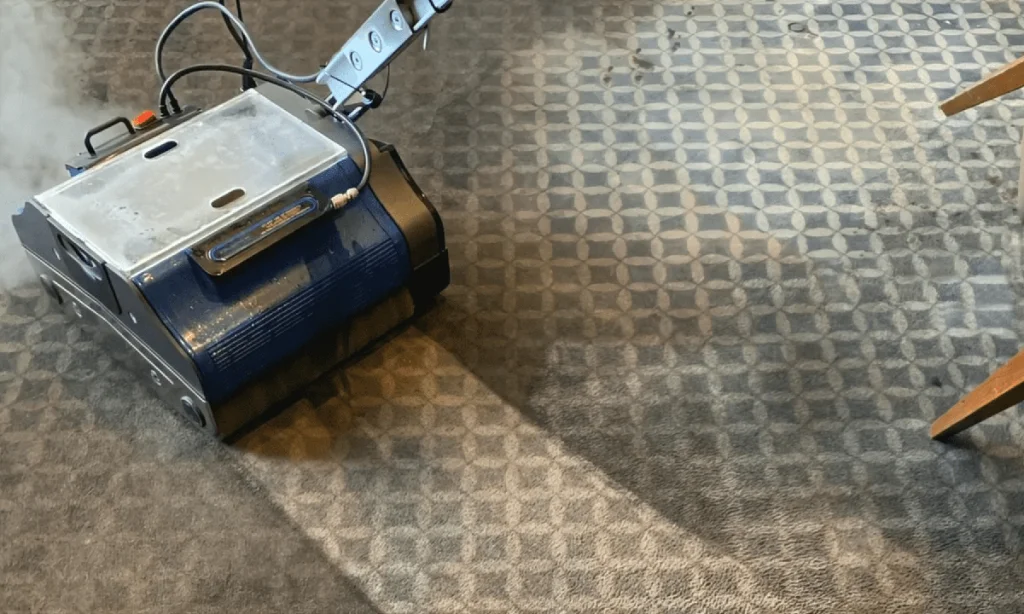
Portable carpet cleaners are designed for quick spot treatments and upholstery. Their tanks are typically under 1 gallon, making them lightweight and easy to use for small jobs. Upright models, on the other hand, are built for larger areas and deep cleaning, often featuring tanks of 1 to 2 gallons or more.
The trade-off is clear: portables are easy to carry and store, but require more frequent refills. Uprights handle bigger jobs with fewer interruptions but can be cumbersome, especially when filled to capacity. If you need both versatility and power, some brands offer mid-sized models that strike a balance between portability and tank size.

Tips for Maximizing Cleaning Performance
Regardless of the tank size you choose, a few simple practices can help you get the most out of your carpet cleaning sessions:
- Always fill the clean water tank with the recommended amount of water and cleaning solution.
- Empty the dirty water tank promptly to avoid overflow and maintain suction power.
- Pre-treat tough stains to reduce the number of passes needed, saving water and time.
- Clean and dry tanks after each use to prevent mold, odors, and buildup.
- Check your machine’s manual for specific maintenance tips related to tank care.
For more on how these machines work and how tank size impacts cleaning, see this in-depth explanation of carpet cleaning technology.
When Is a Larger Tank Worth It?
Opting for a bigger tank is worthwhile if you regularly clean large areas, have multiple pets, or want to minimize interruptions. However, if you mostly need to spot clean or have limited storage, a smaller, more portable unit may be the better choice. Consider your unique needs, cleaning habits, and physical comfort before deciding.
If you’re interested in keeping your home free of pet hair as well as stains, check out our practical household tips for pet hair removal from carpet for additional advice.
Frequently Asked Questions
What is the ideal carpet cleaner water tank capacity for a typical home?
For most homes, a tank size between 0.75 and 1.5 gallons offers a good balance of cleaning coverage and ease of use. This size allows you to clean several rooms before needing to refill, without making the machine too heavy to handle.
Does a larger tank mean better cleaning results?
Not necessarily. While a larger tank lets you clean more area at once, cleaning performance depends more on suction power, brush design, and cleaning solution. However, fewer refills can make the process more efficient and less disruptive.
Are there any downsides to choosing a large-capacity carpet cleaner?
The main drawbacks are increased weight and bulk, which can make the machine harder to move and store. If you have limited space or need to carry the cleaner up and down stairs, a smaller model may be more practical.
How often should I empty and clean the tanks?
It’s best to empty the dirty water tank and rinse both tanks after every use. This prevents odors, mold, and residue buildup, ensuring your machine stays in top condition.
Can I use hot water in my carpet cleaner’s tank?
Many machines are designed for warm or hot tap water, but always check your manufacturer’s instructions. Using water that’s too hot can damage internal components or void the warranty.
For more cleaning tips and to keep your carpets looking their best, our fast cleaning tips for pet hair removal from carpet may also be of interest.
