
Maintaining clean carpets in commercial spaces is a crucial part of facility management. High-traffic areas in offices, hotels, schools, and retail environments demand more than just regular vacuuming. The need for deep cleaning and stain removal makes understanding commercial carpet cleaner explained solutions essential for anyone responsible for large-scale floor care. This article breaks down the technology, features, and practical benefits of these machines, helping you choose the right equipment for your business or cleaning service.
For those dealing with specific challenges like pet hair, you may also find our pet hair removal from carpet home cleaning guide helpful for tackling stubborn debris in both residential and commercial settings.
What Sets Commercial Carpet Cleaners Apart?
When comparing professional-grade carpet cleaning machines to household models, the differences are significant. Commercial units are engineered for powerful cleaning performance, durability, and efficiency. They are built to withstand frequent use, cover larger areas, and tackle tough stains that ordinary vacuums or consumer carpet washers cannot handle.
- Motor Power: Commercial machines feature high-wattage motors, delivering stronger suction and deeper extraction.
- Water Capacity: Larger tanks mean fewer refills, making them ideal for big spaces.
- Brush Technology: Advanced rotating or oscillating brushes agitate carpet fibers to lift embedded dirt and debris.
- Durability: Heavy-duty materials and robust construction ensure long-lasting performance in demanding environments.
These features combine to provide a thorough clean, reducing allergens and prolonging carpet life in busy commercial settings.
Types of Professional Carpet Cleaning Machines
Understanding the main categories of commercial carpet cleaning equipment can help you select the right tool for your needs. Here are the most common types:
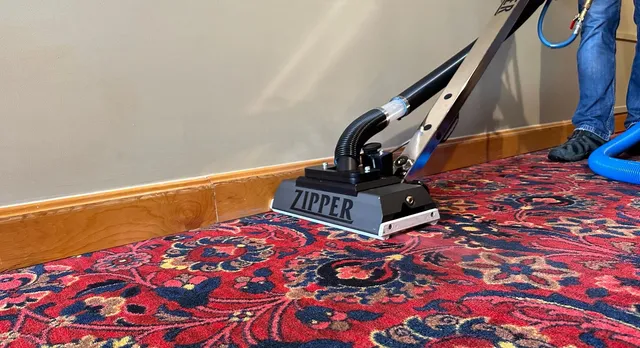
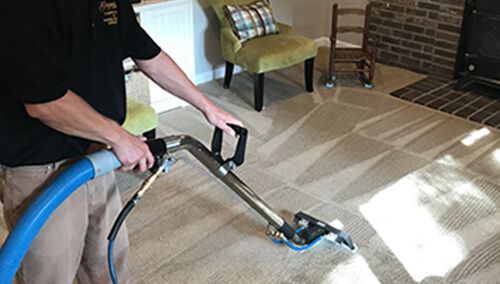
- Carpet Extractors: These machines inject water and cleaning solution deep into the carpet, then extract the dirty water with powerful suction. They are ideal for deep cleaning and stain removal.
- Encapsulation Cleaners: Using minimal moisture, these units apply a special solution that crystallizes dirt, which is then vacuumed away. They are popular for interim maintenance and quick drying times.
- Bonnet Cleaners: These use a rotating pad soaked in cleaning solution to absorb surface dirt. While effective for surface cleaning, they are less suitable for deep soil removal.
- Portable Spot Cleaners: Compact and lightweight, these are designed for quick response to spills and stains in high-traffic areas.
Key Features That Drive Performance
For those seeking a commercial carpet cleaner explained in practical terms, it’s important to look at the features that influence cleaning results and efficiency:
- Adjustable Pressure: Allows you to tailor the cleaning intensity for different carpet types and soil levels.
- Heated Cleaning: Some models heat the cleaning solution, improving stain removal and reducing drying time.
- Multiple Attachments: Tools for edging, stairs, and upholstery expand the machine’s versatility.
- Quick-Dry Technology: High-powered vacuums and airflow systems help carpets dry faster, minimizing downtime.
- Noise Reduction: Many modern machines are designed to operate quietly, which is important in occupied buildings.
Choosing a machine with the right combination of these features ensures you achieve both cleanliness and operational efficiency.
Benefits of Using Professional Carpet Cleaning Equipment
Investing in a robust cleaning machine brings several advantages for businesses and cleaning contractors:
- Enhanced Appearance: Deep cleaning restores carpet color and texture, making spaces look well-maintained.
- Healthier Environment: Removing dirt, allergens, and bacteria contributes to better indoor air quality.
- Cost Savings: Regular deep cleaning extends carpet lifespan, reducing replacement costs.
- Time Efficiency: High-capacity machines clean large areas quickly, freeing up staff for other tasks.
- Professional Results: Consistent, high-quality cleaning meets the expectations of clients and building occupants.
For additional insights into the equipment used by industry experts, see this overview of carpet cleaners used by professionals.
Choosing the Right Machine for Your Needs
With so many options on the market, selecting the right carpet cleaning equipment depends on several factors:
- Facility Size: Larger spaces require machines with bigger tanks and wider cleaning paths.
- Carpet Type: Delicate fibers may need gentler cleaning methods, while durable commercial carpets can handle more aggressive agitation.
- Frequency of Cleaning: High-traffic areas benefit from machines designed for daily or weekly use.
- Portability: For multi-story buildings or spaces with stairs, lightweight or portable models are more practical.
- Budget: Consider both upfront costs and long-term maintenance when making your choice.
It’s also helpful to read user reviews and consult with manufacturers or distributors to ensure you select a model that matches your cleaning requirements.
Maintenance Tips for Longevity and Performance
Proper care is essential to keep your cleaning equipment working at peak performance. Here are some practical maintenance tips:
- Empty and Rinse Tanks: After each use, empty water tanks and rinse them to prevent residue buildup.
- Clean Brushes and Filters: Remove hair, fibers, and debris from brushes and check filters regularly.
- Inspect Hoses and Seals: Look for cracks or leaks that could affect suction power.
- Follow Manufacturer Guidelines: Use recommended cleaning solutions and perform scheduled maintenance as outlined in the user manual.
- Store Properly: Keep the machine in a dry, clean area to avoid corrosion and electrical issues.
Routine care not only extends the life of your equipment but also ensures consistent cleaning results.
Frequently Asked Questions
How often should commercial carpets be cleaned with professional equipment?
For most businesses, a deep cleaning every three to six months is recommended. However, high-traffic areas or facilities with special hygiene needs may require monthly or even weekly cleaning to maintain appearance and health standards.
Can commercial carpet cleaning machines remove tough stains and odors?
Yes, professional-grade machines are designed to tackle stubborn stains, embedded dirt, and lingering odors. Using heated water, strong suction, and specialized cleaning solutions, these units can restore carpets to a like-new condition.
What’s the difference between a carpet extractor and a steam cleaner?
A carpet extractor uses water and cleaning solution to flush out dirt, then vacuums up the dirty water. A steam cleaner uses high-temperature steam to sanitize and loosen soil, but may not extract as much moisture. Extractors are generally preferred for deep cleaning in commercial settings.
Conclusion
Understanding the technology and features behind professional carpet cleaning machines helps you make informed decisions for your facility or cleaning business. By focusing on power, performance, and maintenance, you can ensure your carpets remain clean, healthy, and visually appealing for years to come. For more tips on maintaining carpets and tackling specific challenges, explore our related guides, such as the pet hair removal from carpet ultimate guide and other resources on our site.
