
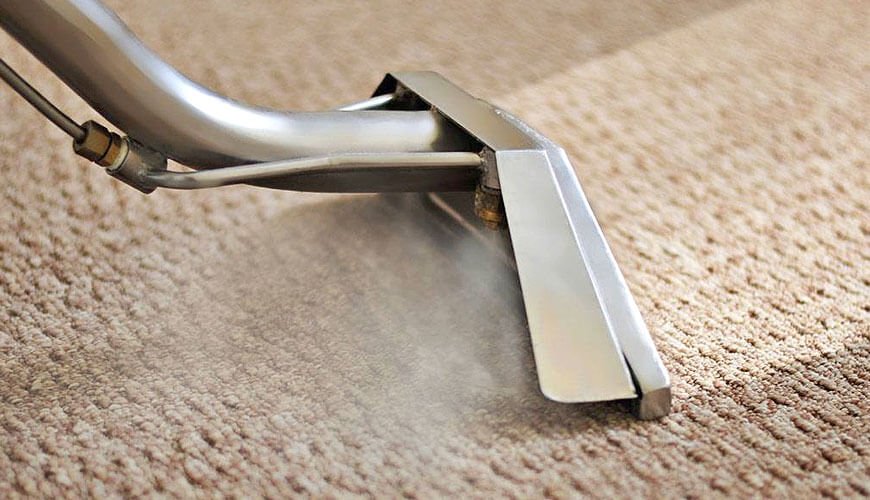
Managing asthma at home often means paying close attention to indoor air quality and the cleanliness of surfaces that can harbor dust, allergens, and irritants. Many people wonder: does steam cleaning help with asthma? The answer lies in how this cleaning method tackles the triggers that can make breathing difficult for those with respiratory sensitivities.
Steam-based cleaning uses high-temperature vapor to sanitize surfaces, breaking down and removing particles that can worsen asthma symptoms. This approach is especially relevant for carpets, upholstery, and other porous materials that tend to trap dust mites, pet dander, and mold spores. By understanding the science behind steam and its effects on common asthma triggers, individuals can make informed decisions about their cleaning routines and potentially improve their overall respiratory comfort.
For those dealing with both asthma and pet hair, maintaining a clean environment is even more important. You may find additional tips in the pet hair removal from carpet ultimate guide, which covers strategies for reducing allergens in the home.
Understanding Asthma Triggers in the Home
Asthma symptoms are often triggered by airborne particles and allergens that accumulate indoors. Common culprits include:
- Dust mites
- Pet dander
- Mold spores
- Pollen tracked in from outside
- Household chemicals and cleaning residues
These substances can settle deep into carpets, rugs, and upholstered furniture, making them difficult to remove with standard vacuuming or surface cleaning. For asthma sufferers, reducing exposure to these triggers is a key part of symptom management.
How Steam Cleaning Reduces Indoor Allergens
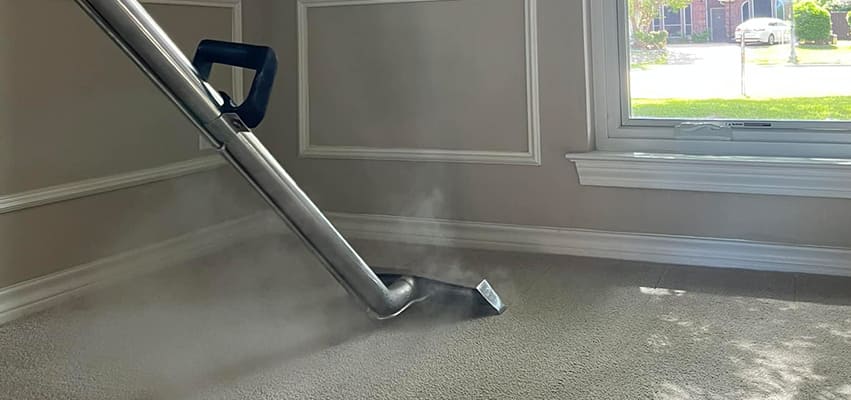
One of the main reasons people ask, “does steam cleaning help with asthma?” is because of its reputation for deep cleaning. Steam penetrates fibers and surfaces, using temperatures high enough to kill dust mites and neutralize many common allergens. Unlike chemical cleaners, steam leaves no residue, which is beneficial for those sensitive to fragrances or harsh substances.
Some of the ways steam cleaning supports a healthier indoor environment include:
- Eliminating dust mites: High heat destroys dust mite populations in carpets and bedding.
- Reducing mold and bacteria: Steam can kill mold spores and bacteria on contact, preventing growth in damp areas.
- Removing pet dander: The vapor loosens and lifts pet hair and dander from soft surfaces.
- No chemical residues: Asthma sufferers often react to cleaning chemicals; steam uses only water.
Comparing Steam Cleaning to Other Methods for Asthma Relief
When considering options for reducing asthma triggers, it’s helpful to compare steam-based cleaning to other common approaches:
| Cleaning Method | Effectiveness Against Allergens | Residue Left Behind |
|---|---|---|
| Steam Cleaning | High – kills dust mites, removes dander, neutralizes mold | None (uses only water) |
| Vacuuming | Moderate – removes surface dust, less effective deep in fibers | None (if HEPA filter used) |
| Shampooing | Moderate – can remove dirt, but may leave moisture | Possible soap or chemical residue |
| Dry Chemical Cleaning | Varies – depends on product, may irritate sensitive individuals | Possible chemical residue |
Steam stands out for its ability to sanitize without introducing new irritants. This makes it a strong choice for those with respiratory sensitivities.
Best Practices for Using Steam to Support Respiratory Health
To maximize the benefits of steam cleaning for asthma, consider these practical tips:
- Use a machine with a high-temperature output (at least 212°F/100°C) to ensure effective allergen removal.
- Focus on high-traffic areas, bedrooms, and soft furnishings where dust and dander accumulate.
- Allow surfaces to dry thoroughly after cleaning to prevent mold growth.
- Repeat the process regularly, especially during allergy season or if you have pets.
- Ventilate the area well during and after cleaning to maintain good air quality.
For those with pets, combining steam cleaning with other strategies from the pet hair removal from carpet practical household tips can further reduce allergens and improve comfort.
Expert Opinions and Research on Steam-Based Cleaning
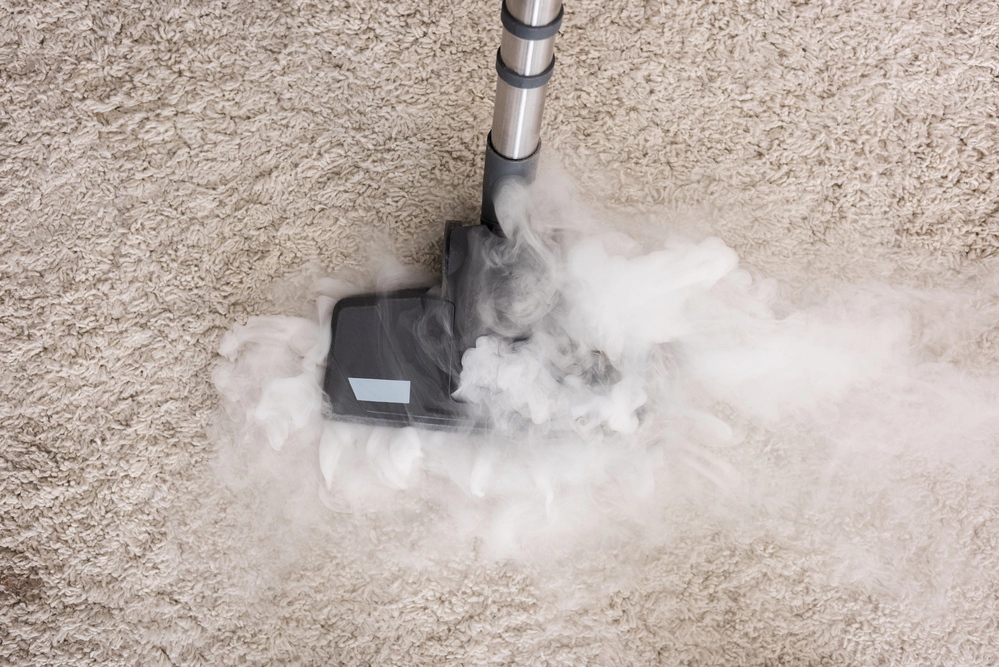
Medical professionals and cleaning experts often recommend minimizing allergen exposure as part of an asthma management plan. According to discussions on the Mayo Clinic Connect forum about steam cleaning carpets, many users with asthma report noticeable improvements in their symptoms after switching to steam-based methods. While individual results may vary, the consensus is that removing dust mites, dander, and mold without chemicals is a positive step for respiratory health.
It’s important to note that while steam can reduce many triggers, it should be part of a broader strategy that includes regular dusting, air filtration, and minimizing clutter where dust can collect. Consulting with a healthcare provider can help tailor a cleaning plan to your specific needs.
Additional Tips for Maintaining an Asthma-Friendly Home
Beyond steam cleaning, consider these additional steps for a healthier indoor environment:
- Use HEPA-filtered vacuums and air purifiers to capture airborne particles.
- Wash bedding and curtains in hot water weekly.
- Keep humidity levels between 30-50% to discourage mold and dust mites.
- Limit the use of scented products and aerosols.
- Address leaks and dampness promptly to prevent mold growth.
For more specialized advice, the pet hair removal from carpet indoor hygiene tips article provides targeted recommendations for homes with animals.
Frequently Asked Questions
Is steam cleaning safe for people with asthma?
Yes, steam cleaning is generally considered safe for those with asthma because it uses only water to sanitize surfaces, avoiding the chemical residues that can trigger symptoms. However, it’s important to ensure proper ventilation and allow surfaces to dry completely to prevent mold growth.
How often should I use steam cleaning if I have asthma?
For optimal results, aim to steam clean carpets, rugs, and upholstery every 1–3 months, or more frequently if you have pets or live in a high-dust environment. Regular maintenance helps keep allergen levels low.
Can steam cleaning replace vacuuming?
Steam cleaning is a powerful supplement to vacuuming but should not replace it entirely. Use a vacuum with a HEPA filter for regular maintenance, and add steam cleaning for deep sanitization and allergen removal.
Does steam cleaning help with pet hair and dander?
Yes, the high heat and moisture from steam can loosen and remove pet hair and dander from carpets and upholstery, making it easier to manage allergens in homes with animals.
Are there surfaces I should avoid steam cleaning?
Steam is safe for most sealed hard floors, tiles, and many fabrics, but avoid using it on unsealed wood, delicate materials, or surfaces sensitive to moisture. Always check manufacturer recommendations before use.
For more information on maintaining a clean and asthma-friendly home, explore resources like the pet hair removal from carpet home cleaning guide for additional strategies and tips.
