
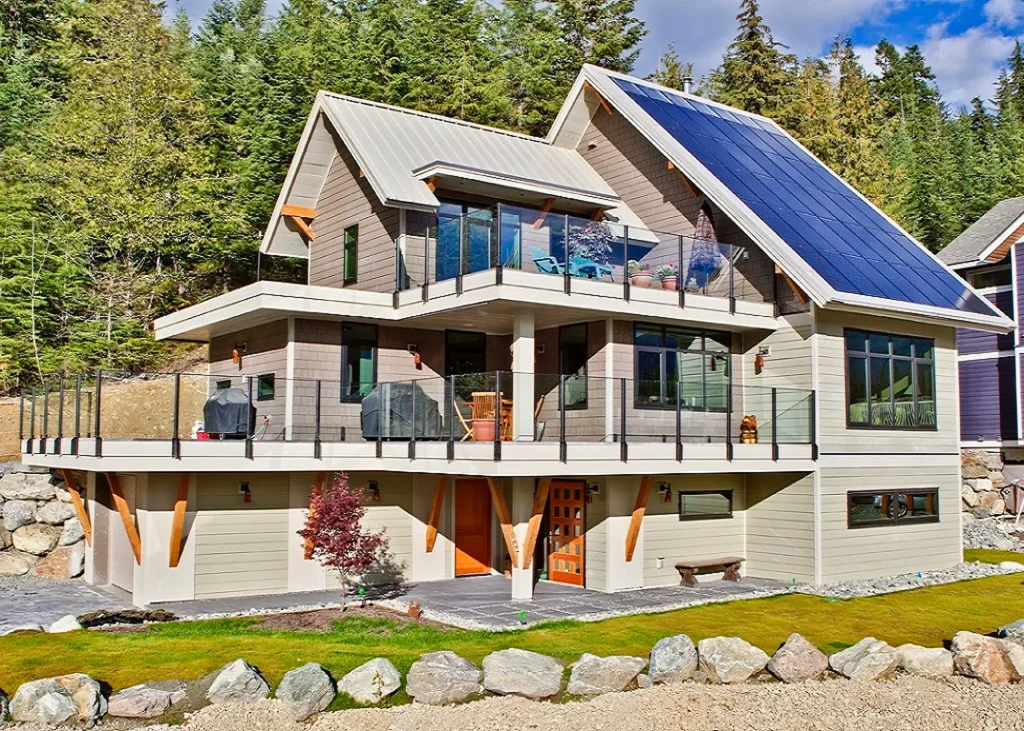
Building a net-zero home requires careful planning and the right technology to achieve true energy balance. Among the most critical components is the high efficiency HVAC net-zero homes rely on to minimize energy use while maintaining comfort year-round. As more homeowners pursue net-zero goals, understanding the latest HVAC solutions and how they integrate with renewable energy systems is essential for both new construction and major retrofits.
Modern high-performance heating, ventilation, and air conditioning systems are designed to deliver optimal comfort with minimal energy waste. When paired with airtight building envelopes, advanced insulation, and renewable power sources, these systems help homes reach or exceed net-zero status. For a deeper dive into how net-zero homes manage energy flows, see the net metering net-zero homes guide for insights on selling excess energy back to the grid.
Why HVAC Efficiency Matters in Net-Zero Home Design
For a residence to achieve net-zero energy, it must produce as much renewable energy as it consumes on an annual basis. The HVAC system is typically the largest energy consumer in most homes, making its efficiency a top priority. High-performance systems reduce the overall energy demand, which in turn lowers the size and cost of solar panels or other renewable sources needed to offset usage.
Key benefits of prioritizing efficient heating and cooling include:
- Lower operational costs and utility bills
- Reduced carbon footprint and environmental impact
- Consistent indoor comfort and air quality
- Smaller renewable energy and storage system requirements
Integrating HVAC with other home energy systems, such as renewable energy integration for net-zero homes, further enhances overall performance and resilience.
Core Features of High-Efficiency HVAC for Net-Zero Homes
The most effective heating and cooling solutions for net-zero residences share several advanced features. These include:
- Variable-speed compressors and fans that adjust output based on demand, reducing energy spikes and maintaining steady temperatures.
- Heat pump technology for both heating and cooling, offering efficiency rates far beyond traditional furnaces or air conditioners.
- Smart thermostats and zoning to fine-tune comfort and avoid conditioning unused spaces.
- Energy recovery ventilators (ERVs) or heat recovery ventilators (HRVs) that provide fresh air while capturing heat from outgoing air, minimizing losses.
- Seamless integration with solar, battery storage, and home automation systems.
These features are essential for minimizing energy use without sacrificing comfort, especially in climates with extreme temperatures or humidity.

Top Modern HVAC Systems for Net-Zero Residences
Several types of high-efficiency HVAC systems are well-suited for net-zero construction and retrofits. Each offers unique advantages depending on climate, budget, and home design.
Air-Source Heat Pumps
Air-source heat pumps are among the most popular choices for energy-efficient homes. They transfer heat between indoor and outdoor air, providing both heating and cooling with impressive efficiency. Modern models can operate effectively even in cold climates, making them a versatile solution for many regions.
Ground-Source (Geothermal) Heat Pumps
Geothermal systems use the stable temperature of the earth to provide heating and cooling. While the upfront installation cost is higher, these systems offer exceptional efficiency and long-term savings. They are especially beneficial for larger homes or those with significant heating and cooling loads.
Ductless Mini-Split Systems
Ductless mini-splits are ideal for homes with open layouts or where retrofitting ductwork is impractical. These systems offer zoned comfort, allowing different areas of the home to be conditioned independently. Their compact design and high efficiency make them a favorite for net-zero projects.
ERVs and HRVs for Superior Ventilation
Energy recovery and heat recovery ventilators are critical for maintaining indoor air quality in airtight homes. They exchange stale indoor air with fresh outdoor air while transferring heat (and sometimes moisture) to minimize energy loss. This is especially important in net-zero homes, where airtight construction is standard.
Integrating HVAC with Renewable Energy and Storage
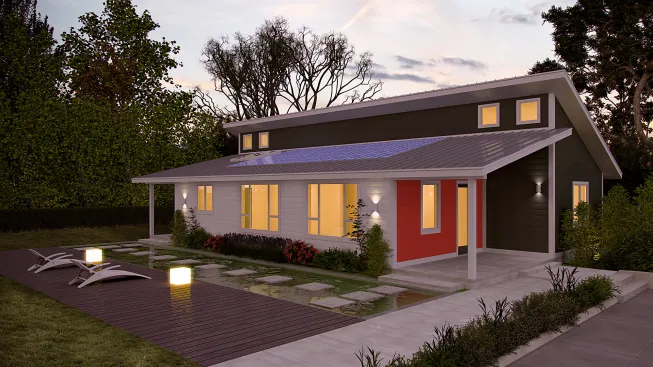
To maximize the benefits of a high-performance HVAC system, it should be integrated with renewable generation and storage. Solar photovoltaic panels are the most common source, but wind and other renewables are also options. Pairing HVAC with energy storage systems for net-zero housing allows homes to use stored energy during peak demand or outages, increasing resilience and reducing reliance on the grid.
Smart controls and monitoring tools, such as energy monitors and thermal imaging cameras, help homeowners track usage and identify areas for improvement. These technologies support ongoing optimization, ensuring the home remains efficient as seasons and living patterns change.
Best Practices for Selecting and Installing Efficient HVAC
Choosing the right system for a net-zero project involves more than just picking the most efficient model. Consider the following best practices:
- Work with HVAC professionals experienced in net-zero and passive house standards.
- Size the system accurately based on the home’s insulation, airtightness, and climate zone.
- Prioritize systems with high SEER (Seasonal Energy Efficiency Ratio) and HSPF (Heating Seasonal Performance Factor) ratings.
- Ensure compatibility with renewable energy and smart home platforms.
- Plan for regular maintenance to preserve efficiency and performance.
For those interested in the design process, this step-by-step guide to designing a net-zero home offers practical advice on integrating HVAC with other building systems.
Beyond HVAC: Achieving True Net-Zero Performance
While advanced HVAC systems are essential, reaching net-zero status also depends on the synergy between all building systems. This includes insulation, airtightness, renewable generation, and storage. For homes seeking complete independence, off-grid net-zero home systems provide a blueprint for achieving total energy self-sufficiency.
Grid-tied solutions, on the other hand, allow homeowners to balance power with utility providers and take advantage of net metering programs. Learn more about how these systems work in the grid-tied net-zero homes explained resource.
FAQ: High-Efficiency HVAC and Net-Zero Living
What is the most efficient HVAC system for a net-zero home?
Air-source and ground-source heat pumps are generally considered the most efficient options for net-zero residences. They provide both heating and cooling with minimal energy use and can be paired with smart controls and ventilation systems for optimal performance.
How do I know if my HVAC is compatible with solar panels?
Most modern high-efficiency HVAC systems can be integrated with solar PV and battery storage. Look for systems with variable-speed compressors, smart thermostats, and compatibility with home automation platforms. Consult with your installer to ensure seamless integration.
Can I retrofit an existing home with a high-efficiency HVAC system?
Yes, many older homes can be upgraded with ductless mini-splits, air-source heat pumps, or advanced ventilation systems. Improving insulation and airtightness will further enhance efficiency and help you move closer to net-zero goals.
