

Grid tied net-zero homes explained is a topic gaining traction as more homeowners seek sustainable living without sacrificing modern comforts. These residences are designed to produce as much energy as they consume annually, but unlike off-grid systems, they remain connected to the local utility grid. This connection offers flexibility, reliability, and the ability to both draw from and contribute to the broader energy network.
Understanding how these homes operate, their benefits, and the practical considerations involved is essential for anyone interested in reducing their carbon footprint while maintaining access to reliable electricity. In this guide, we’ll break down the core concepts, system components, and real-world implications of grid-connected net-zero living.
For those interested in how surplus energy is managed and the financial incentives available, the net metering net-zero homes guide offers a comprehensive look at selling excess power back to the grid.
How Grid-Connected Net-Zero Homes Work
At the heart of these homes is a simple principle: balance. Over the course of a year, the total energy produced—often from solar panels or wind turbines—matches the energy consumed. The grid acts as a virtual battery, absorbing surplus generation during sunny or windy periods and supplying power when on-site production falls short.
This approach eliminates the need for extensive on-site battery storage, which can be costly and require maintenance. Instead, the utility grid provides backup and stability, ensuring that homeowners always have access to electricity, even during periods of low renewable generation.
Key Components of a Grid-Tied Net-Zero System
Several essential elements work together to achieve net-zero performance while maintaining a grid connection:
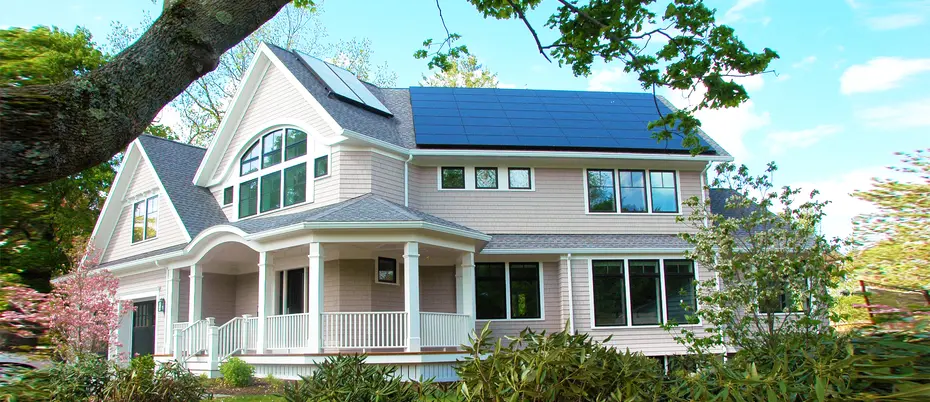
- Renewable Energy Sources: Most commonly, photovoltaic solar panels are used, but wind turbines or a combination of both are also viable. For more details on options, see our guide on renewable energy net-zero homes.
- Inverters: These devices convert the direct current (DC) generated by solar panels or wind turbines into alternating current (AC) compatible with home appliances and the utility grid.
- Net Meter: A specialized meter tracks both the energy imported from and exported to the grid, enabling accurate accounting for net metering programs.
- Energy-Efficient Design: High-performance insulation, windows, and appliances minimize overall consumption, making it easier to achieve net-zero status.

Benefits of Grid-Connected Net-Zero Living
Choosing a grid-tied approach to net-zero offers several advantages over fully off-grid systems:
- Cost Savings: By leveraging the grid as a backup, homeowners can avoid the high upfront costs of large battery banks.
- Reliability: The utility grid ensures continuous power, even during periods of low renewable generation or equipment maintenance.
- Financial Incentives: Many regions offer net metering, allowing homeowners to receive credits or payments for excess electricity supplied to the grid. For a deeper dive into how this works, explore the net metering net-zero homes guide.
- Environmental Impact: By producing as much energy as they consume, these homes help reduce greenhouse gas emissions and reliance on fossil fuels.
Comparing Grid-Tied and Off-Grid Net-Zero Homes
While both approaches aim for zero net energy consumption, their operational realities differ significantly. Grid-connected homes offer convenience and flexibility, but they depend on the utility infrastructure. Off-grid homes, by contrast, require robust on-site storage and backup systems to ensure uninterrupted power. For those interested in achieving total independence, our article on off grid net-zero home systems provides a detailed comparison.
Ultimately, the choice depends on location, budget, and personal priorities. Urban and suburban homeowners often find grid-tied systems more practical, while remote properties may benefit from off-grid solutions.
Design Strategies for Achieving Net-Zero with Grid Support
Reaching net-zero status requires more than just installing solar panels. Effective strategies include:
- Passive Solar Design: Orienting the home to maximize natural light and heat reduces the need for artificial lighting and heating.
- High-Performance Envelope: Advanced insulation, air sealing, and triple-pane windows minimize energy loss.
- Efficient Appliances: Choosing ENERGY STAR-rated appliances and LED lighting lowers daily consumption.
- Smart Energy Monitoring: Tools like the Emporia Vue 3 help track usage in real time, identifying opportunities for further savings.
For a practical overview of solar integration, see our resource on solar energy net-zero home systems.
Challenges and Considerations for Homeowners
While the benefits are compelling, there are important factors to weigh when planning a grid-tied net-zero project:
- Local Regulations: Building codes, zoning laws, and utility policies can impact system design and eligibility for net metering.
- Upfront Investment: Although long-term savings are significant, initial costs for renewable energy systems and energy-efficient upgrades can be substantial.
- Grid Reliability: In areas with frequent outages, a grid-tied system without battery backup may leave homeowners without power during blackouts.
- System Sizing: Properly sizing renewable energy systems is critical to ensure annual energy balance. Professional energy audits and tools like thermal imaging cameras can help identify inefficiencies.
For a broader perspective on the future of sustainable construction, exploring and understanding the net-zero home provides valuable insights into industry trends and innovations.
Integrating Wind and Other Renewables
While solar is the most common choice for grid-tied net-zero homes, wind energy can also play a role, especially in regions with consistent wind resources. Combining multiple renewable sources can help smooth out seasonal and daily fluctuations in generation. For those considering wind power, our article on wind energy net-zero residential use offers practical guidance.
FAQ: Common Questions About Grid-Tied Net-Zero Homes
Can I go net-zero if my local utility doesn’t offer net metering?
Net metering makes it easier to balance annual energy use, but it’s not strictly required. Without it, you may not receive credit for excess generation, so system sizing and consumption management become even more important. Some utilities offer alternative programs, so check local policies before investing.
What happens during a power outage?
Most grid-tied net-zero systems automatically shut down during outages to protect utility workers. Unless you have a battery backup or special inverter, your home will lose power when the grid goes down, even if the sun is shining. Adding a battery system can provide backup during blackouts.
How do I know if my home is a good candidate for a grid-tied net-zero system?
Factors include your site’s solar or wind potential, roof orientation, shading, local regulations, and your current energy usage. An energy audit and consultation with a qualified installer can help determine feasibility and optimal system size.
Are grid-tied net-zero homes more expensive to build?
Initial construction costs are typically higher due to energy-efficient materials and renewable energy systems. However, lower utility bills and potential incentives can offset these costs over time, making them a smart long-term investment.
Conclusion
Grid-connected net-zero homes represent a practical and effective pathway toward sustainable living. By leveraging renewable energy, efficiency strategies, and the stability of the utility grid, homeowners can dramatically reduce their environmental impact while enjoying the reliability and convenience of modern electricity. As technology advances and policies evolve, these homes are becoming increasingly accessible for families across a wide range of locations.
