
As homeowners seek sustainable solutions to reduce their carbon footprint, wind energy net-zero residential use has become an increasingly popular topic. Harnessing wind power at home offers the potential to generate clean electricity, lower utility bills, and move closer to a net-zero lifestyle. However, the decision to install a residential wind turbine involves more than just environmental enthusiasm—it requires careful consideration of site conditions, costs, regulations, and integration with other energy-efficient building strategies.
This article explores the essentials of adopting wind power for homes aiming for net-zero energy use. You’ll learn about the benefits, limitations, and practical steps involved, as well as how wind fits into the broader context of sustainable home design. For those interested in building envelopes and energy efficiency, resources like air sealing materials net-zero construction offer additional insight into maximizing your home’s performance.
Understanding Net-Zero Homes and Wind Power
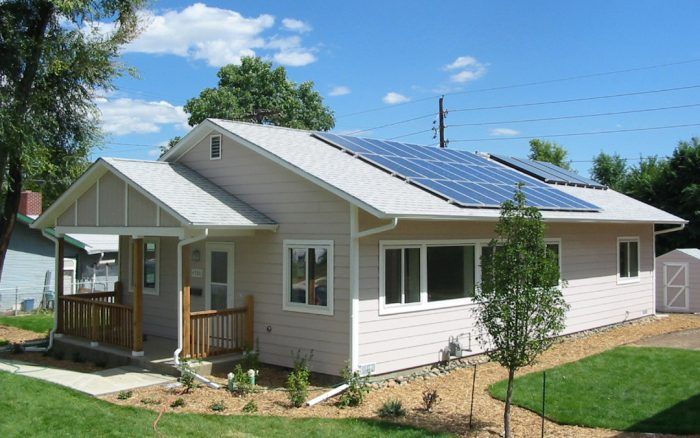
A net-zero home is designed to produce as much energy as it consumes over the course of a year, typically through a combination of energy efficiency and on-site renewable generation. While solar panels are the most common choice, wind energy for net-zero homes offers a compelling alternative or complement, especially in locations with strong, consistent winds.
Wind turbines convert kinetic energy from the wind into electricity. When sized and sited correctly, a residential wind system can offset a significant portion of a home’s energy needs. However, not every property is suitable for wind generation, and understanding the fundamentals is key to making an informed decision.
Is Your Property Suitable for Residential Wind Turbines?
The effectiveness of wind power depends heavily on local wind resources and site characteristics. Here are the main factors to consider:
- Wind Speed: Most small turbines require average wind speeds of at least 10–12 mph (16–19 km/h) to be viable. You can assess wind potential using local weather data, wind maps, or by installing an anemometer on your property.
- Space and Zoning: Turbines need to be installed away from obstructions like trees and buildings, usually on a tower 30 feet above anything within 300 feet. Local zoning laws, HOA restrictions, and permitting requirements may affect your options.
- Lot Size: Larger lots are generally better suited for wind systems, as setbacks and noise considerations can limit placement on small urban parcels.
Before proceeding, it’s wise to consult with a local installer or renewable energy expert to evaluate your site’s suitability.
Benefits of Wind Energy for Sustainable Homes
Choosing wind power as part of your net-zero strategy can offer several advantages:
- Renewable and Clean: Wind turbines generate electricity without emissions, reducing your reliance on fossil fuels.
- Energy Independence: Producing your own power can shield you from rising utility costs and grid outages.
- Potential Savings: Over time, the reduction in electricity bills can offset the initial investment, especially in windy regions.
- Complementary to Solar: Wind and solar often produce power at different times, helping to balance energy production throughout the year.
Integrating wind with other high-performance building features, such as high performance windows for net-zero homes, can further enhance your home’s efficiency and comfort.
Challenges and Considerations for Homeowners
While the promise of wind energy net-zero residential use is appealing, there are important challenges to weigh:
- Upfront Costs: Residential wind systems typically range from $10,000 to $70,000, depending on size and installation complexity.
- Maintenance: Turbines have moving parts that require periodic inspection and maintenance, unlike stationary solar panels.
- Noise and Aesthetics: Some homeowners and neighbors may have concerns about turbine noise or visual impact.
- Variable Output: Wind is intermittent, so energy production can fluctuate. Most systems remain connected to the grid or use batteries for backup.
It’s also essential to understand local incentives, rebates, and net metering policies, which can significantly affect the financial return on your investment.
Integrating Wind with Other Net-Zero Strategies
For most homes, wind is just one piece of the net-zero puzzle. Combining wind generation with other energy-saving measures can maximize your results:
- Efficient Building Envelope: Investing in green insulation materials and advanced air sealing reduces the amount of energy your home requires.
- Smart Monitoring: Devices like the Emporia Vue 3 help track real-time energy use, identifying opportunities for further savings.
- Thermal Imaging: Tools such as a thermal imaging camera can reveal hidden leaks or insulation gaps, making it easier to optimize your home’s performance.
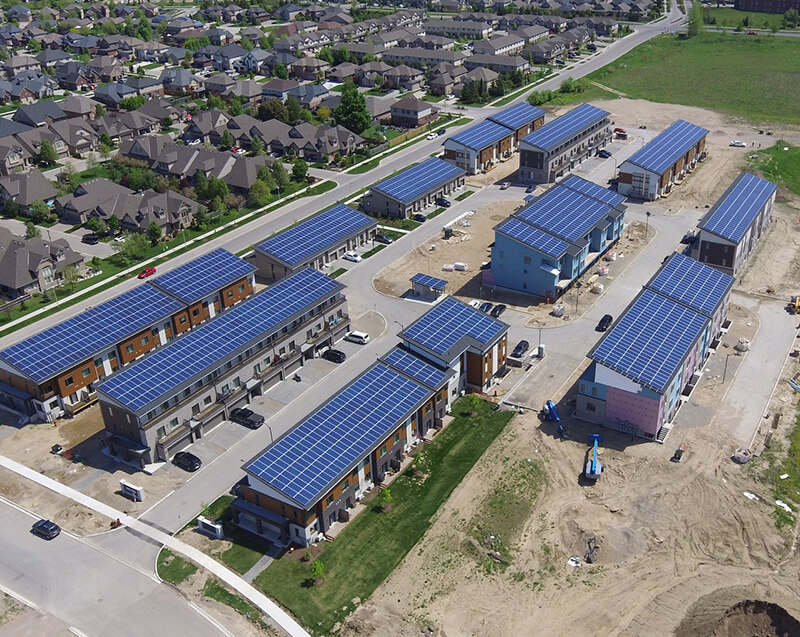
- Renewable Mix: Pairing wind with solar, geothermal, or other renewables increases resilience and flexibility.
For a deeper dive into structural efficiency, guides like wood framing for net-zero homes offer valuable perspectives on building for long-term sustainability.
Cost, Payback, and Incentives
The financial side of wind energy net-zero residential use is shaped by several factors:
- System Size: The larger the turbine, the more energy it can produce, but also the higher the upfront cost.
- Installation Complexity: Tower height, foundation work, and electrical integration affect total expenses.
- Incentives: Federal, state, and local programs may provide tax credits, rebates, or grants for renewable energy installations.
- Net Metering: Many utilities allow you to sell excess power back to the grid, improving your return on investment.
Payback periods can range from 6 to 30 years, depending on wind resources, energy prices, and available incentives. For more on the concept of net-zero buildings, see this comprehensive overview of net-zero building principles.
Steps to Get Started with Residential Wind Power
- Assess Wind Potential: Gather wind data for your location and consult with a professional to determine feasibility.
- Check Regulations: Review local zoning, permitting, and utility interconnection requirements.
- Evaluate Energy Needs: Analyze your home’s energy use and identify opportunities to reduce demand before sizing a turbine.
- Get Quotes: Contact reputable installers for site assessments and cost estimates.
- Plan Integration: Consider how wind will work alongside other efficiency upgrades and renewable systems.
Remember, a holistic approach—combining wind with insulation, efficient windows, and smart monitoring—delivers the best results for net-zero living.
Frequently Asked Questions
How much energy can a residential wind turbine produce?
The output varies based on turbine size and local wind speeds. A typical 5 kW turbine in a good location might generate 8,000–12,000 kWh per year, enough to cover most or all of an energy-efficient home’s needs.
Are wind turbines noisy or disruptive for neighbors?
Modern residential turbines are designed to minimize noise, but some sound is inevitable, especially in high winds. Proper siting and tower height can reduce the impact. Always check local ordinances and discuss plans with neighbors before installing a system.
Can wind power be combined with solar panels in a net-zero home?
Yes, combining wind and solar is common in net-zero designs. The two technologies often complement each other, with wind producing more energy at night or during stormy periods when solar output is low.
Conclusion
Adopting wind energy net-zero residential use is a significant step toward sustainability, but it’s not a one-size-fits-all solution. Assess your property’s wind resources, consider costs and regulations, and integrate wind with other efficiency measures for the best outcome. By taking a comprehensive approach, you can move closer to a truly net-zero home—reducing your environmental impact and enjoying greater energy independence.
