
As homeowners and builders look for ways to reduce energy consumption and create healthier indoor environments, the demand for green insulation materials has never been higher. These innovative products not only help lower utility bills but also minimize exposure to toxic chemicals, making them a smart choice for anyone interested in sustainable construction. In this guide, we’ll break down the most popular eco-friendly insulation options, discuss their benefits, and help you understand how to choose the right solution for your next project.
Understanding the basics of non-toxic insulation is essential for anyone aiming to build or renovate with sustainability in mind. Whether you’re upgrading an older home or planning a new build, the right insulation can make a significant difference in comfort, energy efficiency, and indoor air quality. For those pursuing net-zero or low-impact housing, insulation is a foundational element alongside other sustainable choices like high performance windows for net-zero homes and eco friendly materials for net-zero homes.

What Makes Insulation “Green”?
Not all insulation is created equal. Traditional materials like fiberglass and spray foam can contain formaldehyde, VOCs, and other chemicals that may off-gas into your living space. In contrast, eco-friendly insulation is designed to be safer for both people and the planet. Here’s what sets these products apart:
- Low or zero toxicity: Made without harmful chemicals, reducing indoor air pollution.
- Renewable or recycled content: Sourced from rapidly renewable plants or recycled waste, minimizing environmental impact.
- Energy efficiency: High R-values help maintain comfortable temperatures and reduce heating/cooling needs.
- Minimal embodied energy: Require less energy to produce and transport than conventional options.
- Biodegradability or recyclability: Easier to dispose of at end of life, reducing landfill waste.
Choosing the right insulation is a key step in any net-zero building materials guide, as it directly affects both energy use and indoor environmental quality.
Popular Types of Non-Toxic Insulation
There are several types of green insulation materials available today, each with unique features and benefits. Let’s explore some of the most widely used options:
Cellulose Insulation
Made primarily from recycled newspaper and treated with non-toxic fire retardants, cellulose is one of the oldest and most trusted eco-friendly insulation products. It offers excellent thermal performance and is particularly effective in attics and wall cavities.
- Pros: High recycled content, good soundproofing, affordable.
- Cons: Can settle over time, may absorb moisture if not properly installed.
Cotton (Denim) Insulation
Produced from recycled cotton fibers, often sourced from denim manufacturing scraps, this material is soft, safe to handle, and free from irritants. It’s a great choice for those sensitive to allergens or chemicals.
- Pros: Non-irritating, renewable, excellent sound absorption.
- Cons: Higher cost, may require additional fire retardant treatment.
Sheep’s Wool Insulation
Natural wool fibers offer impressive thermal and moisture-regulating properties. Wool insulation can absorb and release moisture without losing its insulating ability, making it ideal for variable climates.
- Pros: Naturally fire-resistant, manages humidity, renewable.
- Cons: More expensive, may attract pests if not treated.
Cork Insulation
Harvested from the bark of cork oak trees, cork insulation is renewable, lightweight, and naturally resistant to mold, insects, and fire. It’s available in boards or loose-fill forms.
- Pros: Durable, sound-absorbing, sustainable harvest.
- Cons: Limited availability, higher upfront cost.
Mineral Wool (Rock Wool and Slag Wool)
While not plant-based, mineral wool is made from abundant natural rock or recycled industrial slag. It’s non-combustible and offers excellent thermal and acoustic insulation.
- Pros: Fire-resistant, moisture-resistant, high R-value.
- Cons: Energy-intensive production, can be dusty during installation.
How Green Insulation Supports Energy Savings
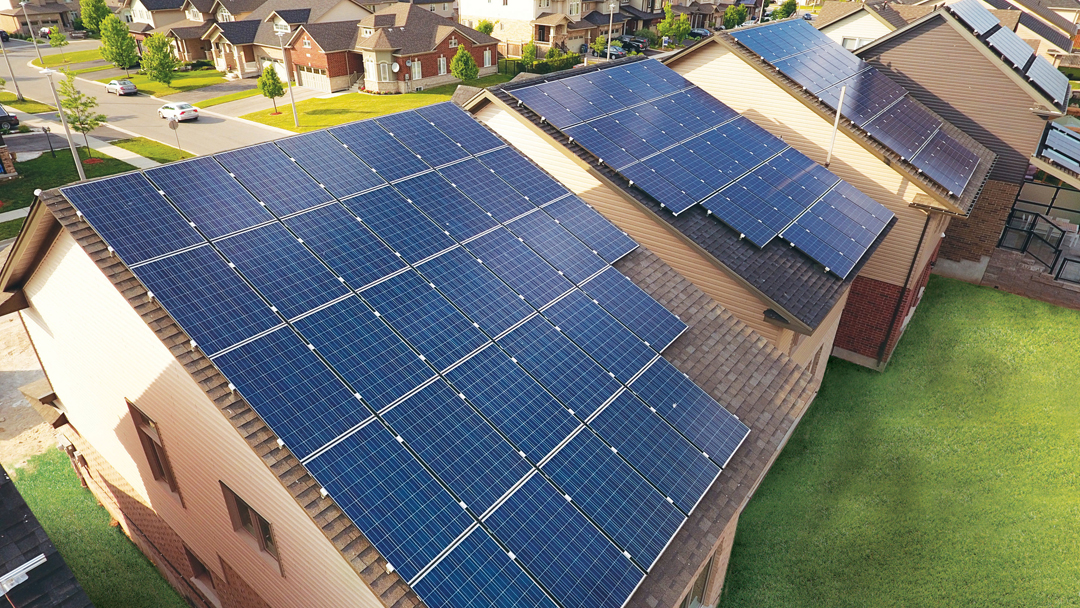
One of the main reasons to choose eco-friendly insulation is its ability to significantly reduce energy use. High-performance materials help maintain stable indoor temperatures, which means less reliance on heating and cooling systems. This not only cuts monthly utility bills but also lowers your home’s carbon footprint.
For those interested in net-zero construction, combining sustainable insulation with other strategies—such as insulated concrete forms for net-zero homes and sustainable construction materials—can help achieve ambitious energy goals. Proper installation is crucial: even the best materials won’t perform well if gaps, compression, or moisture issues are present.
To maximize energy savings, consider using a smart energy monitor to track your home’s consumption and identify areas for improvement.
Health and Indoor Air Quality Benefits
Traditional insulation can sometimes release airborne particles or chemicals that affect indoor air quality. In contrast, non-toxic insulation options are designed to be safe for sensitive individuals, including children and those with allergies or asthma. Materials like wool, cotton, and cellulose are free from formaldehyde and other VOCs, making them ideal for healthy homes.
Reducing exposure to toxins is especially important in tightly sealed, energy-efficient buildings, where air exchange is limited. Choosing products with third-party certifications—such as Greenguard or Global Organic Textile Standard (GOTS)—can provide additional peace of mind.
Choosing the Right Eco-Friendly Insulation for Your Project
Selecting the best material depends on your budget, climate, and specific project needs. Here are some factors to consider:
- Thermal performance (R-value): Higher R-values provide better insulation. Match the R-value to your local climate zone and building codes.
- Moisture resistance: In humid or wet climates, choose materials that resist mold and mildew, such as mineral wool or wool.
- Installation method: Some products are easier for DIYers (like batts or rolls), while others may require professional installation (blown-in cellulose).
- Availability and cost: Some options may be harder to find or more expensive, but the long-term savings and health benefits often justify the investment.
- Sustainability certifications: Look for third-party labels to ensure the product meets environmental and health standards.
For a deeper dive into sustainable building, check out this comprehensive overview of net-zero homes and their construction strategies.
FAQ: Green Insulation Materials
Are eco-friendly insulation materials as effective as traditional options?
Yes, many green insulation products offer thermal performance equal to or better than conventional materials. For example, cellulose and mineral wool have high R-values and excellent soundproofing properties. The key is to ensure proper installation to maximize their effectiveness.
How do I know if an insulation product is truly non-toxic?
Look for certifications such as Greenguard, GOTS, or Cradle to Cradle, which verify low emissions and safe ingredients. Reading product data sheets and asking manufacturers about chemical content can also help you make informed choices.
Can I install eco-friendly insulation myself?
Some materials, like cotton batts or wool rolls, are suitable for DIY installation. Others, such as blown-in cellulose, may require specialized equipment and professional expertise. Always follow manufacturer guidelines and wear appropriate protective gear.
Conclusion
Switching to green insulation materials is a practical way to enhance your home’s energy efficiency while protecting your family’s health and reducing your environmental impact. With a range of non-toxic, high-performance options available, it’s easier than ever to make sustainable choices that benefit both people and the planet. By combining eco-friendly insulation with other smart building practices, you can create a comfortable, efficient, and future-ready home.
