

The push for sustainable construction materials net-zero building projects is reshaping the way homes and commercial spaces are designed and built. As energy efficiency and environmental responsibility become top priorities, selecting the right materials is essential for reducing carbon emissions, conserving resources, and achieving true net-zero performance. This article explores the essential materials, strategies, and considerations for anyone interested in building or retrofitting for a greener future.
Understanding the role of materials in net-zero construction is crucial. The choice of products affects not only the operational energy use of a building but also its embodied carbon—the emissions generated during manufacturing, transport, and installation. For a deeper dive into reducing embodied carbon, see low carbon building materials explained.
What Makes a Material Sustainable for Net-Zero Construction?
Not all green materials are created equal. For a building to reach net-zero status, materials should meet several key criteria:
- Low Embodied Carbon: Products with minimal greenhouse gas emissions during production and transport.
- Resource Efficiency: Made from renewable, recycled, or rapidly replenished sources.
- High Durability: Long-lasting materials reduce the need for frequent replacement and waste.
- Non-Toxicity: Free from harmful chemicals that affect indoor air quality.
- Energy Performance: Contribute to insulation, airtightness, and overall energy efficiency.
These characteristics ensure that the building envelope and interior finishes support both environmental and occupant health goals.
Top Sustainable Materials for Net-Zero Projects
Selecting the best materials for a net-zero project involves balancing performance, cost, and environmental impact. Here are some of the leading options:
1. Engineered Wood and Mass Timber
Engineered wood products, such as cross-laminated timber (CLT) and laminated veneer lumber (LVL), are gaining popularity in net-zero construction. These materials are made from sustainably harvested wood, sequester carbon, and offer excellent structural performance. Mass timber can replace steel and concrete in many applications, significantly reducing a building’s carbon footprint.
2. Insulation from Renewable Sources
Effective insulation is critical for minimizing energy loss. Materials like cellulose (recycled paper), sheep’s wool, and hemp insulation are renewable, biodegradable, and provide excellent thermal performance. These options help maintain comfortable indoor temperatures with less reliance on mechanical heating and cooling.
3. Low-Carbon Concrete Alternatives
Traditional concrete is responsible for a large share of global CO2 emissions. Alternatives such as fly ash, slag cement, and geopolymer concrete offer similar strength with a much lower carbon footprint. Using these substitutes in foundations and slabs supports net-zero goals.
4. Recycled Steel and Metal
Steel is durable and fully recyclable. Using recycled steel for framing, roofing, and cladding reduces the need for virgin materials and cuts emissions. Metal roofing, in particular, is long-lasting and can be coated with cool finishes to reflect heat.
5. Natural Finishes and Flooring
Bamboo, cork, linoleum, and reclaimed wood are popular for flooring and interior finishes. These materials are renewable, often locally sourced, and add warmth and character to living spaces.
Building Envelope Strategies for Net-Zero Performance
A high-performance envelope is the backbone of any net-zero building. The right combination of walls, roofs, windows, and doors ensures minimal heat loss and air leakage.
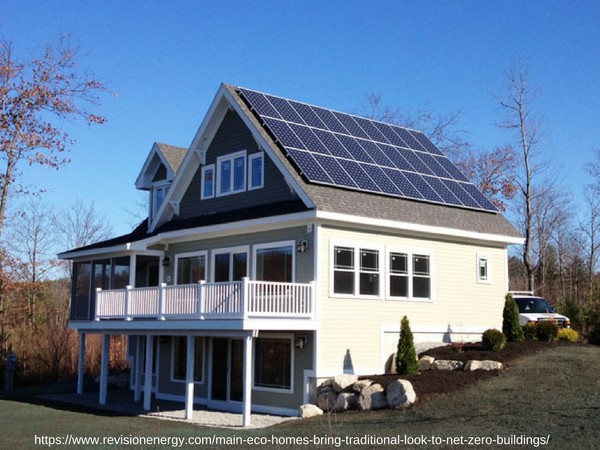
Key elements include:
- Continuous Insulation: Prevents thermal bridging and keeps conditioned air inside.
- High-Performance Windows: Triple-glazed, low-e coated windows reduce heat transfer.
- Airtight Construction: Careful sealing of joints and penetrations limits drafts and energy loss.
- Thermal Mass: Materials like concrete, brick, or stone inside the thermal envelope can store and release heat, helping to stabilize indoor temperatures. Learn more about thermal mass in net-zero homes.
Integrating Renewable Energy and Smart Technologies
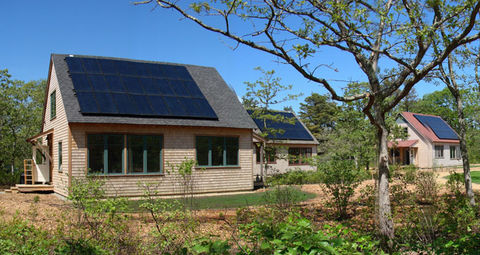
Material selection is only one part of the equation. To achieve net-zero energy, buildings must also generate as much energy as they consume. This is typically accomplished through solar panels, geothermal systems, and energy-efficient appliances.
Smart energy monitors and thermal imaging cameras can help track energy use and identify areas for improvement. These tools are invaluable for maintaining optimal performance and ensuring that the building remains on track to meet its sustainability targets.
Indoor Air Quality and Healthy Living
A focus on non-toxic, low-emission materials is essential for occupant health. Products certified by organizations like GREENGUARD or with Environmental Product Declarations (EPDs) can help ensure that indoor air remains clean and safe.
Incorporating natural ventilation net-zero homes strategies, such as operable windows and passive airflow design, further supports a healthy indoor environment while reducing reliance on mechanical systems.
Design Considerations for Net-Zero Success
Beyond the choice of materials, design strategies play a significant role in achieving net-zero outcomes. Key approaches include:
- Passive Solar Design: Orienting buildings to maximize natural light and heat from the sun reduces energy demand. For more on this, see daylighting strategies net-zero construction.
- Compact Building Form: Reducing surface area minimizes heat loss and gain.
- Efficient Water Use: Low-flow fixtures and rainwater harvesting support sustainability.
- Material Sourcing: Choosing local materials reduces transportation emissions and supports regional economies.
Careful planning at the design stage ensures that all elements—from the foundation to the finishes—work together to support net-zero performance.
Certifications and Standards for Green Building
There are several frameworks and certifications to guide and validate sustainable building efforts:
- LEED (Leadership in Energy and Environmental Design): Recognizes projects for energy efficiency, material selection, and indoor environmental quality.
- Passive House: Focuses on ultra-low energy use through airtightness, insulation, and high-performance windows.
- Living Building Challenge: The most rigorous, requiring net-zero energy, water, and waste, as well as responsible material sourcing.
Pursuing these certifications can help ensure that a project meets the highest standards for sustainability and performance.
Challenges and Opportunities in Net-Zero Construction
While the benefits of using sustainable construction materials net-zero are clear, there are challenges to consider:
- Upfront Costs: Some green materials and systems may have higher initial costs, though they often pay off through energy savings and durability.
- Supply Chain Limitations: Availability of certain products can vary by region.
- Knowledge Gaps: Builders and designers may need additional training to implement new materials and techniques effectively.
Despite these hurdles, the market for sustainable building products is growing rapidly. Advances in technology and increasing demand are making it easier and more affordable to build net-zero structures.
For a comprehensive overview of product selection, visit the net-zero building materials guide.
Further Resources
To understand the broader context and benefits of net-zero buildings, see this introduction to net-zero building principles.
Frequently Asked Questions
What is the difference between net-zero and green building?
Green building focuses on reducing environmental impact through efficient use of resources and healthier indoor environments. Net-zero construction goes a step further by ensuring that a building produces as much energy as it consumes over a year, often through renewable energy generation.
Are sustainable materials more expensive than conventional options?
Some eco-friendly materials may have higher upfront costs, but they often result in long-term savings through lower energy bills, reduced maintenance, and increased durability. Incentives and rebates can also help offset initial expenses.
Can existing buildings be retrofitted to achieve net-zero status?
Yes, many existing structures can be upgraded with better insulation, high-performance windows, renewable energy systems, and non-toxic finishes to approach or achieve net-zero energy use.
