
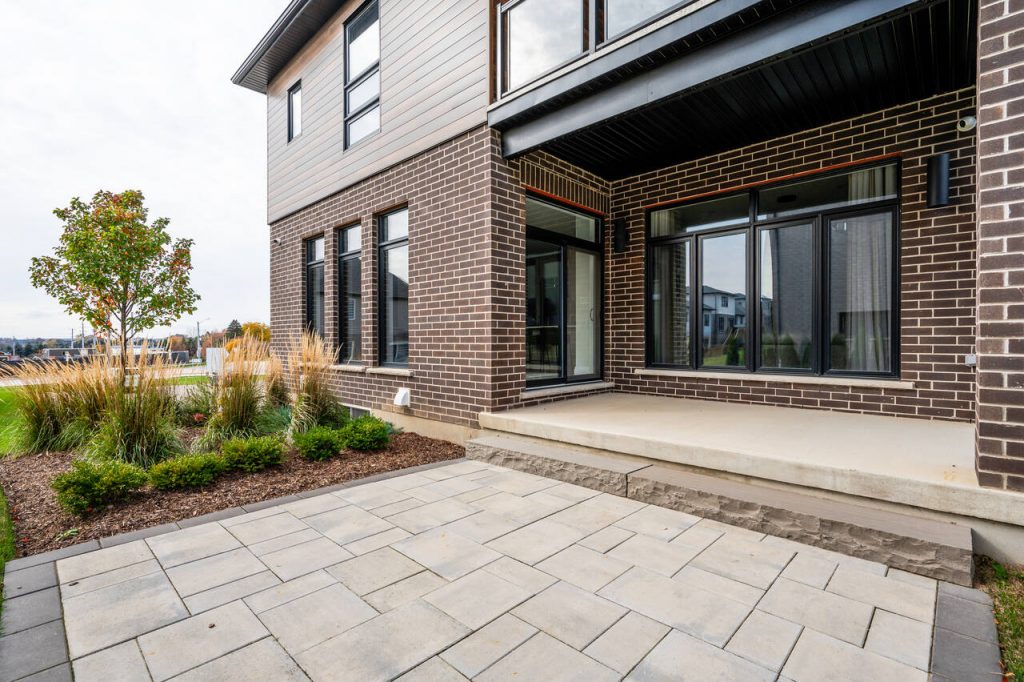
Integrating daylighting strategies into net-zero construction is a key approach for reducing energy consumption and improving indoor comfort. By maximizing the use of natural light, builders and homeowners can lower reliance on artificial lighting, decrease cooling loads, and create healthier living environments. This guide explores practical methods for harnessing daylight in sustainable building projects, highlighting design principles, technologies, and best practices for achieving energy efficiency and occupant well-being.
Understanding how to effectively utilize sunlight is essential for anyone interested in sustainable building. Whether you are planning a new home or retrofitting an existing structure, thoughtful daylighting can make a significant difference. For those looking to deepen their understanding of sustainable design, resources like thermal mass in net-zero homes offer valuable insights into complementary strategies for regulating indoor temperatures.
Why Natural Light Matters in Sustainable Building
Natural daylight is more than just a design preference; it is a foundational element in net-zero construction. By leveraging sunlight, buildings can significantly reduce their dependence on electric lighting and mechanical cooling. This not only cuts energy bills but also supports the goal of minimizing carbon emissions.
Daylighting has been shown to improve occupant mood, productivity, and overall health. Exposure to natural light helps regulate circadian rhythms, leading to better sleep and increased well-being. In addition, well-lit interiors can enhance the visual appeal of spaces, making them more inviting and functional.
Core Principles of Daylighting for Energy-Efficient Homes
Effective daylighting in net-zero projects relies on several guiding principles:
- Orientation: Positioning the building to maximize southern exposure (in the Northern Hemisphere) ensures the greatest access to sunlight throughout the year.
- Window Placement and Sizing: Strategically locating windows, skylights, and clerestories allows for even light distribution and minimizes glare or overheating.
- Shading Devices: Incorporating overhangs, louvers, or exterior blinds helps control solar gain, preventing excessive heat during summer while allowing light in winter.
- Reflective Surfaces: Using light-colored walls, ceilings, and floors enhances the spread of daylight deeper into rooms.
- Thermal Mass: Integrating materials that absorb and store heat, such as concrete or stone, can help regulate indoor temperatures as sunlight enters the space.
For a deeper dive into optimizing building orientation for sunlight, see orientation for net-zero homes explained.
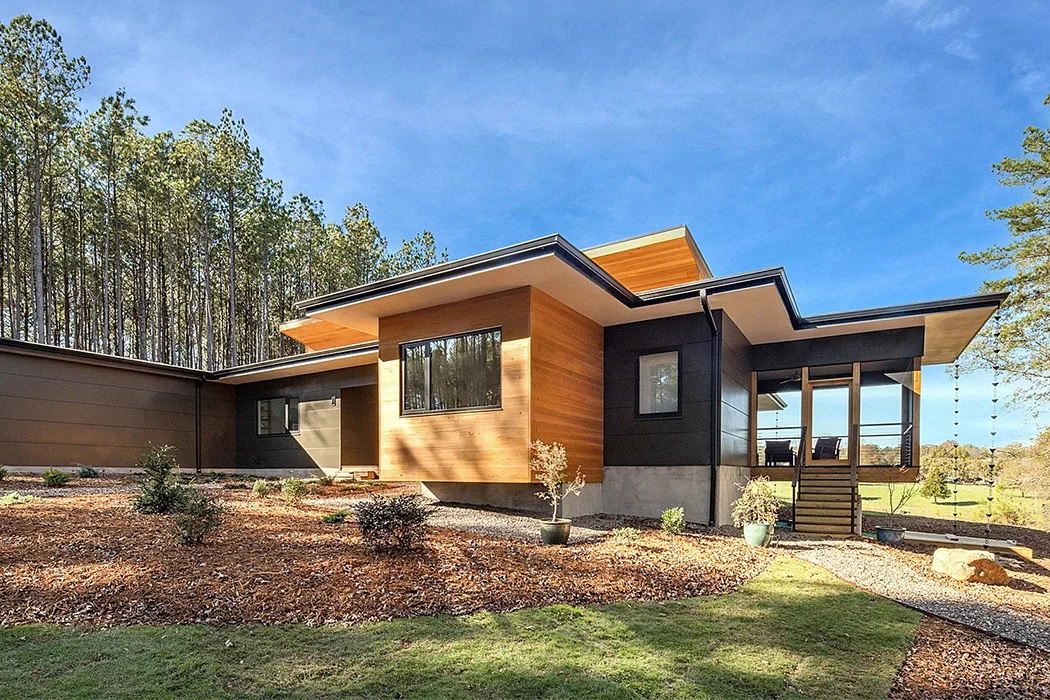
Design Techniques for Maximizing Daylight in Net-Zero Projects
Applying the right design techniques is crucial for optimizing daylight in energy-efficient buildings. Here are some proven methods:
Window Orientation and Glazing Choices
South-facing windows provide consistent daylight and passive solar gain. East and west windows can introduce morning and afternoon light but may require shading to prevent overheating. Selecting high-performance glazing with low-emissivity (low-E) coatings helps control heat transfer while allowing visible light to enter.
Use of Skylights and Light Tubes
Skylights and tubular daylighting devices (TDDs) bring sunlight into interior spaces that might otherwise be dark. Proper placement and sizing are essential to avoid glare and heat buildup. Diffusers can help distribute light evenly and soften direct rays.
Interior Layout and Open Plans
Open floor plans and interior glass partitions allow daylight to penetrate deeper into the building. Positioning frequently used spaces, like kitchens and living rooms, along the sunniest sides of the house maximizes their access to natural light. For more on optimizing layouts, see layout planning net-zero house design.

Balancing Daylight with Energy Performance
While maximizing natural light is beneficial, it’s important to balance it with thermal comfort and energy performance. Too much unfiltered sunlight can lead to overheating and increased cooling demands. Here are some ways to maintain this balance:
- Dynamic Shading: Use adjustable blinds, shades, or smart glass to control light levels throughout the day.
- Thermal Mass Integration: Pair daylighting with thermal mass to absorb excess heat and release it when temperatures drop, reducing the need for mechanical heating and cooling.
- Efficient Lighting Controls: Install daylight sensors and dimmable LED fixtures to supplement natural light only when needed.
Combining these strategies with net-zero home design strategies ensures a holistic approach to sustainability and comfort.
Technologies and Tools Supporting Daylighting in Green Construction
Modern technologies make it easier to implement effective daylighting in sustainable buildings. Some useful tools and products include:
- Building Information Modeling (BIM): Software that simulates daylight patterns and helps optimize window placement and shading devices during the design phase.
- Smart Glass: Glazing that can change its tint in response to sunlight, reducing glare and heat gain automatically.
- Energy Monitoring: Devices that track lighting and HVAC usage, helping homeowners fine-tune their daylighting strategies for maximum efficiency.
For those interested in a step-by-step approach to making their home more sustainable, this guide to achieving a net-zero home provides actionable advice and further reading.
Common Challenges and Solutions in Daylighting for Net-Zero Builds
Even with careful planning, some obstacles can arise when incorporating daylighting into energy-efficient homes:
- Glare and Overheating: Addressed by using diffused glazing, exterior shading, and interior blinds.
- Uneven Light Distribution: Solved by adding clerestory windows, light shelves, or reflective surfaces to bounce light deeper into rooms.
- Privacy Concerns: Managed by using frosted glass, window films, or strategic landscaping.
Collaboration between architects, builders, and homeowners is essential to tailor solutions that fit specific site conditions and lifestyle needs. Integrating daylighting with other passive design features, such as architectural design for net-zero homes, enhances both performance and aesthetics.
FAQ
What are the main benefits of daylighting in sustainable homes?
Daylighting reduces energy use, improves indoor air quality, supports occupant health, and enhances the visual appeal of living spaces. It also contributes to lower utility bills and helps buildings meet net-zero energy goals.
How can I prevent overheating from large windows?
Use exterior shading devices, select high-performance glazing, and integrate thermal mass materials to absorb and moderate heat. Adjustable blinds and smart glass technologies can also help control sunlight penetration.
Is it possible to retrofit existing homes with daylighting features?
Yes, many daylighting improvements can be made in existing buildings. Options include adding skylights or light tubes, replacing old windows with energy-efficient models, and using reflective interior finishes to boost natural light.
