
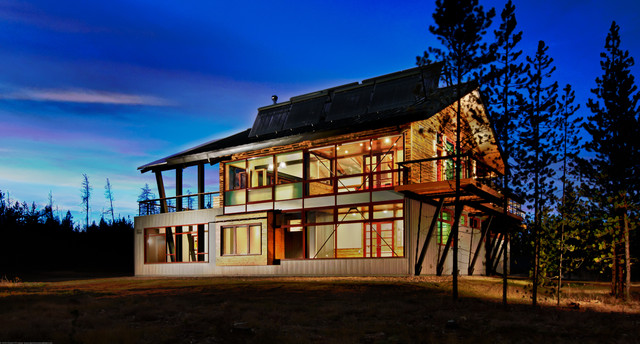
Architectural design net-zero homes is rapidly transforming the way we think about residential construction. Today’s homeowners and architects are not just looking for energy efficiency—they want homes that are beautiful, functional, and environmentally responsible. By blending innovative technology with thoughtful design, it’s possible to create living spaces that are both visually striking and capable of achieving net-zero energy consumption.
As the demand for sustainable housing grows, more professionals are turning to advanced strategies that balance form and function. This guide explores how modern architecture, smart building systems, and eco-friendly materials come together to redefine what’s possible in sustainable homebuilding. For those interested in the technical side, topics like energy modeling net-zero homes and energy efficient materials net-zero homes offer deeper dives into the science behind the design.
Core Principles of Net-Zero Home Architecture
At the heart of every net-zero residence is a commitment to minimizing energy use while maximizing comfort and style. The following principles guide the design process:
- Passive solar orientation—Homes are positioned to take advantage of natural sunlight, reducing the need for artificial lighting and heating.
- High-performance building envelope—Walls, roofs, windows, and doors are designed for superior insulation and airtightness, keeping indoor temperatures stable year-round.
- Efficient systems integration—Heating, cooling, ventilation, and hot water systems are selected for their low energy consumption and ability to work together seamlessly.
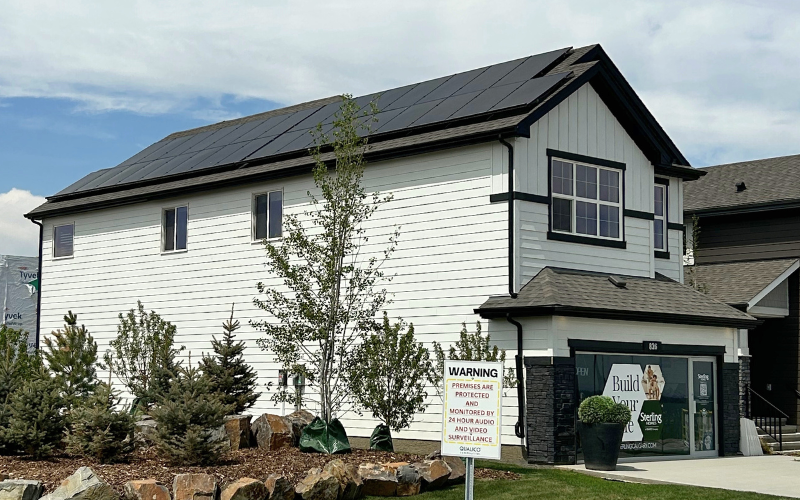
- On-site renewable energy—Solar panels, geothermal systems, or wind turbines are incorporated to generate as much energy as the home consumes annually.
These principles are not only about reducing utility bills—they’re about creating a healthier, more resilient living environment that stands the test of time.
Balancing Beauty and Sustainability in Modern Home Design
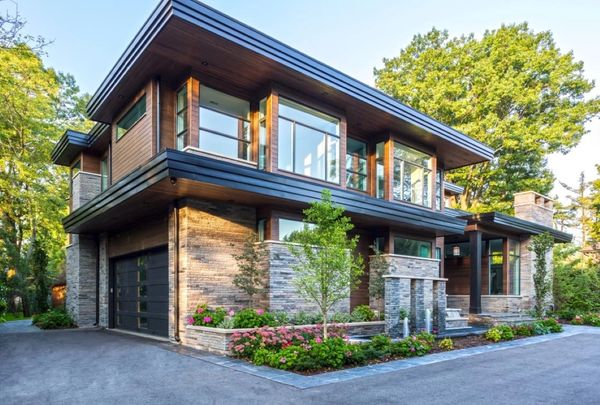
One of the most exciting developments in architectural design net-zero homes is the move beyond utilitarian aesthetics. Today’s sustainable homes can be sleek, inviting, and highly personalized. Architects are using natural materials, open floor plans, and large windows to blur the lines between indoor and outdoor spaces. The result is a harmonious blend of comfort, efficiency, and visual appeal.
For example, using locally sourced wood or stone not only reduces transportation emissions but also adds warmth and character to the home. Green roofs and living walls introduce vegetation as a design element, improving air quality and supporting biodiversity. These features prove that sustainability and style are not mutually exclusive.
Integrating Smart Technology for Net-Zero Performance
Technology is a driving force in the evolution of sustainable housing. Smart home systems enable real-time monitoring and control of energy use, making it easier than ever to maintain a net-zero balance. Homeowners can track electricity consumption, adjust thermostats remotely, and receive alerts when systems need maintenance.
Key innovations include:
- Energy monitoring devices—Tools like the Emporia Vue 3 provide detailed insights into household energy patterns, helping residents identify and eliminate waste.
- Thermal imaging cameras—These devices reveal hidden leaks or insulation gaps, allowing for targeted improvements that boost efficiency.
- Automated lighting and shading—Smart controls adjust lighting and window coverings based on occupancy and sunlight, reducing unnecessary energy use.
By leveraging these technologies, it’s possible to fine-tune every aspect of a home’s performance. For more on building envelope strategies, see airtight building net-zero construction and insulation requirements net-zero homes.
Material Selection: The Foundation of Sustainable Architecture
Choosing the right materials is crucial for both aesthetics and energy performance. High-quality insulation, triple-glazed windows, and advanced air barriers are now standard in many net-zero projects. Beyond performance, architects are increasingly focused on the environmental impact of their material choices.
Some best practices include:
- Using recycled or rapidly renewable resources
- Prioritizing non-toxic finishes and adhesives
- Minimizing construction waste through precise planning and prefabrication
For a comprehensive look at sustainable building materials, visit the energy efficient materials net-zero homes resource.
Passive Design Strategies for Energy Savings
Passive design is a cornerstone of net-zero architecture. By harnessing natural elements such as sunlight, wind, and thermal mass, homes can maintain comfortable temperatures with minimal mechanical intervention. Key strategies include:
- South-facing windows for winter heat gain
- Overhangs and shading devices to block summer sun
- Thermal mass materials (like concrete or stone floors) to store and release heat
- Cross-ventilation for natural cooling
To learn more about these techniques, see passive design net-zero home basics, which covers the fundamentals of natural heating, cooling, and daylighting.
Step-by-Step Process for Designing a Net-Zero Home
Creating a truly sustainable residence involves careful planning and collaboration between architects, engineers, and homeowners. The typical process includes:
- Site analysis and orientation to maximize passive solar benefits
- Energy modeling to predict performance and guide design decisions
- Selection of high-performance materials and systems
- Integration of renewable energy sources
- Commissioning and testing to ensure all systems work as intended
For a detailed walkthrough, consult this step-by-step guide to designing a net-zero home that covers everything from initial concept to final inspection.
Frequently Asked Questions
What makes a home net-zero?
A net-zero home produces as much energy as it consumes over the course of a year, typically through a combination of energy-efficient design and on-site renewable energy generation.
Are net-zero homes more expensive to build?
While the upfront costs can be higher due to advanced materials and systems, net-zero homes often save money in the long run through lower utility bills and reduced maintenance. Incentives and rebates may also help offset initial expenses.
Can existing homes be retrofitted to achieve net-zero?
Yes, many existing homes can be upgraded with better insulation, airtightness, efficient systems, and renewable energy sources. The process may be more complex than starting from scratch, but significant energy savings are possible.
How do I choose the right materials for a sustainable home?
Look for materials with high insulation values, low embodied energy, and minimal environmental impact. Resources like the energy efficient materials net-zero homes guide can help you make informed choices.
Conclusion
Modern architectural design net-zero homes is about more than just cutting energy use—it’s about creating spaces that are comfortable, beautiful, and future-ready. By integrating advanced technologies, sustainable materials, and passive design strategies, architects and homeowners can work together to build homes that truly stand out. Whether you’re planning a new build or upgrading an existing property, the path to net-zero is both achievable and rewarding.
