
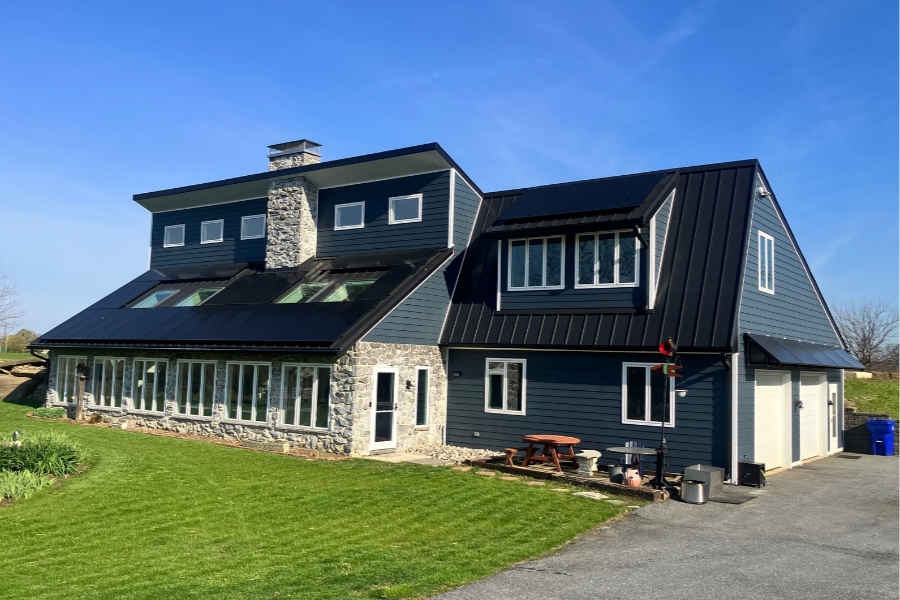
Building a truly sustainable home requires more than just adding solar panels or energy-saving appliances. The foundation of a net-zero house lies in the careful selection of energy efficient materials that minimize energy loss and maximize comfort. As the demand for eco-friendly living grows, homeowners and builders are turning to advanced products and construction methods that support net-zero energy goals.
Choosing the right materials can dramatically reduce heating and cooling needs, improve indoor air quality, and lower utility bills. This article explores the top material choices for net-zero construction, why they matter, and how they contribute to a home’s overall performance. If you’re interested in how airtightness fits into this equation, you can learn more in our guide on airtight building net-zero construction.
Why Material Choice Matters in Sustainable Home Design
Every component of a house, from the foundation to the roof, plays a role in its energy performance. Selecting energy efficient materials for net-zero homes ensures that the building envelope is well-insulated, airtight, and able to regulate temperature with minimal energy input. This approach goes beyond aesthetics or durability—it’s about creating a living space that works with the environment instead of against it.
Key benefits of using advanced materials include:
- Reduced energy consumption for heating and cooling
- Lower long-term maintenance costs
- Improved indoor comfort and air quality
- Smaller carbon footprint over the building’s lifetime
For a deeper dive into how these materials contribute to overall efficiency, see our article on energy efficiency in net-zero homes.
Top Insulation Options for Net-Zero Construction
Insulation is one of the most critical elements in any energy-saving strategy. The right insulation keeps heat in during winter and out during summer, reducing the need for mechanical heating and cooling. Here are some of the most effective insulation materials used in net-zero projects:
- Spray Foam Insulation: Offers superior air sealing and high R-values, making it ideal for walls, roofs, and hard-to-reach areas.
- Mineral Wool: Made from natural or recycled stone, mineral wool is fire-resistant, soundproof, and provides excellent thermal performance.
- Cellulose Insulation: Produced from recycled paper, cellulose is eco-friendly and effective for dense-pack wall cavities.
- Structural Insulated Panels (SIPs): These panels combine insulation and structural support, speeding up construction and improving airtightness.
High-Performance Windows and Glazing
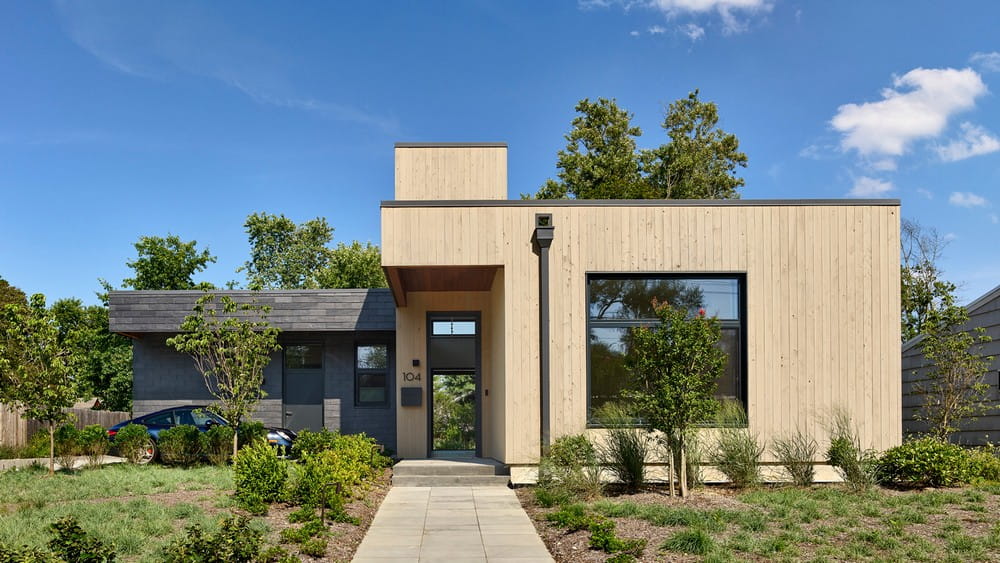
Windows are often the weakest point in a building’s thermal envelope. Upgrading to high-performance windows is essential for net-zero construction. Look for:
- Triple-Glazed Windows: These offer better insulation than double glazing, reducing heat loss and condensation.
- Low-E Coatings: Special coatings reflect infrared energy, keeping interiors warmer in winter and cooler in summer.
- Insulated Frames: Materials like fiberglass or uPVC reduce thermal bridging and improve overall efficiency.
Proper window placement and shading are equally important. South-facing windows can capture passive solar heat, while overhangs and shades prevent overheating in summer.
Advanced Wall Systems and Building Envelopes
The walls of a net-zero house must do more than just provide structure—they must also resist air and moisture infiltration. Some of the most effective wall systems include:
- Insulated Concrete Forms (ICFs): These forms combine concrete’s strength with continuous insulation, resulting in airtight, durable walls.
- Double-Stud Walls: By separating the structural and insulation layers, double-stud walls allow for thick, uninterrupted insulation and minimal thermal bridging.
- Continuous Exterior Insulation: Adding rigid foam or mineral wool boards to the outside of the frame reduces heat loss through studs and other framing members.
To understand how these systems work together to balance energy use, see our resource on net-zero energy balance explained.
Roofing and Air Barriers for Maximum Efficiency
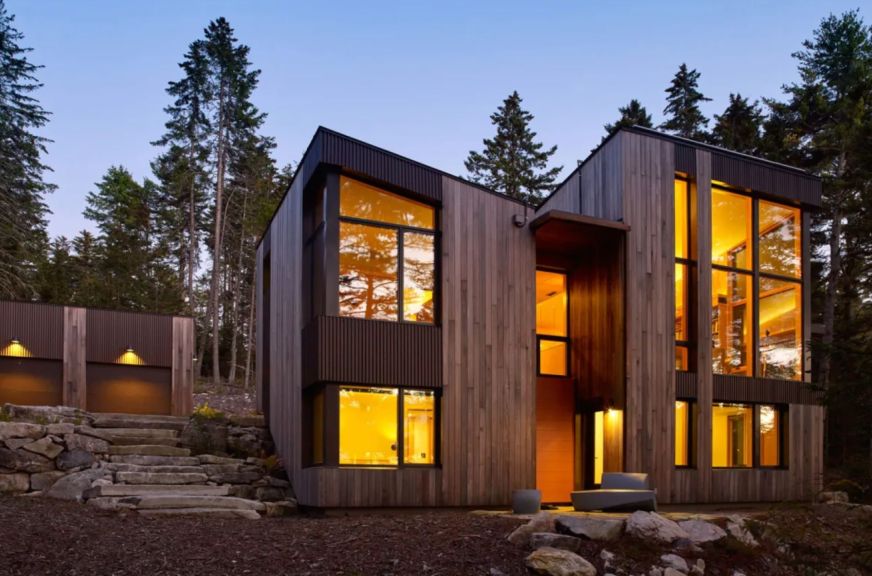
The roof is another critical area where energy can be lost or gained. For net-zero homes, consider these options:
- Cool Roofs: Materials with high solar reflectance and thermal emittance keep attics cooler and reduce air conditioning loads.
- Metal Roofing: Durable, recyclable, and often compatible with solar panels, metal roofs can be paired with additional insulation for optimal performance.
- Integrated Air Barriers: Properly installed membranes and tapes prevent air leaks, which is essential for maintaining a controlled indoor environment.
For more on how renewable systems integrate with efficient building materials, see our overview on how net-zero homes produce energy.
Flooring, Foundations, and Other Key Components
While walls and roofs get much of the attention, floors and foundations also play a role in a home’s energy profile. Consider these material choices:
- Insulated Slabs: Adding rigid insulation beneath and around concrete slabs minimizes heat loss to the ground.
- Engineered Wood Products: These use less raw timber and are often more dimensionally stable than traditional lumber.
- Thermal Breaks: Using materials that interrupt the flow of heat between inside and outside surfaces helps eliminate cold spots and condensation issues.
Integrating Renewable Energy with Efficient Materials
Even the best materials need to work in harmony with renewable energy systems to achieve net-zero status. Solar panels, heat pumps, and energy recovery ventilators all perform better when paired with a well-insulated, airtight building envelope. For a step-by-step approach to sizing and installing solar, check out our solar panels for net-zero homes guide.
For inspiration and design ideas, you can also explore examples of net-zero energy home designs that showcase how advanced materials and smart systems come together.
FAQ: Common Questions About Energy Efficient Materials for Net-Zero Living
What are the most important materials for achieving net-zero energy?
The most critical materials include high-performance insulation (such as spray foam or mineral wool), triple-glazed windows, insulated concrete forms, and advanced air and vapor barriers. These elements work together to minimize heat transfer and air leakage, which are essential for reducing energy use.
How do energy efficient materials affect indoor air quality?
Many modern materials are designed to be low in volatile organic compounds (VOCs) and to resist mold and moisture. Properly installed air barriers and ventilation systems further improve indoor air quality by controlling humidity and filtering outdoor pollutants.
Is it more expensive to build with these materials?
While the upfront cost of advanced materials can be higher, the long-term savings on energy bills and maintenance often outweigh the initial investment. Additionally, many regions offer incentives or rebates for using certified energy efficient products in new construction or renovations.
By carefully selecting and integrating the right products, homeowners can create a comfortable, healthy, and truly sustainable living space that meets net-zero standards for years to come.
