
Understanding how to reach a net-zero energy balance is crucial for anyone interested in sustainable living, energy-efficient buildings, or reducing their carbon footprint. This concept is at the heart of modern green construction and energy management, representing a future where homes and buildings produce as much energy as they consume over the course of a year. In this article, we’ll break down what net-zero energy balance means, how it’s achieved, and why it matters for homeowners, builders, and the environment.
Whether you’re planning a new build, retrofitting an existing property, or simply curious about the science behind energy-neutral living, this guide will provide a clear and practical overview. We’ll also highlight related topics such as battery storage for net-zero homes explained to help you understand the broader ecosystem supporting total energy equilibrium.
What Does Net-Zero Energy Balance Mean?
At its core, a net-zero energy balance means that a building or home produces enough renewable energy to offset its total annual energy consumption. This doesn’t mean the property is always energy independent every hour of the day, but rather that, over the course of a year, the energy generated equals the energy used. The goal is to reach total equilibrium, where the net energy imported from the grid is zero.
Key elements of this concept include:
- Energy Efficiency: Minimizing energy demand through insulation, efficient appliances, and smart design.
- Onsite Renewable Generation: Producing clean energy, typically via solar panels or wind turbines.
- Energy Management: Using technology and storage solutions to balance production and consumption.
For a deeper look at the financial aspects, see this guide on budget planning net-zero home construction.
How Buildings Achieve Total Energy Equilibrium
Reaching a state where energy use and production are balanced requires a holistic approach. Here’s how it’s typically accomplished:
1. Maximizing Energy Efficiency
The first step is to reduce the building’s energy needs as much as possible. This involves:
- High-performance insulation and airtight construction
- Energy-efficient windows and doors
- LED lighting and ENERGY STAR-rated appliances
- Smart thermostats and advanced HVAC systems
By minimizing demand, the amount of renewable energy required to reach equilibrium is significantly reduced.
2. Generating Renewable Energy Onsite
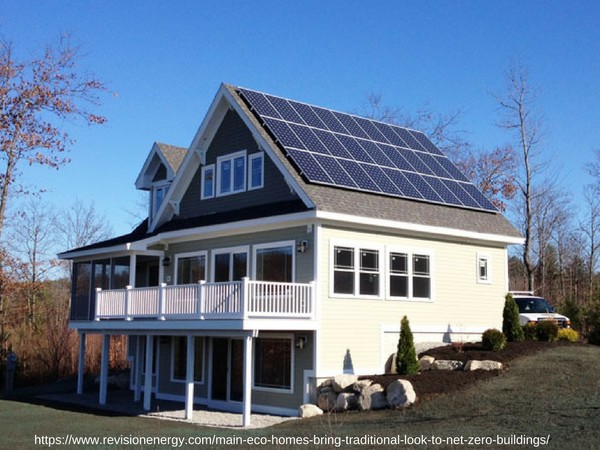
Once efficiency is maximized, the next step is to install systems that generate clean energy. Solar photovoltaic (PV) panels are the most common solution, but small wind turbines or geothermal systems may also be used depending on location and site conditions.
For guidance on choosing and sizing solar systems, check out the solar panels for net-zero homes guide.
3. Managing Energy Flows and Storage
Because renewable energy production can fluctuate (for example, solar panels don’t generate power at night), energy storage and smart management are essential. Battery systems store excess energy for later use, and advanced monitoring tools help optimize when and how energy is used.
Integrating long term savings net-zero homes strategies can further enhance the economic and practical benefits of these systems.
Benefits of Achieving a Net-Zero Energy Balance
There are several compelling reasons to pursue total energy equilibrium in buildings:
- Lower Utility Bills: By generating as much energy as you use, you can dramatically reduce or even eliminate monthly energy costs.
- Environmental Impact: Reducing reliance on fossil fuels helps lower greenhouse gas emissions and supports a cleaner planet.
- Energy Independence: With onsite generation and storage, homeowners are less vulnerable to grid outages and price fluctuations.
- Increased Property Value: Net-zero homes are often valued higher due to their efficiency and future-proof design.
For a detailed analysis of the financial return, see return on investment net-zero homes.
Key Components of a Net-Zero Building
To reach a balanced energy profile, several elements must work together:
- Building Envelope: The structure’s insulation, windows, and air sealing must be optimized to minimize energy loss.
- Efficient Systems: Heating, cooling, and ventilation systems should use the least energy possible while maintaining comfort.
- Renewable Generation: Solar panels, wind turbines, or geothermal systems provide clean power onsite.
- Energy Storage: Batteries and thermal storage help balance supply and demand throughout the day and year.
- Monitoring and Controls: Smart meters and energy management systems track usage and optimize performance.
Challenges and Considerations
While the benefits are significant, there are also challenges to achieving a balanced energy profile:
- Upfront Costs: High-performance materials and renewable systems require investment, though costs are declining.
- Site Limitations: Not all properties are suitable for solar or wind generation due to shading, orientation, or zoning.
- Behavioral Factors: Occupant habits can impact energy use, so education and engagement are important.
- Maintenance: Renewable energy systems and batteries require periodic upkeep to maintain performance.
Despite these hurdles, advances in technology and growing policy support are making it easier for more people to pursue energy-neutral living.
Net-Zero Energy in the Broader Context
The movement toward balanced energy use is part of a larger shift in how we design, build, and operate buildings. Governments and organizations around the world are setting ambitious targets for carbon reduction and energy efficiency. For example, many new building codes now encourage or require net-zero-ready construction.
If you want to learn more about the principles and definitions, this overview of net-zero buildings provides additional background and context.
Frequently Asked Questions
What is the difference between net-zero energy and zero energy?
Both terms are often used interchangeably, but “net-zero energy” typically refers to the balance over a year—meaning the building may use grid power at times but offsets it with onsite generation. “Zero energy” sometimes implies no grid connection at all, which is rare in practice.
Can existing homes achieve a balanced energy profile?
Yes, with the right upgrades. Retrofitting insulation, replacing windows, installing efficient systems, and adding solar panels can bring many existing homes close to equilibrium, though it may be more challenging than starting from scratch.
How do batteries help in reaching net-zero?
Batteries store excess renewable energy produced during the day for use at night or during cloudy periods. This helps maintain a steady supply and reduces reliance on the grid, making it easier to balance annual energy flows.
Is it worth the investment?
For many homeowners, the long-term savings, increased property value, and environmental benefits make the investment worthwhile. Financial incentives and falling technology costs are making it more accessible each year.
Conclusion
Reaching a net-zero energy balance is an achievable goal for many homeowners and builders, thanks to advances in efficiency, renewable generation, and smart energy management. By understanding the principles and taking a strategic approach, it’s possible to create buildings that are comfortable, cost-effective, and environmentally responsible. As the world moves toward more sustainable living, embracing these practices will play a key role in shaping a cleaner, more resilient future.
