
The concept of net-zero homes has gained significant traction in recent years, driven by rising energy costs, climate concerns, and a growing demand for sustainable living. While the environmental benefits are clear, many homeowners and builders are left wondering about the return on investment net-zero homes can offer. Does the upfront expense pay off in the long run, or is it simply a premium for eco-conscious living?
This article explores the financial implications, payback periods, and value considerations of building or upgrading to a net-zero home. We’ll look at what factors influence the economic outcome, how to evaluate costs versus savings, and what the latest data suggests about long-term returns. If you’re considering a sustainable home, understanding the real-world financial picture is essential.
For those interested in the financial side of sustainable construction, it’s helpful to review detailed guides such as budget planning net-zero home construction to get a sense of the budgeting process and potential cost breakdowns.
Understanding the Financials of Net-Zero Homes
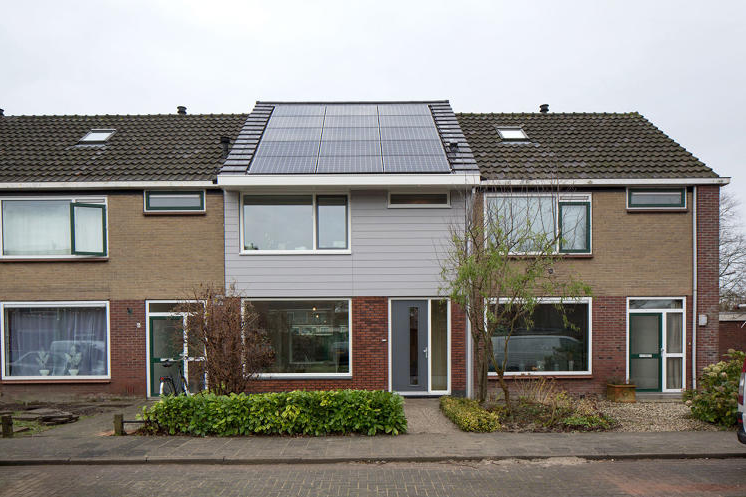
Net-zero homes are designed to produce as much energy as they consume over the course of a year, typically through a combination of high-efficiency building envelopes, advanced insulation, energy-efficient appliances, and renewable energy systems like solar panels. The result is a dramatic reduction in utility bills and a much smaller carbon footprint.
However, achieving net-zero status often requires a higher initial investment compared to conventional construction. The key question is whether the savings on energy bills and potential increases in property value will outweigh these extra costs over time.
Key Factors Affecting Return on Investment for Sustainable Homes
The return on investment net-zero homes deliver depends on several variables. Here are the most important factors to consider:
- Upfront Construction Costs: Building a net-zero home can cost 5–15% more than a standard home, depending on location, design, and technology choices. For a detailed breakdown, see net-zero home construction cost breakdown.
- Energy Savings: The primary financial benefit comes from drastically reduced or eliminated energy bills. Over 20–30 years, these savings can be substantial.
- Incentives and Rebates: Federal, state, and local incentives can offset a significant portion of the upfront costs, improving payback periods.
- Resale Value: Studies suggest that energy-efficient homes often sell for a premium, as buyers increasingly value sustainability and lower operating costs.
- Maintenance and Durability: Many net-zero features, such as high-quality insulation and windows, also reduce maintenance needs and improve comfort.
Calculating Payback Periods and Long-Term Value
One of the most common ways to assess the financial viability of a net-zero home is to calculate the payback period—the time it takes for energy savings to cover the additional upfront investment. This period can vary widely based on location, energy prices, and the size of the home.
For example, if a net-zero upgrade costs $40,000 more than standard construction but saves $2,500 per year in energy costs, the simple payback period would be 16 years. However, this calculation does not account for rising energy prices, potential tax credits, or increased resale value, all of which can shorten the payback window.
It’s also important to consider the total cost of ownership. Over a 30-year mortgage, the cumulative savings from lower utility bills can far exceed the initial premium, especially as energy prices rise. Additionally, net-zero homes tend to be more comfortable, quieter, and healthier, which adds intangible value for many homeowners.
Comparing Net-Zero and Conventional Homes
When weighing the return on investment net-zero homes offer versus traditional properties, it’s helpful to look at both direct and indirect benefits:
- Lower Operating Costs: Net-zero homes can reduce or eliminate monthly energy bills, providing predictable long-term savings.
- Market Demand: As awareness of climate change grows, more buyers are seeking energy-efficient homes, which can boost resale value.
- Resilience: Homes that generate their own power are less vulnerable to utility rate hikes and grid outages.
- Environmental Impact: Reducing carbon emissions not only benefits the planet but may also become a regulatory requirement in the future.
For a closer look at pricing and what to expect, see how much does a net-zero home cost for up-to-date figures and market trends.
Financial Tools and Incentives to Improve ROI
Several programs and financial tools can help homeowners maximize the return on their investment in net-zero construction:
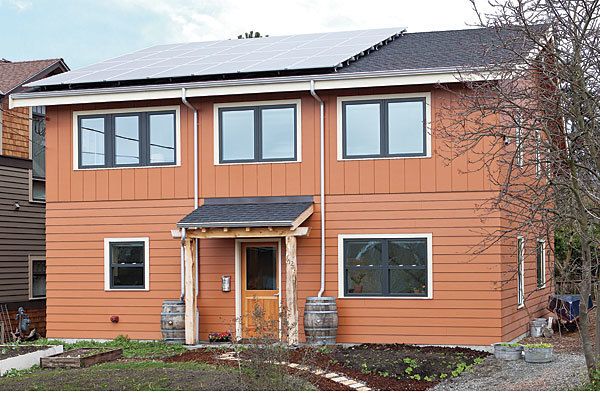
- Tax Credits and Rebates: Many governments offer incentives for solar panels, energy-efficient appliances, and high-performance building materials.
- Green Mortgages: Some lenders provide better terms or higher borrowing limits for energy-efficient homes, recognizing the lower operating costs.
- Performance Monitoring: Using smart energy monitors and thermal imaging cameras can help track savings and identify further efficiency opportunities.
For a deeper dive into how these incentives work and what you might qualify for, resources like this overview of net-zero building incentives and strategies provide valuable insights.
Is a Net-Zero Home Worth the Investment?
Ultimately, the decision to pursue a net-zero home is both financial and personal. While the upfront costs are higher, the long-term savings, increased property value, and environmental benefits can make the investment worthwhile for many homeowners. The payback period is shrinking as technology improves and incentives expand, making net-zero construction more accessible than ever.
For those on a tight budget, there are also strategies to reduce costs without sacrificing performance. See affordable net-zero home building tips for practical advice on saving during construction and maximizing efficiency.
Frequently Asked Questions
How long does it take to recoup the extra cost of a net-zero home?
The payback period typically ranges from 10 to 20 years, depending on energy prices, available incentives, and the size of the home. Factoring in rising utility costs and potential resale premiums, many homeowners see positive returns within the first decade or two.
Do net-zero homes have higher resale value?
Yes, studies show that energy-efficient homes often sell faster and for more money than comparable conventional homes. Buyers are increasingly seeking properties with lower operating costs and sustainable features, which can boost market value.
Are there financing options specifically for net-zero homes?
Some lenders offer green mortgages or energy-efficient home loans, which may provide better rates or higher borrowing limits. These products recognize the reduced risk and lower utility expenses associated with high-performance homes.
What are the main challenges in achieving a good return on investment?
The biggest challenges are the initial cost premium, local climate and energy prices, and the availability of incentives. Careful planning, smart product choices, and taking advantage of all available rebates can help maximize returns.
