
Interest in net-zero homes is growing rapidly as homeowners look for ways to reduce energy bills and environmental impact. But one of the first questions people ask is: how much does a net-zero home cost? The answer depends on a range of factors, from location and design to the specific technologies used. This guide breaks down the main cost drivers, what you can expect at different budget levels, and how to plan for a successful project.
Before diving into the details, it’s helpful to understand what makes a home “net-zero.” A net-zero home is designed and built to produce as much energy as it consumes over the course of a year, typically through a combination of high-efficiency construction and on-site renewable energy generation. For a deeper dive into the basics, see this comprehensive explanation of net-zero buildings.
Budgeting for a net-zero build can feel overwhelming, but there are resources to help. If you’re looking for strategies to keep costs down, check out these affordable net-zero home building tips for practical advice on saving during construction.
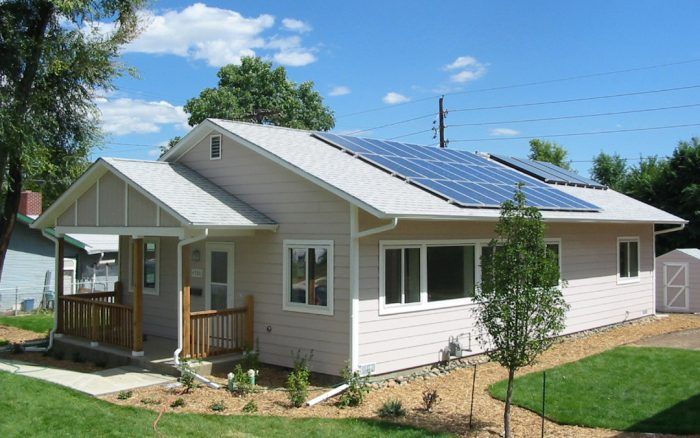
Understanding the Investment: What Goes Into Net-Zero Home Pricing
When considering how much does a net-zero home cost, it’s important to look beyond the sticker price. The total investment includes not only construction but also design, energy systems, and long-term savings. Here are the primary components that influence the final price:
- Design and Planning: Custom architectural work, energy modeling, and engineering can add to upfront costs but are crucial for performance.
- Building Envelope: Superior insulation, airtight construction, and high-performance windows and doors are essential for minimizing energy loss.
- Mechanical Systems: High-efficiency HVAC, heat pumps, and energy recovery ventilators are standard in net-zero designs.
- Renewable Energy: Solar photovoltaic (PV) panels are the most common choice for on-site generation, but some homes use geothermal or wind.
- Smart Controls: Energy monitoring and automation can help optimize usage and identify savings opportunities.
Each of these elements impacts the overall cost, but they also contribute to lower utility bills and increased comfort over the life of the home.
Typical Price Range for Net-Zero Homes
The price for a net-zero home varies widely based on size, location, and level of finish. In North America, the average additional cost for net-zero construction compared to a conventional new build is typically 10% to 20% higher. However, this premium is shrinking as technologies become more mainstream and builders gain experience.
As of 2024, here’s a rough breakdown of what you might expect:
| Home Size | Conventional Build | Net-Zero Build | Net-Zero Premium |
|---|---|---|---|
| 1,500 sq ft | $300,000 | $330,000–$360,000 | $30,000–$60,000 |
| 2,500 sq ft | $500,000 | $550,000–$600,000 | $50,000–$100,000 |
These figures are only estimates. The actual price can be higher or lower depending on local labor rates, material choices, and the complexity of the design. For a more detailed breakdown, see this guide on the cost of net-zero home construction.
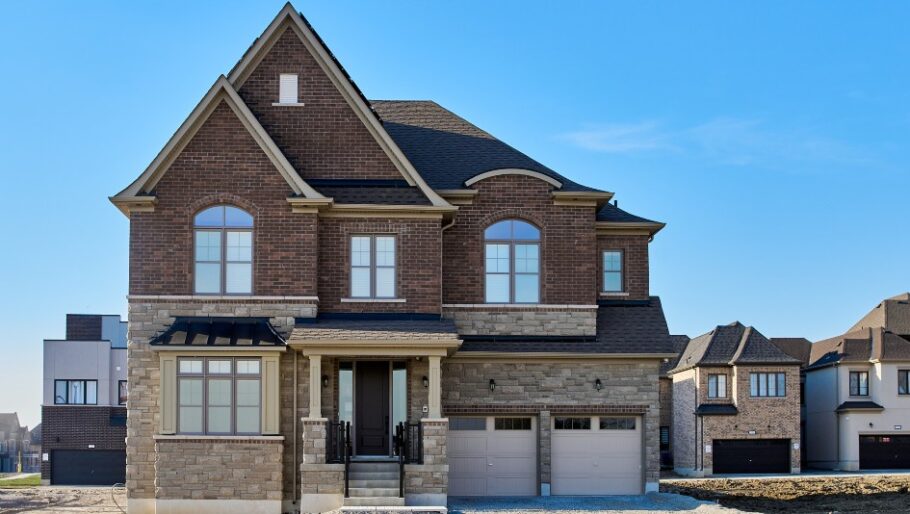
Key Factors That Influence Net-Zero Home Costs
Several variables can affect the final price tag of a net-zero residence. Understanding these factors can help you make informed decisions and manage your budget effectively:
- Location: Labor costs, climate, and local building codes all play a role. Colder climates may require more insulation and larger solar arrays.
- Size and Layout: Compact, simple designs are generally more cost-effective than large or complex homes.
- Material Choices: High-performance materials often cost more upfront but deliver savings over time.
- Builder Experience: Contractors familiar with net-zero practices can often deliver better value and avoid costly mistakes.
- Renewable Energy Incentives: Rebates, tax credits, and grants can offset a significant portion of the initial investment. For a closer look at available programs, review these net-zero home financing options explained.
Long-Term Savings and Payback Period
While the upfront cost of a net-zero home is typically higher, the long-term savings can be substantial. Homeowners benefit from:
- Zero or near-zero utility bills
- Protection from rising energy prices
- Potential for increased resale value
- Improved indoor air quality and comfort
The payback period for the extra investment in net-zero features often ranges from 7 to 15 years, depending on energy prices and available incentives. After that, the ongoing savings continue to add up, making the initial premium a smart investment for many families.
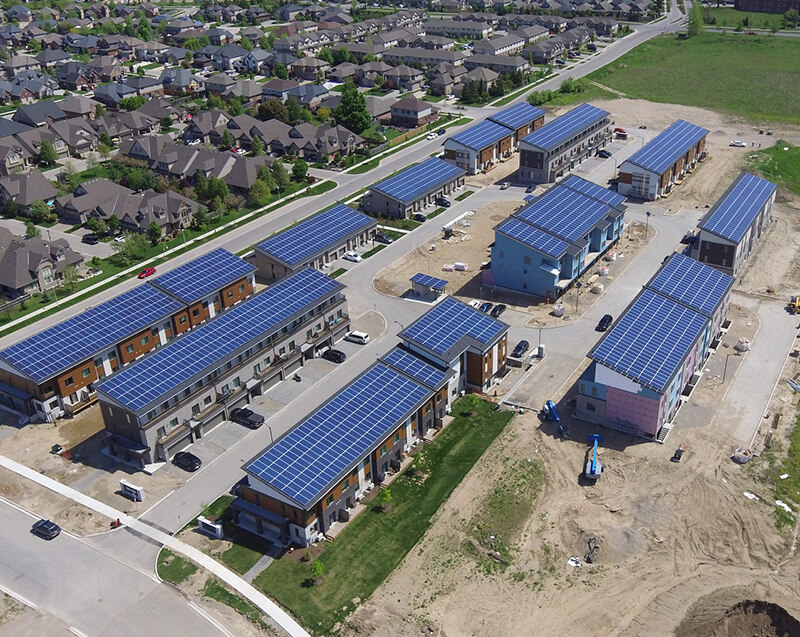
How to Budget for a Net-Zero Home
Planning and budgeting are essential for a successful net-zero project. Here are some steps to help you get started:
- Set Priorities: Decide which features are most important—energy performance, indoor air quality, renewable energy, or design aesthetics.
- Work with Experts: Engage architects and builders with a proven track record in net-zero construction.
- Request Detailed Estimates: Ask for itemized quotes that break down costs for the building envelope, mechanical systems, and renewable energy.
- Explore Incentives: Research local, state, and federal programs that can help offset costs.
- Plan for the Future: Consider designing your home to allow for future upgrades, such as adding more solar panels or battery storage.
For more on why this investment is worthwhile, read about the benefits of net-zero home construction and how it can impact your family’s health and finances.
Comparing Net-Zero and Energy-Efficient Homes
It’s important to distinguish between net-zero and energy-efficient homes. While both aim to reduce energy use, only net-zero homes are designed to fully offset their consumption with on-site generation. For a detailed comparison, see net-zero home vs energy efficient home to understand the differences in cost, design, and long-term value.
Frequently Asked Questions
Is it more expensive to retrofit an existing home to net-zero?
Retrofitting an existing home to net-zero standards is often more expensive per square foot than building new, due to the challenges of upgrading insulation, windows, and mechanical systems. However, it is possible, and incentives may be available to help offset costs.
How long does it take to recoup the extra investment in a net-zero home?
The payback period varies, but most homeowners see a return on their investment within 7 to 15 years through energy savings and incentives. After that, the savings continue to accumulate.
Are there financing options for net-zero construction?
Yes, many lenders offer green mortgages and energy-efficient financing products. Additionally, government incentives, rebates, and grants can help reduce the upfront cost. For more details, explore net-zero home financing options explained.
Do net-zero homes require special maintenance?
Maintenance needs are similar to conventional homes, but it’s important to schedule regular checks for HVAC systems, solar panels, and energy monitoring equipment to ensure optimal performance.
Understanding how much does a net-zero home cost is the first step toward building a sustainable, energy-independent future. With careful planning and the right team, a net-zero home can be a smart investment that pays dividends for years to come.
