
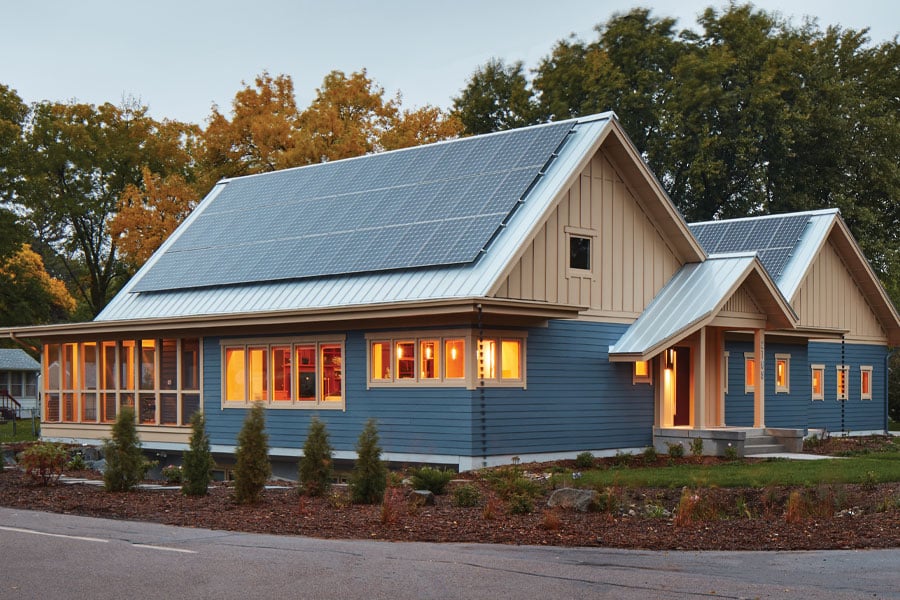
Transitioning to a net-zero home is an ambitious goal that requires careful planning, especially when it comes to choosing and installing solar panels. Achieving net-zero energy means your home produces as much energy as it consumes over the course of a year. This solar panels for net-zero homes guide provides a practical overview of how to size your solar array, what to expect during installation, and how to maximize your investment in renewable energy.
Whether you are building a new house or retrofitting an existing one, understanding the steps involved in solar panel sizing and installation is crucial. Along the way, you’ll learn about energy usage, system design, and the key factors that influence both cost and performance. For a deeper dive into the financial side, you can explore the net-zero home cost vs traditional home comparison to see how these projects stack up over time.
Understanding Net-Zero Energy and Solar Power
Net-zero homes are designed to balance energy consumption with renewable energy production. The most common way to achieve this balance is through solar photovoltaic (PV) systems. These systems convert sunlight into electricity, offsetting the power your home draws from the grid.
Before diving into the specifics of sizing and installing solar panels, it’s helpful to understand what makes a home net-zero. The basics of net-zero housing highlight the importance of energy efficiency, airtight construction, and renewable energy generation. Solar panels are a cornerstone of this approach, providing clean power that directly reduces your reliance on fossil fuels.
Calculating Your Home’s Energy Needs
The first step in any solar panel sizing guide for net-zero homes is to determine how much electricity your household uses annually. This is usually measured in kilowatt-hours (kWh). You can find this information on your utility bills or by using an energy monitor. Tools like the Emporia Vue 3 can help you track your real-time energy usage and identify opportunities for efficiency improvements.
- Review past utility bills: Look at 12 months of electricity usage to get a clear picture of your annual consumption.
- Account for future changes: Consider any planned upgrades, such as electric vehicles or heat pumps, which may increase your energy needs.
- Improve efficiency first: The less energy your home uses, the smaller (and less expensive) your solar array will need to be.
Once you know your annual kWh usage, you can begin to estimate the size of the solar system required to offset it.
How to Size Solar Panels for a Net-Zero Home
Proper sizing ensures your solar system generates enough electricity to match your home’s consumption. Here’s a step-by-step approach:
- Calculate daily energy use: Divide your annual kWh by 365 to get your average daily usage.
- Estimate average sun hours: Research the average number of full sun hours per day in your location. This varies by region and season.
- Determine system size: Use the formula:
System Size (kW) = Daily kWh Use / Average Sun Hours - Factor in system losses: Multiply the result by 1.15–1.25 to account for inefficiencies (shading, inverter losses, etc.).
For example, if your home uses 10,000 kWh per year (about 27.4 kWh per day) and you get 4.5 sun hours per day, you’d need roughly a 7 kW system before accounting for losses. After adjusting for inefficiencies, you might size up to 8–9 kW.
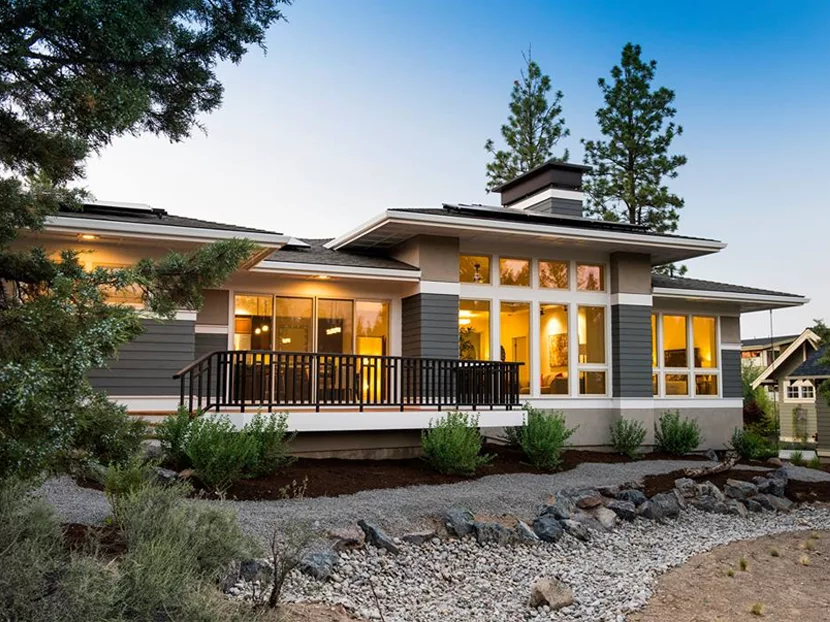
Key Considerations for Solar Panel Installation
Once you’ve determined the appropriate system size, it’s time to plan the installation. Here are some important factors to keep in mind:
- Roof orientation and tilt: South-facing roofs with a tilt angle close to your latitude are ideal for maximum solar production.
- Shading: Trees, chimneys, or nearby buildings can reduce output. A site assessment or a thermal imaging camera can help identify problem areas.
- Roof condition: Ensure your roof is in good shape before installing panels, as they typically last 25–30 years.
- Local regulations: Check for permits, homeowner association rules, and utility interconnection requirements.
- Inverter choice: Decide between string inverters, microinverters, or power optimizers based on your site’s shading and layout.
Professional installers will handle most of these details, but being informed helps you make better decisions and avoid unexpected costs. For more on the financial planning aspect, see the budget planning net-zero home construction resource.
Integrating Solar with Other Net-Zero Strategies
Solar panels are just one part of a holistic approach to net-zero living. To get the most from your investment, pair your PV system with:
- High-performance insulation and windows to minimize heat loss
- Efficient HVAC systems such as heat pumps
- LED lighting and ENERGY STAR appliances
- Smart home energy management for real-time monitoring and optimization
Combining these strategies can reduce your required solar array size and help you reach true net-zero status. For a closer look at the long-term benefits, the long term savings net-zero homes article provides valuable insights.

Cost, Incentives, and Return on Investment
The upfront cost of solar panels can be significant, but incentives and long-term savings often make the investment worthwhile. Federal, state, and local programs may offer tax credits, rebates, or net metering, which allows you to sell excess power back to the grid.
When evaluating the financial side, consider:
- Installation costs: These vary by region, system size, and installer.
- Available incentives: Research current tax credits and rebates in your area.
- Energy bill savings: A well-sized system can eliminate most or all of your electricity costs.
- Payback period: Most homeowners see a return on investment within 7–12 years, depending on local rates and incentives.
For a detailed analysis of payback and value, the return on investment net-zero homes article breaks down the numbers and what to expect over time.
Common Pitfalls and How to Avoid Them
While solar panel installation is a proven path to net-zero, there are some common mistakes to watch out for:
- Underestimating future energy needs, especially if you plan to electrify heating or add an EV
- Ignoring shading or roof orientation, which can reduce output
- Skipping energy efficiency upgrades before sizing your system
- Not accounting for system losses and inverter efficiency
- Choosing the cheapest installer without checking credentials or reviews
Taking the time to plan, research, and consult with experienced professionals will help you avoid these issues and ensure your solar investment delivers the results you expect.
Frequently Asked Questions
How do I know if my roof is suitable for solar panels?
Most roofs can support solar panels, but the best candidates are south-facing with minimal shading and a tilt angle close to your latitude. A professional installer can assess your roof’s condition and recommend the optimal layout.
Can I go off-grid with solar panels alone?
While solar panels can offset your electricity usage, going completely off-grid typically requires battery storage and backup systems. Most net-zero homes remain connected to the grid for reliability and to take advantage of net metering.
What maintenance do solar panels require?
Solar panels are low-maintenance. Occasional cleaning and periodic inspections are usually sufficient. Inverters may need replacement after 10–15 years, but the panels themselves often last 25 years or more.
How do incentives affect the cost of solar for net-zero homes?
Incentives such as federal tax credits, state rebates, and net metering can significantly reduce the upfront cost and improve the payback period. Research available programs in your area to maximize your savings.
Conclusion
Achieving net-zero energy with solar panels is a practical and rewarding goal. By carefully calculating your energy needs, sizing your system appropriately, and integrating solar with other efficiency strategies, you can create a home that is both sustainable and cost-effective. Take advantage of available incentives, consult with reputable installers, and continue learning to ensure your project is a success.
